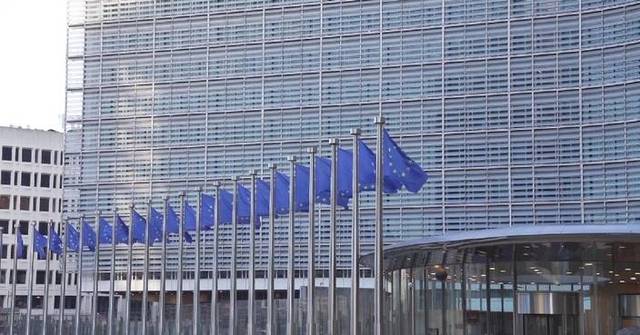
Ireland, set to assume the rotating presidency of the European Union on July 1, is expected to help shape a more sustainable trade framework between the EU and China, said Taoiseach Micheal Martin on Tuesday.
At the invitation of Chinese Premier Li Qiang, Martin visited China from Jan 4 to 8, making him the first European leader received by China in 2026. In addition to meetings in Beijing, he also traveled to Shanghai.
Against the backdrop of rising geopolitical competition, complex shifts in transatlantic relations, and short-term policymaking tendencies in some European capitals, Martin’s visit has drawn particular attention as a potential stabilizer in EU-China relations.
In an exclusive interview with China Media Group (CMG) during his visit, Martin emphasized competitiveness and dialogue when asked how his country intends to leverage its upcoming EU presidency to rebalance and guide the union’s policy approach toward China.
“I think fundamentally one of the key themes for Ireland’s presidency would be the competitiveness of the European Union, about what measures can we take to enhance the competitiveness of the European Union. And one area, which is ongoing and the commission is leading on this, is the simplification of regulation and that we need to ensure that investment can happen within Europe, but also that we can create a sustainable framework between Europe and China in terms of trading issues. Europe has issues, China has issues. We are both concerned with economic security, industrial resilience, self reliances, things are natural sort of concerns,” he said.
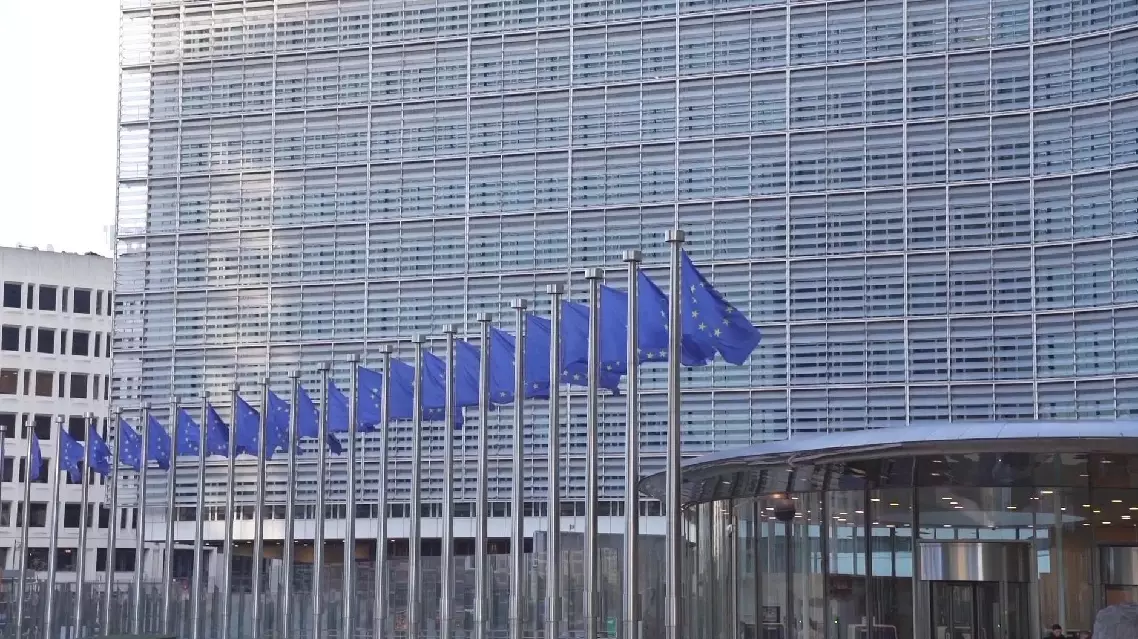
Ireland’s PM looks to steer EU-China relations toward sustainable trade framework
Italian political and social figures have strongly condemned the U.S. military intervention in Venezuela, in which the U.S. special forces kidnapped President Nicolas Maduro and his wife.
Critics argue that the United States, driven by its desire for Venezuela’s oil resources, has violated international law by forcibly interfering in the country’s internal affairs, an act that not only infringes on Venezuela’s national sovereignty but also threatens peace and stability in Latin America.
“A major power like the United States has repeatedly violated international law. This is not the first time, nor will it be the last. The U.S. action is extremely blatant, extremely shocking. We have become accustomed to it,” said Italian MP Riccardo Ricciardi.
“They (the United States) can kidnap, kill, invade, and plunder other countries’ resources. By what right? The right of the powerful? The right of gangsters? This is precisely the problem facing the world today. We must build a new international system — a system in which such actions are no longer permitted and will be held accounted to pay dearly,” said Pino Arlacchi, former UN under-secretary-general, who is also an Italian sociologist.
“The incident is an unprecedented international crime, an armed aggression against a sovereign state resulting in over 100 deaths. The forced control of a sitting head of state violates at least 30 international laws, including the UN Charter and other international customary laws,” said Fabio Marcelli, an Italian legal expert.
“Donald Trump’s objective is not to combat drug trafficking, which is only a pretext. The true U.S. objective is to gain control of Venezuela’s resources. The United States does not represent the entire American continent, nor is it the sole protagonist in the global landscape. Ultimately, it is U.S.-led unilateralism challenging multilateralism,” said Clara Statello, an Italian journalist.
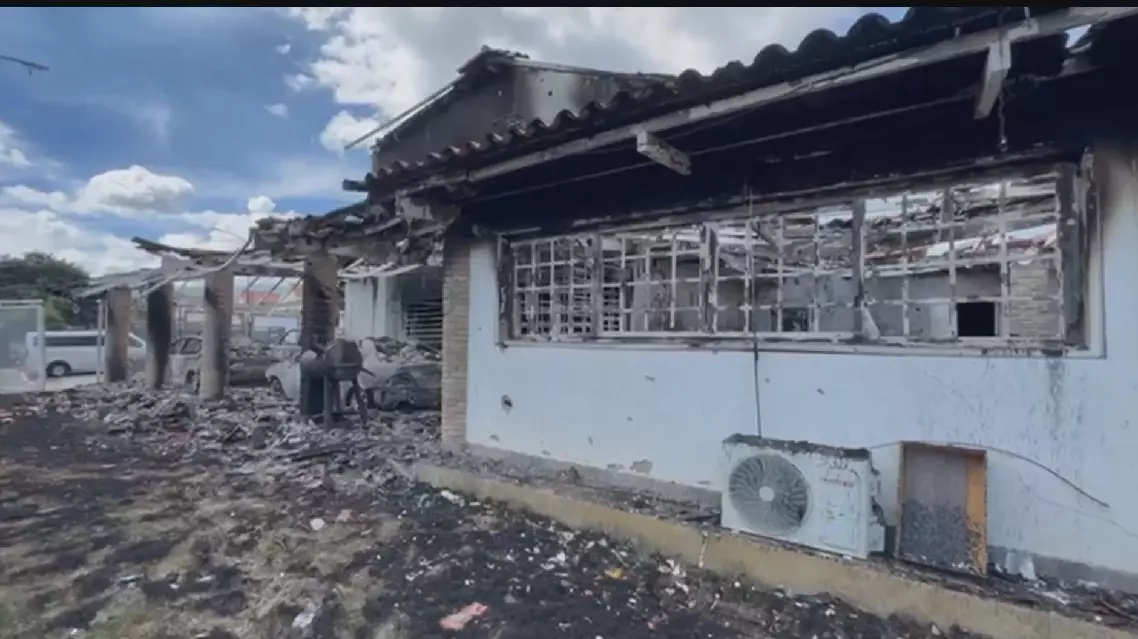
Italian figures condemn US intervention in Venezuela