The mass protests in Iran are the largest the country has seen in more than 15 years and threaten to topple the Islamic regime led by Ayatollah Ali Khamenei.
Demonstrations began in the bazaars of Tehran on December 28, fuelled by anger over economic hardship. They have now swollen into political unrest and protests involving hundreds of thousands of people across the country’s 31 provinces.
At least 51 people have been killed by regime security forces, according to the Norwegian-based group Iran Human Rights, but opposition figures suspect the true figure is higher.

Protesters gather at a roadblock in Tehran on Friday night
MIDDLE EAST IMAGES/AFP/GETTY IMAGES
It is not the first time Iran has experienced mass protests or predictions that they could bring down the regime. However, many believe this time is different, not least because the protesters span classes, generations and geography.
The latest unrest was sparked by the dire state of Iran’s economy. On December 28, the rial plunged to an all-time low against the dollar. Within hours, shopkeepers in Tehran’s bazaars, whose businesses have been affected by the currency devaluation, organised a strike and took to the streets. Over the following two weeks the protests spread from markets to universities, and impoverished towns in other provinces.
The economy has been under pressure for years because of US and European sanctions linked to the regime’s nuclear ambitions. The 12-day war with Israel and the US in June, in which nuclear facilities were destroyed, was also devastating for Iran’s economy. It was forced to spend billions of dollars on reconstruction and missed out on billions more in lost oil income.
Inflation has been particularly painful. The price of basic goods like cooking oil and chicken has spiked dramatically and some products have vanished from shelves.
In the early days of the turmoil, the head of Iran’s central bank stepped down and was replaced with a former minister for the economy. President Pezeshkian acknowledged what he called “legitimate” grievances and said the government would act quickly to address them.
He offered citizens direct cash handouts of almost $7 (£5) a month, but this has done little to quell the discontent.
On Thursday the regime imposed an internet and phone blackout, which many Iranians in exile fear will enable them to hurt and kill more protesters away from the world’s gaze.
This would fit with recent history: across the past three decades, the regime has typically met protests with brutal aggression. So how does this latest bout compare?
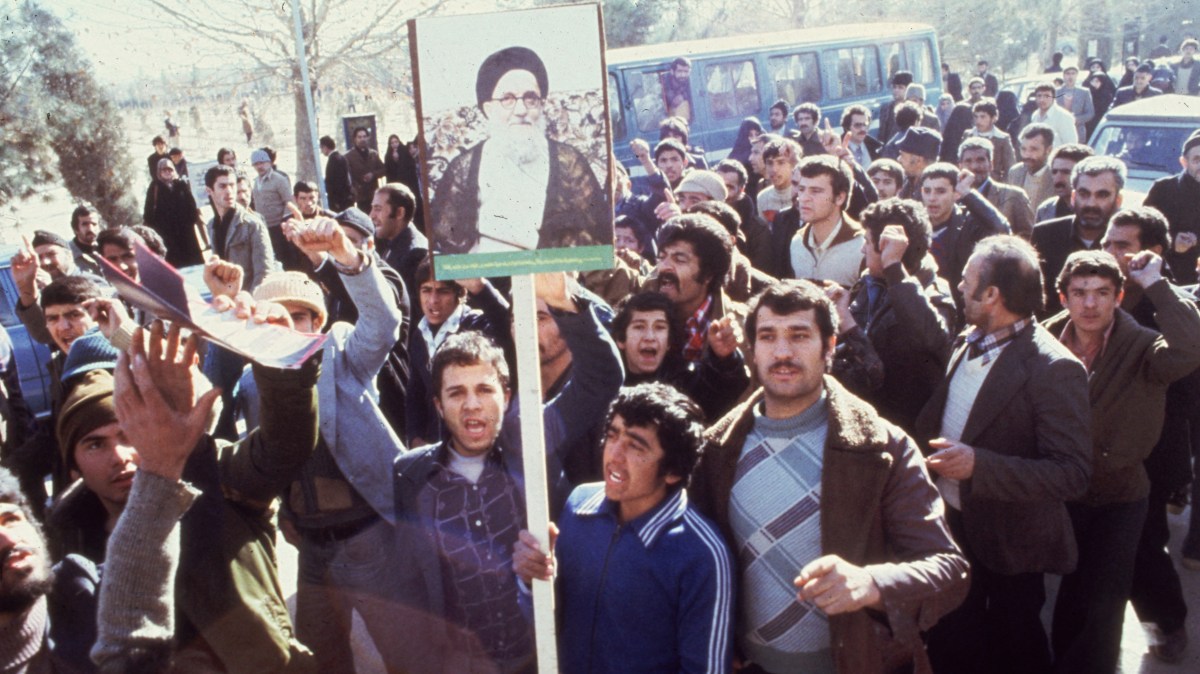
The Islamic Revolution, 1979

MICHEL SETBOUN/GAMMA-RAPHO/GETTY IMAGES
After decades of rule by the shahs, an uprising led by students and working-class citizens demanded political freedoms including elections. This led to the Iranian Revolution, which ushered in the reign of the ayatollahs, hardline Islamist clerics who have run the country ever since.
The regime claims that 60,000 martyrs were killed in the revolution, though historians believe this figure is significantly overstated. Later estimates suggest the toll is closer to 3,000.
Student protests, 1999
Tehran was rocked by massive student-led protests triggered by the closure of the Daily Saleem, a reformist newspaper, in July 1999. The demonstrations were stopped within six days. Students were killed and hundreds were imprisoned, but protests resurfaced around the 2003 anniversary of the initial movement.
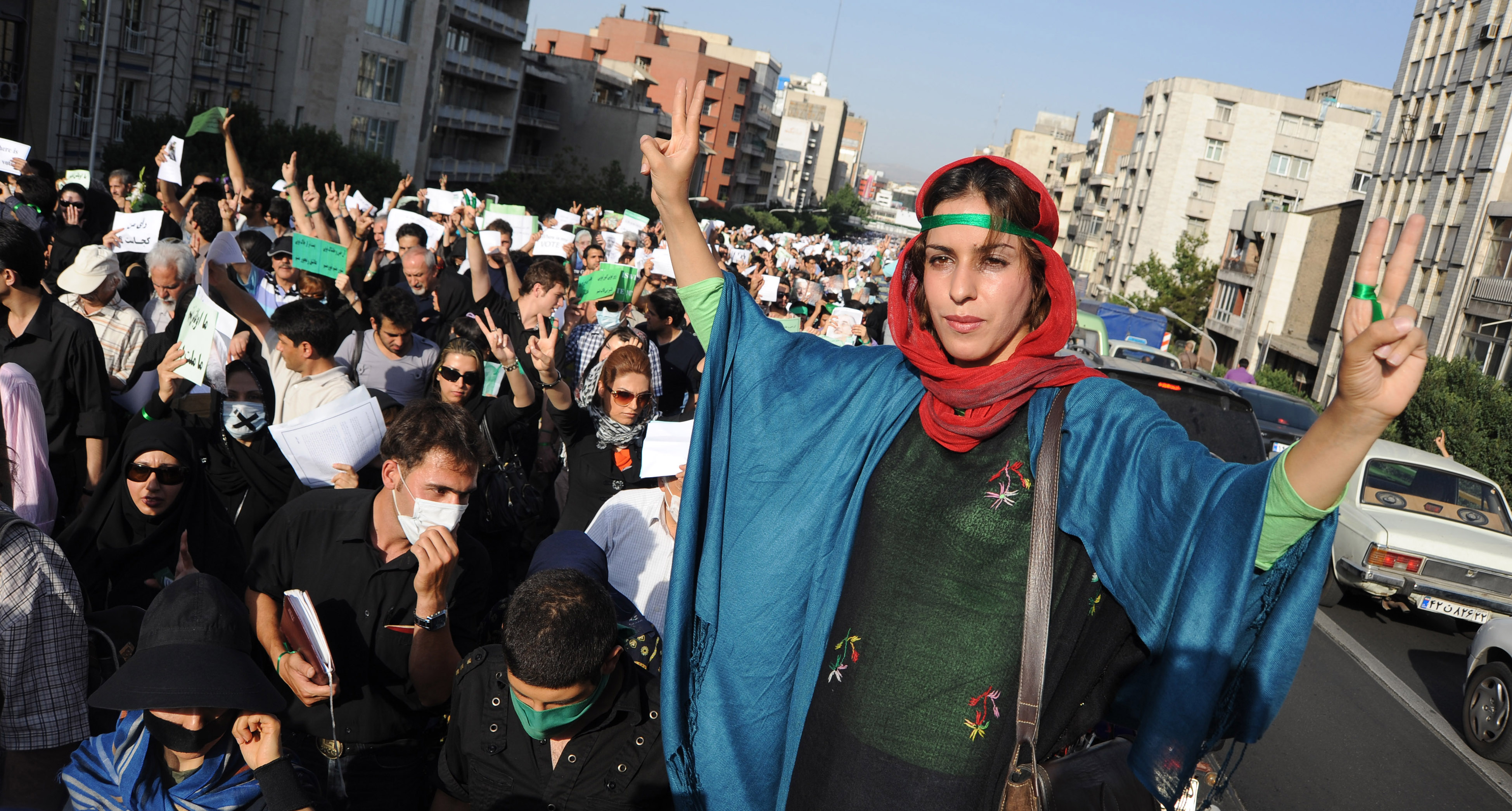
The green movement, 2009
KAVEH KAZEMI/GETTY IMAGES
Mass protests broke out in big cities following the 2009 presidential election, which was widely seen as having been manipulated. Estimates suggest as many as three million demonstrators took to the streets but they were brutally suppressed; thousands were arrested and at least 15 people were killed by security forces. The current protests are thought to be the biggest since 2009.
Bloody November, 2019
A decade later, Iran saw nationwide unrest in response to an almost 200 per cent increase in fuel prices. Now known as Bloody November, it started peacefully but became the most violent anti-government movement since the Islamic Revolution. About 7,000 people were arrested and 1,500 were killed.
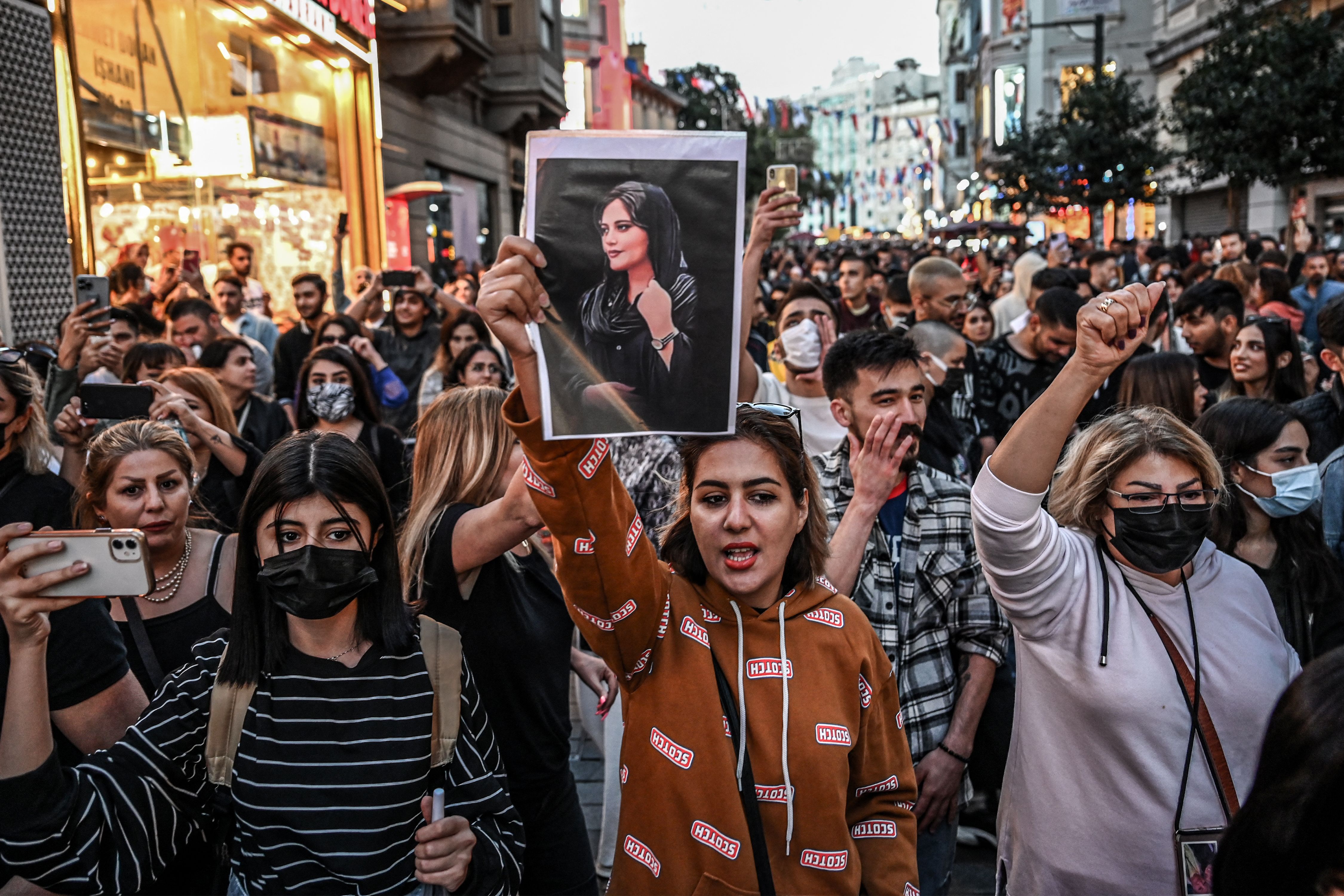
Mahsa Amini protests, 2022
OZAN KOSE/AFP/GETTY IMAGES
September 2022 saw the next wave of mass protests, following the death of Mahsa Amini, a 22-year-old woman who was beaten by Iran’s morality police for “improperly” wearing her hijab. Amini, whose beating was caught on a smartphone camera, died in hospital three days later of injuries sustained in the attack. Protests, led by the Women, Life, Freedom movement, continued into January 2023 and more than 500 demonstrators were killed.