Courts often look for an off-ramp in constitutional face-offs with the executive. The queries of the justices suggest a two-pronged approach. They could invoke the major questions doctrine and rule that the power to regulate is not a power to impose tariff. However, it may choose to not pull the plug, citing risks of an economic chaos and, instead, direct the administration to seek ratification by the Congress, shifting the onus on to legislators.
There are other off-ramps cited in case laws. The court could rule that the administration used the wrong law, yet uphold the tariffs relying on the Remand Without Vacatur doctrine, which allows the executive time for housekeeping. In this scenario, the USTR would pivot to an expedited investigation, reclassifying the tariffs under the security tag. Alternatively, the court could accept the president’s power to act in a crisis, but reject the permanency of tariffs specifying a sunset clause. Beyond that, the House and the Senate must bless the trade policy.
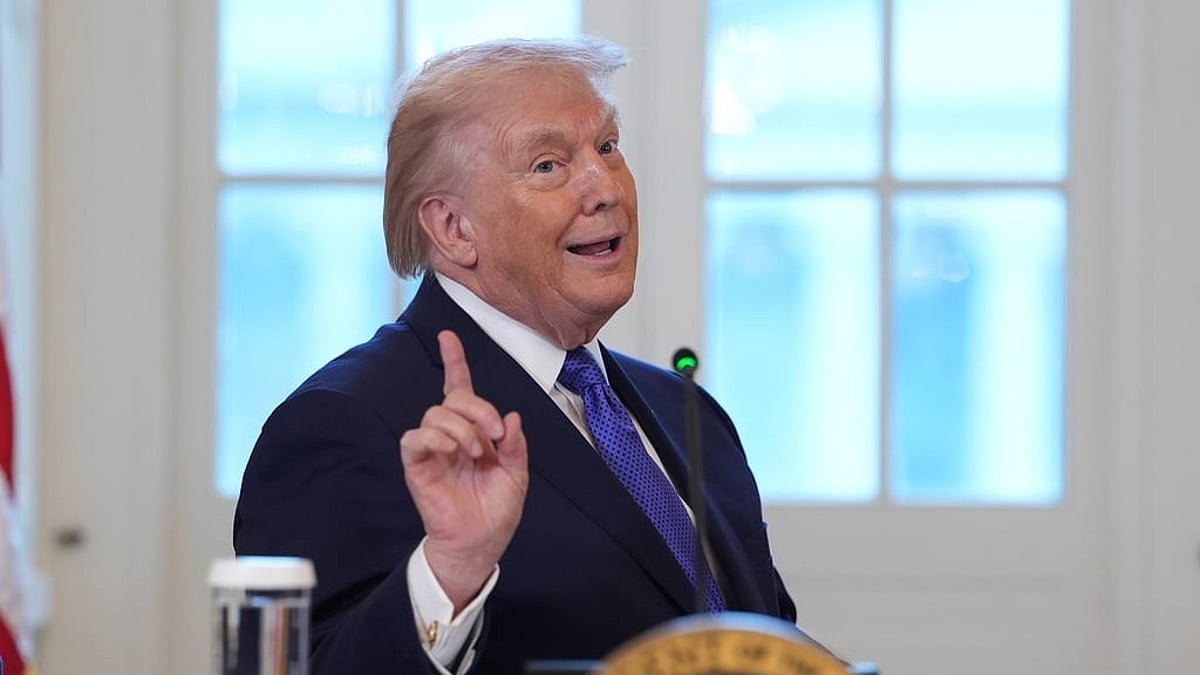
A day after the November 5 hearings in the Supreme Court, Trump hoped for a victory and, at the same time, acknowledged the need for a backup, stating, “We’ll have to develop a game two plan.” USTR Jamieson Greer is leading the Plan B track and timelines have been drawn out. The buzz is that pre-baked or pre-filed investigations are cued up, ready to roll. Team Trump is also examining the potential of United States Reciprocal Trade Act (HR 735), which explicitly authorises the president to negotiate and impose duties on imports, to be teed up just in case.
Dwight Eisenhower once said, “Plans are worthless, but planning is everything.” Trump is set to spin the roulette again to win. After all, the house never loses! The tariff saga is far from over.
Read all columns by Shankkar Aiyar
SHANKKAR AIYAR
Author of The Gated Republic, Aadhaar: A Biometric History of India’s 12 Digit Revolution, and Accidental India
(shankkar.aiyar@gmail.com)