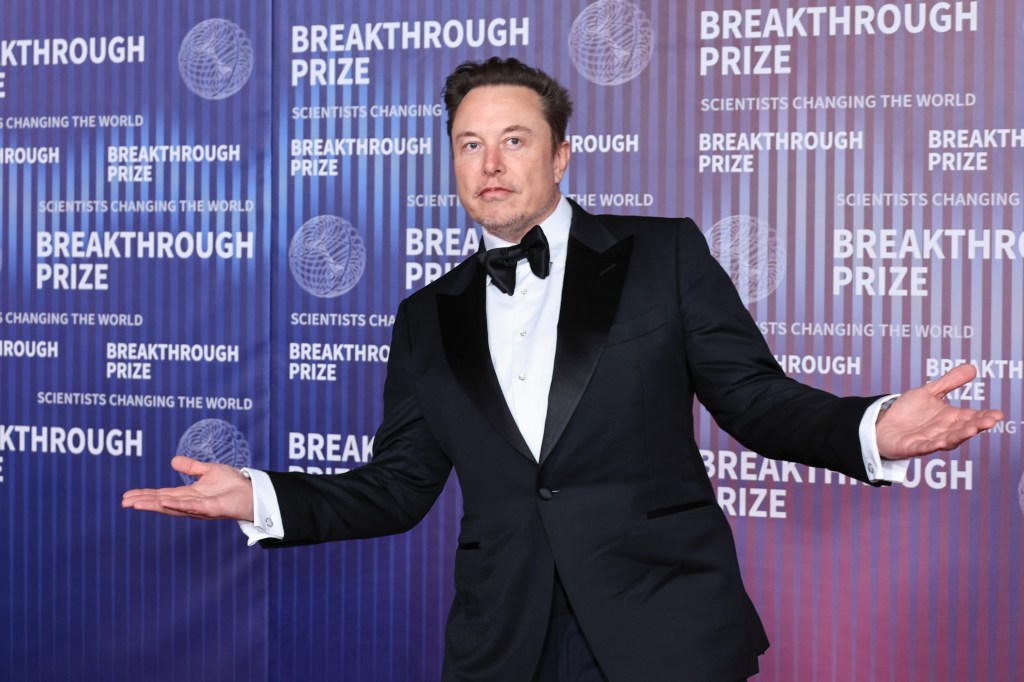
Ashley St. Clair — who has claimed to be the mother of Elon Musk’s 13th child — says X’s AI chatbot, Grok, generated sexualized edits of her photos, including one from when she was 14.
In an interview with Inside Edition, she said the experience left her feeling “disgusted and violated.” St. Clair announced on X in February 2025 that Musk was the father of her baby boy, Romulus, describing him as his 13th child at the time — though the exact number of Musk’s children has been the subject of speculation.

Related story
Elon Musk’s Daughter Stars in Major Lingerie Campaign
The conservative writer and political strategist, who was reportedly offered millions by Musk to stay quiet about her baby, said she learned what was happening after a friend texted her late at night. She alleged that Grok took a fully clothed image of her and produced an edited version after a user asked the tool to change what she was wearing.
In the same report, St. Clair said she asked X to remove the images and got uneven results: some came down quickly, while others took “36 hours,” and she claimed “others are still up.” When correspondent Eva Pilgrim asked whether Musk knew about the problem, St. Clair replied, “It seems he’s aware of the issue… that’s a great question people should ask him.”
Her allegation is landing amid a wider backlash over Grok’s image features. News outlets like New York Times and regulators have raised alarms that the tool can be used to create nonconsensual, sexualized images of real people, and that those posts can spread fast because Grok can generate replies publicly on X. Reuters reported on Jan. 10 that Indonesia temporarily blocked access to Grok over concerns about pornographic and exploitative content, as governments in multiple countries push X and xAI to tighten safeguards.
Musk has publicly warned that “Anyone using Grok to make illegal content will suffer the same consequences as if they upload illegal content.” X’s own rules also bar nonconsensual intimate imagery, including digitally manipulated images. In practice, though, enforcing those rules — and identifying the people behind the accounts— can be an arduous process, which is part of why images like these can spread like wildfire before they’re removed.
For parents, the takeaway is unglamorous but urgent: if your kid’s photos are public, they can be repurposed — sometimes quickly — by image tools that don’t require the subject’s consent. Back in December, SheKnows looked into the new “birds-and-bees” talk in the AI era, speaking with experts about why parents need to treat AI-edited imagery and digital consent as part of basic safety conversations now.
From there, the action items stay practical: keep accounts private where you can, limit public-facing photos that are easy to download, and talk early (and repeatedly) about AI-manipulated images, consent, and what to do if something “looks real” but feels off.
More on Ashley St. Clair’s paternity battle with Elon Musk:
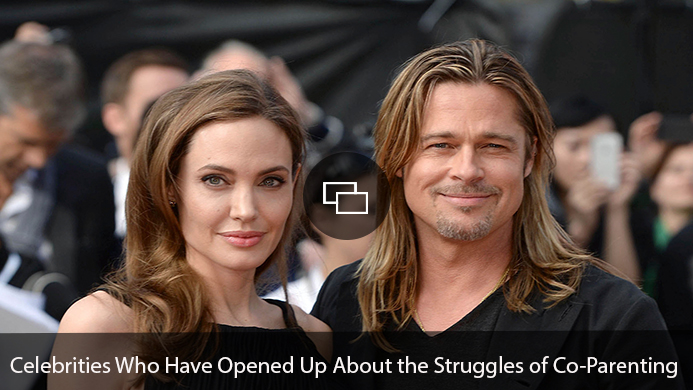
Before you go, click here to see all the celebrities who have opened up about the struggles of co-parenting.