
Published on
January 11, 2026
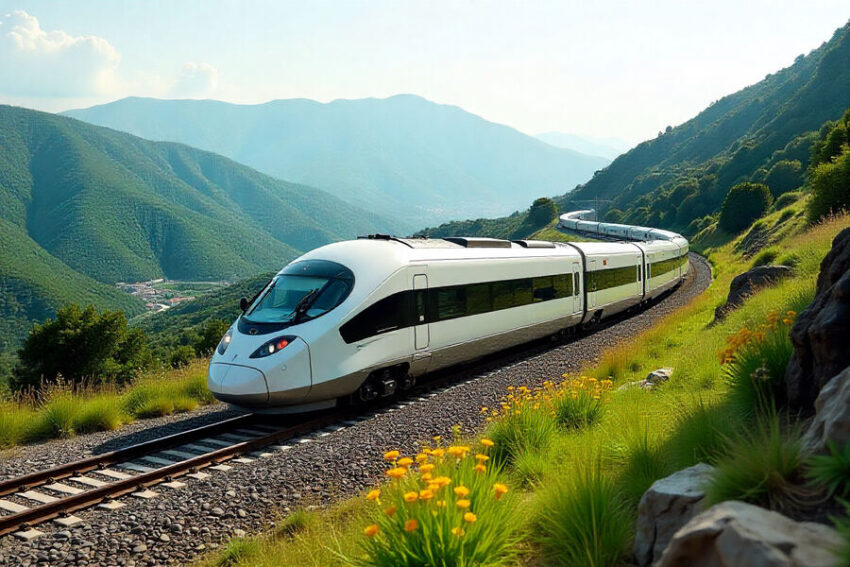
Greece has unveiled an ambitious plan to invest a staggering 124.7 million euros into its rail network, a move set to transform the country’s transportation infrastructure. This bold investment aims to enhance rail travel by introducing state-of-the-art technology and improvements that will dramatically increase speed, safety, and sustainability. With this initiative, Greece is not only improving the efficiency of its railways but also aligning with global efforts to create more eco-friendly and cutting-edge travel solutions for the future. The investment reflects a strong commitment to modernizing the nation’s transport system, ensuring smoother, faster, and safer journeys for both domestic and international travelers.
Greece is undergoing a major upgrade to its rail network, with a series of modernization initiatives backed by a substantial public investment of 124.7 million euros. These efforts are part of the 2021 to 2027 National Strategic Reference Framework (NSRF) “Transport” program, which aims to improve the country’s rail infrastructure. The projects are designed to enhance rail travel safety, speed, and environmental performance, aligning with Greece’s broader objectives of becoming a more modern, accessible, and sustainable travel destination.
Among the most prominent initiatives is the electrification of the double-track rail line from Kiato to Rododafni, which is a crucial segment of the Athens to Patras corridor. Spanning 70.6 kilometers, the new electrified line is expected to dramatically improve the efficiency and eco-friendliness of the route. The project aims not only to reduce carbon emissions but also to reduce noise pollution, offering a quieter and more comfortable journey for passengers.
The electrification of this line will support a significant boost in travel speeds, allowing trains to reach up to 200 kilometers per hour. This will significantly reduce travel times for passengers traveling between key destinations, making train journeys faster and more convenient. The new electrified line is expected to be a game-changer in terms of operational efficiency, providing faster and more reliable services for both passengers and freight.
Beyond just improving the speed and efficiency of rail services, the electrification project also focuses on enhancing the overall travel experience. Key additions to the route include the installation of advanced passenger information systems, which will keep travelers updated on train schedules, delays, and other important notifications in real-time. The project also includes noise barriers at select points along the route, aimed at minimizing disruptions for nearby communities.
The improvements in the Kiato to Rododafni section are just one part of Greece’s broader rail modernization strategy. Another major focus is the upgrade of the Thessaloniki to Idomeni corridor, which is a key route connecting Thessaloniki with the northern border region. This corridor spans 70.5 kilometers and is receiving a complete overhaul of its signaling and train control systems. The modernization of these systems will enhance safety and operational reliability, ensuring that trains can run smoothly and safely along this vital corridor.
The Thessaloniki to Idomeni upgrade is part of a broader effort to make rail travel in Greece not only faster and more efficient but also safer. By introducing cutting-edge signaling and control technologies, this project aims to reduce the risk of accidents, improve train scheduling, and ensure smoother operations across the entire route. The improved system will also allow for better coordination between different trains, further enhancing the reliability and punctuality of services on the Thessaloniki to Idomeni corridor.
While the electrification of the Kiato to Rododafni line and the upgrades on the Thessaloniki to Idomeni corridor are among the most significant projects, there are also other smaller but equally important initiatives that are being implemented across Greece. These include the modernization of existing rail stations, the introduction of new trains, and improvements to the overall passenger experience. These projects aim to provide a more seamless and comfortable journey for travelers, which will be particularly beneficial for tourism.
In terms of tourism, the improvements in Greece’s rail network will have a direct impact on how visitors explore the country. The enhanced rail infrastructure will make it easier for tourists to travel between major urban centers, as well as key tourist destinations. By offering more sustainable and comfortable travel options, Greece is positioning itself as a forward-thinking destination that is in tune with the growing demand for environmentally friendly transport options.
With rail being one of the most energy-efficient and sustainable modes of transport, these upgrades come at a time when there is a global push towards greener and more eco-friendly travel. As international travelers become more conscious of their environmental impact, the demand for sustainable travel options is increasing. The rail network improvements are a direct response to this shift in consumer behavior, offering tourists a way to travel across the country with a reduced carbon footprint.
The upgraded rail infrastructure will also improve connectivity between major tourist hubs such as Athens, Thessaloniki, and Patras, as well as other popular destinations along the coast and in the countryside. The improved rail network will make it easier for visitors to explore Greece’s rich cultural heritage, vibrant cities, and natural landscapes, all while reducing the need for car travel. This is a major step forward in making tourism more sustainable and reducing the environmental impact of the sector.
As the rail network continues to improve, it is expected that the demand for train travel in Greece will grow. With faster and more reliable services, more and more people will choose to travel by train, especially as the country continues to invest in expanding and modernizing its rail infrastructure. The improved network will not only benefit tourists but will also provide Greek residents with an efficient and affordable way to travel within the country.
The government’s rail modernization program also includes the introduction of new rolling stock, including modern, energy-efficient trains. These trains will be equipped with the latest technologies to enhance comfort and improve the passenger experience. In addition, the new trains will be designed to be more accessible, catering to the needs of passengers with reduced mobility.
Greece is investing 124.7 million euros to transform its rail network, aiming to boost speed, safety, and sustainability. This major initiative will modernize the country’s transportation, setting the stage for a future of faster, safer, and greener travel.
These upgrades are a significant step towards transforming Greece’s rail network into one of the most modern and efficient in Europe. By investing in rail infrastructure, the government is setting the stage for future growth in tourism, while also improving the quality of life for its citizens. As the rail network continues to expand and modernize, Greece is well on its way to becoming a more connected, sustainable, and accessible destination for travelers from around the world.
