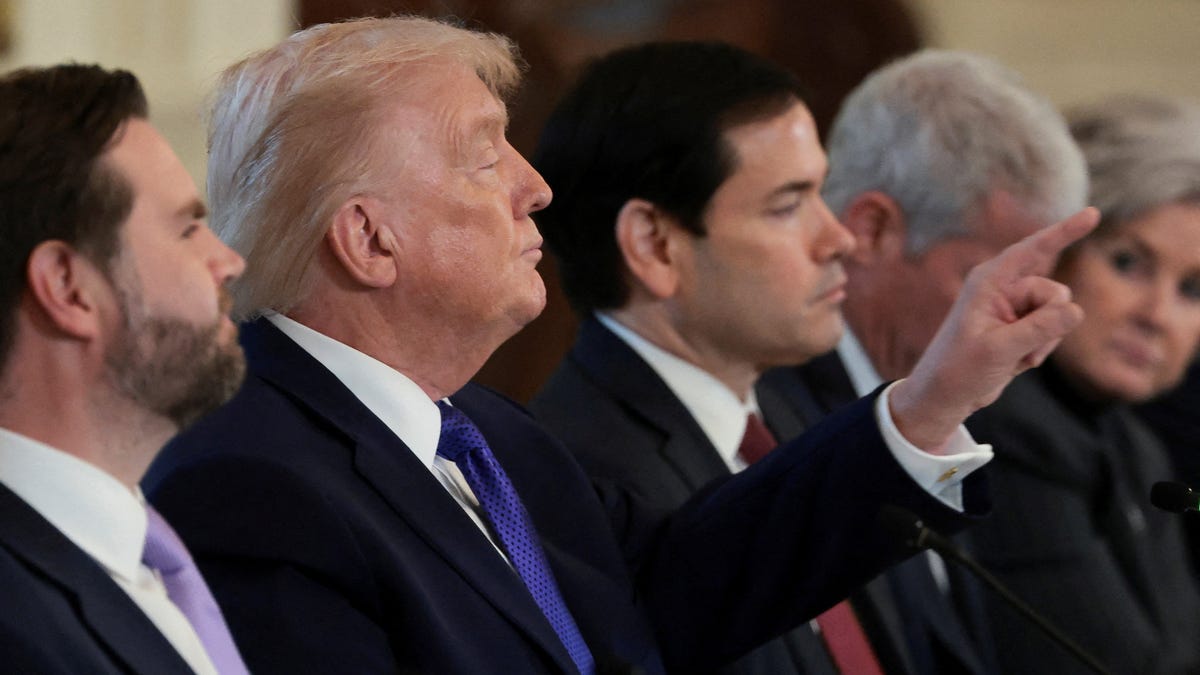
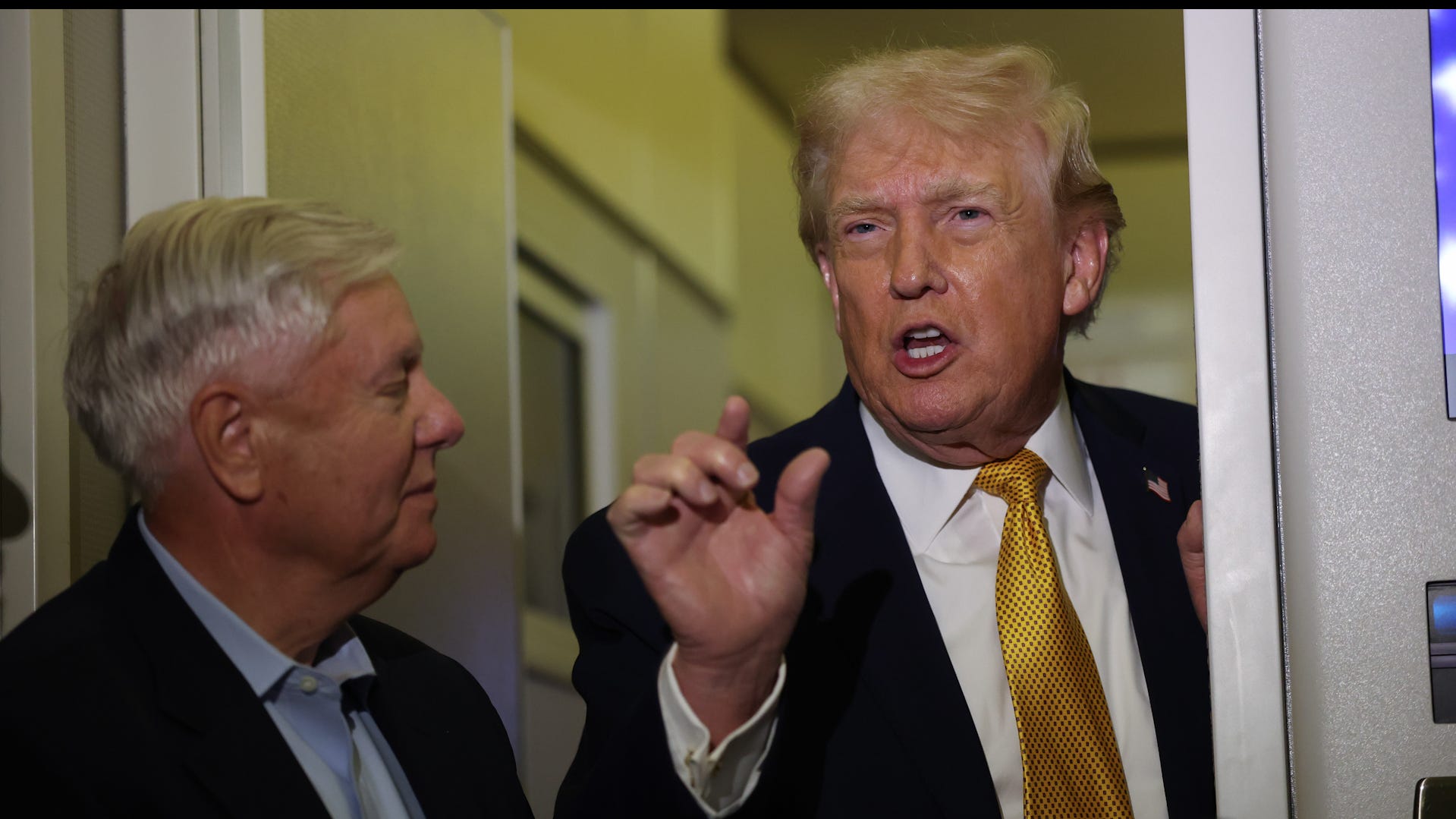

Trump increased military threats to Mexico, Cuba and Colombia
After capturing the Venezuelan president, Trump hinted that other countries in the region could be next to see military action.
President Donald Trump said on Sunday that no more Venezuelan oil or money will go to Cuba and suggested the Communist-run island strike a deal with the United States, placing more pressure on the country located 90 miles from Florida’s shore.
With Venezuela acting as the island’s largest oil supplier, oil supply to Cuba has dwindled following the Jan. 3 capture of Venezuelan President Nicolas Maduro. The U.S. attack raised questions about the potential control and sale of the country’s oil, with Trump telling the New York Times earlier this week that the U.S. would extract oil from Venezuela and market it globally for years.
The president took to his Truth Social media platform on Jan. 11 to urge Cuba to reach an agreement with the U.S.
“THERE WILL BE NO MORE OIL OR MONEY GOING TO CUBA – ZERO! I strongly suggest they make a deal, BEFORE IT IS TOO LATE,” Trump wrote on his Truth Social platform, though he did not elaborate on the prospective deal for the island nation.
Cuban President Miguel Díaz-Canel denounced and responded to Trump’s remarks on social media, writing that “those who turn everything into a business, even human lives, have no moral authority to criticize Cuba for anything, absolutely anything.” Over two dozen Cuban military and intelligence service members reportedly died during the U.S. attack on Venezuela that led to Maduro’s capture.
“Cuba is a free, independent, and sovereign nation. Nobody dictates what we do,” Díaz-Canel continued on X. “Cuba does not attack; it has been attacked by the U.S. for 66 years, and it does not threaten; it prepares, ready to defend the homeland to the last drop of blood.”
The social media posts are the latest move by the Trump administration targeting Cuba following Maduro’s capture in a long history of tension, trade sanctions and embargoes between the two countries dating back to the 1950s. Both Trump and U.S. Secretary of State Marco Rubio have spoken pointedly about the country, with the president describing Cuba’s government and economic system on the verge of collapse last week.
“Cuba is ready to fall,” Trump said. “Cuba looks like it’s ready to fall. I don’t know if they’re going to hold out. But Cuba now has no income. They got all of their income from Venezuela, from the Venezuelan oil. They’re not getting any of it. And Cuba is literally ready to fall.”
Rubio, the son of Cuban immigrants and a key architect of the Venezuela attack, is a longtime critic of the Cuban government.
Rubio issued a warning to Cuba in a Jan. 3 news conference as Trump and his top officials discussed the Venezuelan attack, calling the country a “disaster.”
“If I lived in Havana and I was in the government, I would be concerned ‒ at least a little bit,” Rubio said.
Cuban leadership: island has ‘absolute right’ to fuel
Cuban leadership maintains that the island has an “absolute right” to import fuel from places willing to export it while developing trade relations “without interference or subordination to the unilateral coercive measures of (the U.S.),” the country’s Foreign Minister Bruno Rodríguez said in a separate post on X Sunday.
Rodríguez added that Cuba has not received monetary or material compensation for the security services it has provided to any country.
“Right and justice are on Cuba’s side. (The U.S.) behaves like a criminal and uncontrolled hegemon that threatens peace and security, not only in Cuba and this hemisphere, but in the entire world,” Rodríguez wrote.
Cuba relies on imported crude and fuel mainly provided by Venezuela, and Mexico in smaller volumes, purchased on the open market to keep its power generators and vehicles running, but has seen a supply decrease from Venezuela in recent years, Reuters reported.
Still, the island depends on the South American country’s supply, which consists of some 26,500 barrels per day exported last year, according to ship tracking data and internal documents of state-run PDVSA, which covered roughly 50% of Cuba’s oil deficit, Reuters reported.
Havana produce vendor Alberto Jimenez, 45, said Cuba would not back down in the face of Trump’s threat.
“That doesn’t scare me. Not at all. The Cuban people are prepared for anything,” Jimenez said.
Cubans have endured a slew of hardships in recent years, including frequent and long-lasting power outages that have turned into blackouts multiple times. People have left Cuba in masses in the last half-decade, with many blaming the country’s shaky economic system and food insecurity.
Meanwhile, Mexico has emerged in recent weeks as an alternative oil supplier to the island, but the supply remains small, according to the shipping data. Mexican President Claudia Sheinbaum said her country had not increased supply volumes, but has turned into an “important supplier” of crude to Cuba.
Havana resident and parking attendant Maria Elena Sabina, a 58-year-old born shortly after Castro took power, said it was time for Cuba’s leaders to make changes amid so much suffering.
“There’s no electricity here, no gas, not even liquefied gas. There’s nothing here,” Sabina said. “So yes, a change is needed, a change is needed, and quickly.”
Contributing: Reuters, USA TODAY’s Bart Jansen, Joey Garrison
Kate Perez covers national trends and breaking news for USA TODAY. You can reach her at kperez@usatodayco.com or on Twitter @katecperez_.