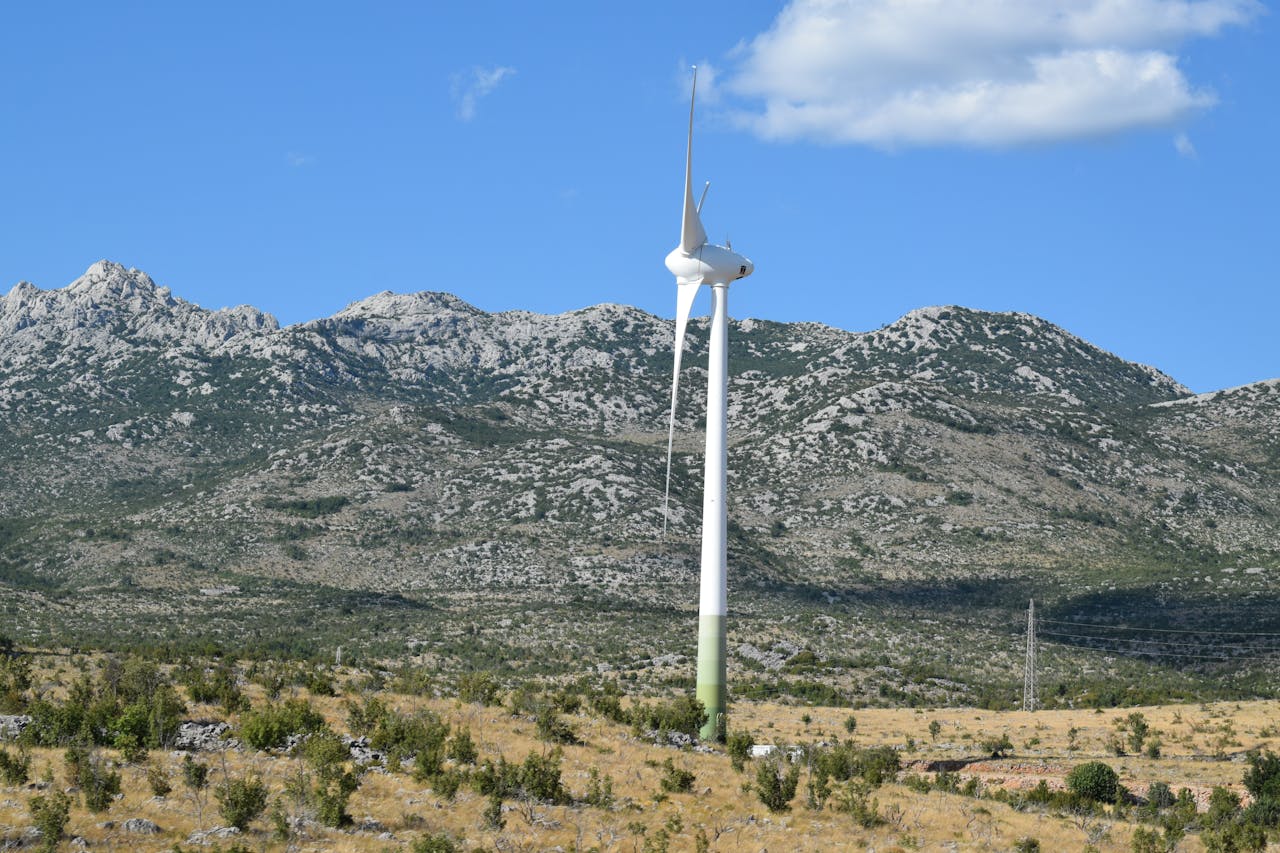
According to provisional data from the Association of Renewable Energy Sources of Croatia (OIEH), solar, wind and thermal power plants using renewable fuels have taken on a leading role in the electricity system for the first time, generating more electricity than any other single technology. Together, they generated more than 5 terawatt-hours (TWh), accounting for 26.6 per cent of total electricity consumption in 2025.
When hydropower plants are added, renewable sources provided more than half (52.6 per cent) of the electricity consumed in Croatia during the year.
Total electricity consumption in Croatia in 2025 amounted to 19,326 gigawatt-hours (GWh), exceeding the 19 terawatt-hours (TWh) mark for the first time. Compared to 2024, consumption increased by 1.01 per cent, and growth continues for the third year in a row. The average annual growth in consumption of around 322 GWh is almost completely followed by the average annual growth in production from renewable sources excluding hydropower plants, which amounts to 376 GWh.
Hydropower plants remain the largest single generation technology in the power system, but due to less favourable hydrological conditions in 2025, their production was 18.4 per cent less than the year before.
Although hydropower plants retained the first place by individual technology, wind power plants, solar power plants, biomass and biogas together produced more electricity than hydropower plants in 2025. The total production of these technologies amounted to a record 5,142 GWh, or 26.6 per cent of total consumption, surpassing all other technologies in the system for the first time on an annual basis.
Looking to 2026
If the current pace of construction is maintained, Croatia could have around 1,290 MW of installed solar power at the beginning of 2026, which would make solar overtake wind in terms of installed power for the first time. It is estimated that the production of solar energy in 2026 could reach about 1550 GWh, or almost 8 per cent of the total available electricity.
The further development of renewable sources, as well as the reduction of electricity imports, will largely depend on solving the issue of fees for connecting to the grid for large projects. Because of this unresolved regulatory issue, there are currently about 3.5 gigawatts (GW) of renewable and battery storage systems ready for implementation.