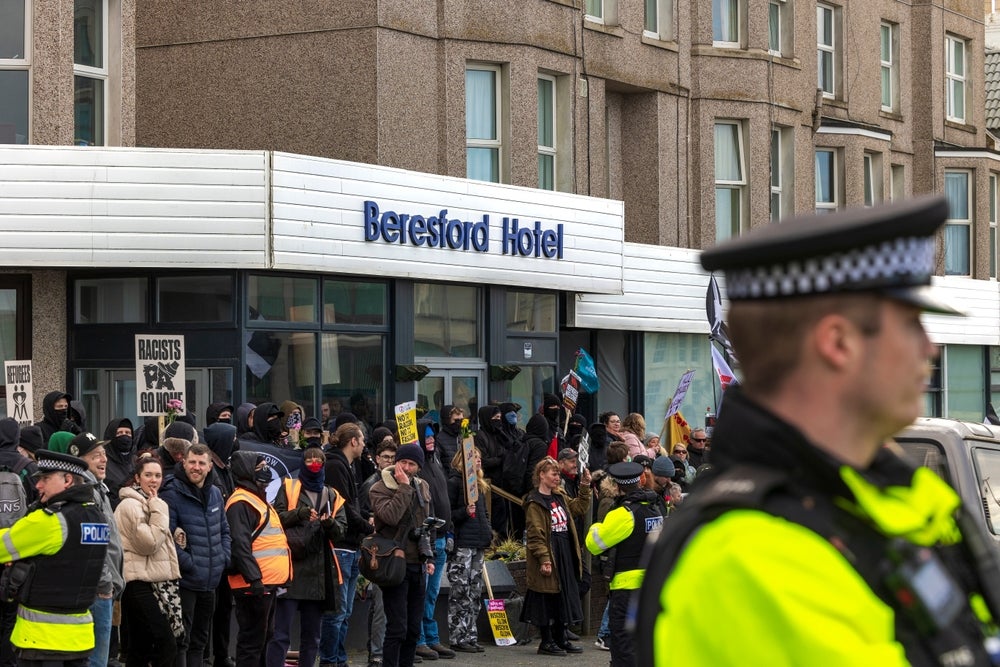
UK ministers have come under renewed pressure in Parliament to clarify how and when the government will end the use of asylum hotels, as concerns persist over costs, community impact and the pace of reform.
The issue was debated in the House of Commons in early January, with MPs from across parties questioning whether progress on closing hotels used for asylum accommodation is matching ministerial commitments.
The government has repeatedly stated that reliance on hotels is unsustainable and intends to phase them out during the current Parliament.
However, lawmakers warned that uncertainty over timelines continues to affect local communities and the wider hospitality sector.
Ministers defend strategy to phase out asylum hotels
During the Commons debate, ministers told MPs that reducing the use of asylum hotels remains a central policy objective.
Responding on behalf of the Home Office, ministers said spending on hotel accommodation had fallen compared with earlier peaks, largely due to faster processing of asylum claims and the use of alternative sites.
Ministers acknowledged that hotels were never designed for long-term asylum accommodation and argued that their use can place pressure on local services and disrupt surrounding areas.
While confirming that all asylum hotels are expected to close in the coming years, they stopped short of giving firm closure dates, saying this would depend on securing sufficient alternative capacity and maintaining legal obligations to provide accommodation.
MPs demand clearer timelines and local reassurance
MPs from affected constituencies pressed the government for more detail, arguing that residents and local businesses need certainty. Several MPs highlighted the strain placed on towns where hotels have been taken out of commercial use, sometimes for prolonged periods.
One MP told the House that constituents wanted their local asylum hotel “closed as soon as possible”, citing ongoing disruption and reputational damage to the area.
Others questioned whether current policies were delivering the promised reduction in hotel numbers, pointing to figures showing that thousands of asylum seekers remain housed in hotels across the UK.
Opposition MPs also raised concerns about the wider effectiveness of asylum policy, suggesting that delays in decision-making continue to drive demand for temporary accommodation, including hotels.
Implications for accommodation policy and the hotel industry
The debate reflects broader scrutiny of UK asylum accommodation policy and its knock-on effects for the hospitality sector.
The widespread use of hotels for asylum housing expanded rapidly during the pandemic and has persisted as backlogs in the asylum system grew. At its height, the approach was estimated to cost millions of pounds per day.
Industry observers note that prolonged government contracts can remove hotels from the commercial market, affecting local tourism supply and distorting accommodation availability.
For international hotel operators and investors, the UK debate highlights how public policy decisions can influence hotel utilisation beyond traditional travel demand.
As discussions continue in UK Parliament, ministers said further updates on reducing asylum hotel use would be provided as alternative accommodation sites come online.
Until then, lawmakers are expected to maintain pressure for clearer deadlines and greater transparency over how the exit from asylum hotels will be delivered.
“UK lawmakers press ministers over asylum hotel exit plans” was originally created and published by Hotel Management Network, a GlobalData owned brand.
The information on this site has been included in good faith for general informational purposes only. It is not intended to amount to advice on which you should rely, and we give no representation, warranty or guarantee, whether express or implied as to its accuracy or completeness. You must obtain professional or specialist advice before taking, or refraining from, any action on the basis of the content on our site.