| —Plastic Pollution Coalition
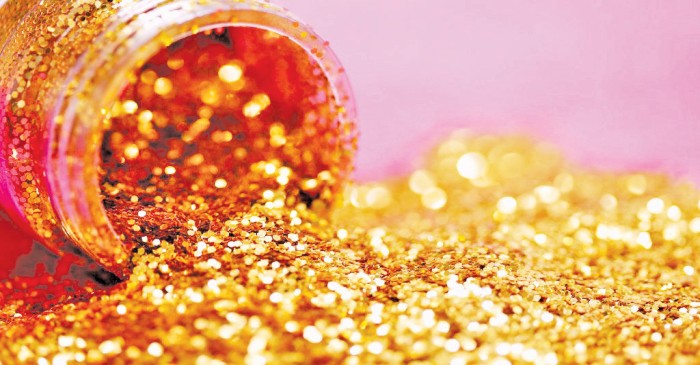
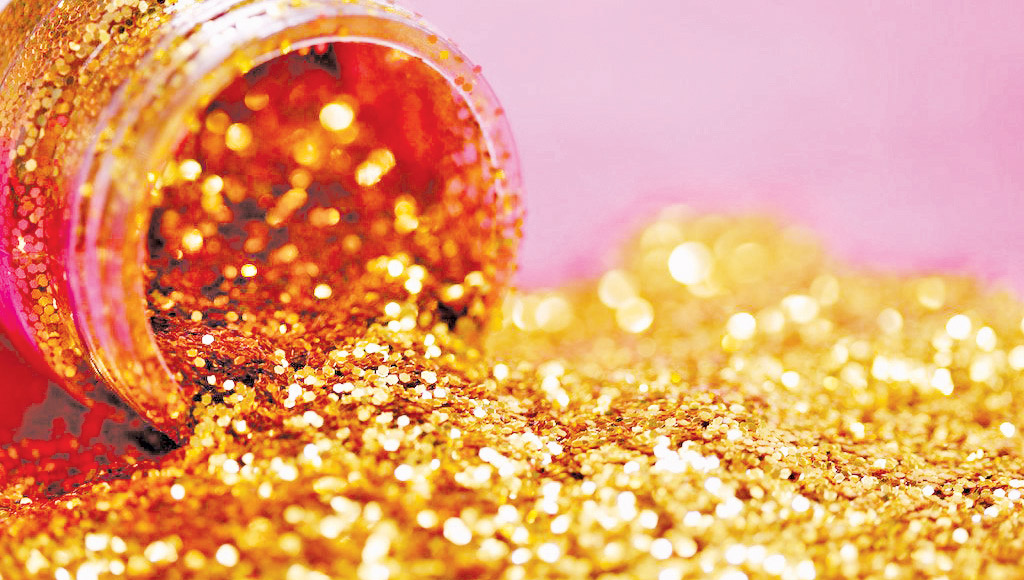
GLITTER is often associated with beauty, celebration and joy. From birthday cards and greeting messages to carnival decorations, sweets, cosmetics and fashion shows, its sparkle has become a familiar part of modern life. Yet beneath this attractive shine lies a growing environmental concern. Scientific research now identifies glitter as a form of primary microplastic. Its tiny size, usually less than five millimeters, allows it to easily pass through water and soil systems, where it persists for long periods and quietly contributes to environmental pollution. The core problem lies in the chemical composition of glitter. Conventional glitter is mainly made from polyethylene terephthalate (PET) or polyvinyl chloride (PVC), coated with a thin layer of aluminum or other metallic reflective materials and synthetic colors. Polyethylene terephthalate is a strong and hydrophobic polymer that does not easily degrade in nature. Over time, it breaks into smaller particles that are known as microplastics.
Chemical nature
BOTH polyethylene terephthalate and polyvinyl chloride are petroleum based polymers. PET is a thermoplastic polymer with long chains containing ester linkages. These chains do not dissolve in water and are not easily broken down by microorganisms. PVC contains chlorine, which makes it more rigid and persistent. When chlorine based plastics degrade, they can release dioxins and chlorinated fragments that disrupt biological processes in the environment. For this reason, glitter is considered a long lasting and degradation resistant material.
In addition, synthetic dyes, metallic coatings, and plasticizers such as phthalates are often used in glitter. When these substances enter the environment, they can bind to water and living tissues. Many of these chemicals are known to disrupt the nervous system and hormonal balance. As a result, not only the plastic particles but also the chemicals attached to them move through ecosystems and enter the human food chain, creating health risks.
Pathway into environment
THE most common use of glitter is in cosmetics, applied to the face, eyes, or body. At the end of the day, when people wash it off, the tiny glitter particles mix with water and enter drains, sinks, and showers. From there, they move into wastewater systems. Because microplastics are extremely small, most wastewater treatment plants cannot effectively remove them. As a result, they enter rivers, lakes and eventually the ocean, polluting aquatic environments.
A worrying fact is that glitter does not remain only as a physical pollutant. Over time, the aluminum coating on glitter particles can undergo chemical reactions in water, creating highly reactive conditions. This can disrupt digestion and respiration in aquatic organisms. Studies show that PET based microplastic particles can alter calcium carbonate biomineralisation processes. This affects shell formation in organisms such as snails, oysters and other shell forming species.
Aquatic ecosystems
WHEN glitter microplastics enter aquatic environments, the first organisms affected are plankton and algae. These tiny organisms may mistake glitter for food because of its small size. Once plankton ingest microplastics, the particles accumulate in their bodies. This process is known as bioaccumulation. Along with the plastic particles, attached chemicals slowly interfere with the internal chemistry of these organisms.
The situation becomes more severe when small fish eat plankton. Microplastic particles and toxic chemicals then move up the food chain. Through biomagnification, these substances accumulate in higher concentrations in larger organisms. When large fish reach the top levels of the food chain, microplastic concentrations become even higher. Eventually, these contaminated fish are consumed by humans.
PET based microplastic particles are harmful not only physically but also chemically. For example, calcium carbonate crystals can form on the surface of microplastics, altering natural biomineralisation processes. This interferes with shell formation in snails, mollusks and other shell producing species.
Bioaccumulation, biomagnification
BIOACCUMULATION is a process where substances build up in an organism because they are not easily removed. In the case of glitter microplastics, particles can settle in tissues and slowly release toxic chemicals. These particles can remain in small organisms for long periods.
The next stage is biomagnification, which is even more dangerous. When small organisms are eaten by larger ones, microplastics and toxic chemicals move upward in the food chain. Their concentration increases at each level. The higher the organism in the food chain, the greater the accumulation of harmful substances. Eventually, this process leads to human exposure. This affects not only aquatic ecosystems but the entire food web and poses serious public health concerns.
Human health
THERE are three main pathways for glitter microplastics to enter the human body. These are through food, especially fish and aquatic products, through inhalation of suspended microplastic particles and through direct skin exposure from cosmetic use. Some studies suggest that a person may ingest hundreds of thousands of microplastic particles each year.
Microplastics are often associated with chemicals such as BPA and other endocrine disrupting substances. These chemicals can interfere with hormonal systems and may have long term health effects.
Biodegradable glitter
GROWING scientific and environmental concern has increased interest in biodegradable glitter. These alternatives are usually made from plant based cellulose or modified regenerated cellulose, derived from wood or plant fibers. When biodegradable glitter enters the environment, it can be broken down by microbial activity into water, carbon dioxide, and biomass, completing a circular degradation pathway.
However, this promising alternative also has limitations. Recent research shows that some commercial eco glitters made from modified cellulose did not fully degrade even after 96 days in purified and marine water tests. They retained their shape and showed limited chemical change. This suggests that under certain conditions, they may behave like long term microplastics, especially in natural environments where microbial activity is lower than in controlled treatment systems.
On the other hand, some studies indicate that plant based or cellulose nanocrystal based glitter does not cause significant additional harm to soil microorganisms or certain cyanobacteria compared to conventional PET glitter. This suggests that careful selection of raw materials and controlled manufacturing processes can reduce environmental toxicity.
Overall impact
THE environmental footprint of glitter microplastics is not just a matter of lack of awareness. It is a serious scientific reality that threatens aquatic ecosystems, food chains, and human health. The presence of plastic microplastics in water bodies interferes with oxygen and carbon cycles, food web dynamics and biomineralisation processes. These changes can alter the fundamental structure of ecosystems.
Although glitter is a small and shiny material, its environmental impact is large and damaging. Its journey begins with face washing water, moves into water bodies, accumulates in plankton and fish, undergoes biomagnification, and finally poses potential health risks to humans. While biodegradable glitter offers a hopeful alternative, its true environmental behavior and effectiveness require deeper scientific investigation. Long term solutions will depend on responsible consumer behavior, strong policy measures, and continued scientific research to ensure that beauty does not come at the cost of environmental destruction.
Arghya Protik Chowdhury is a student of environmental science at Bangladesh University of Professionals.