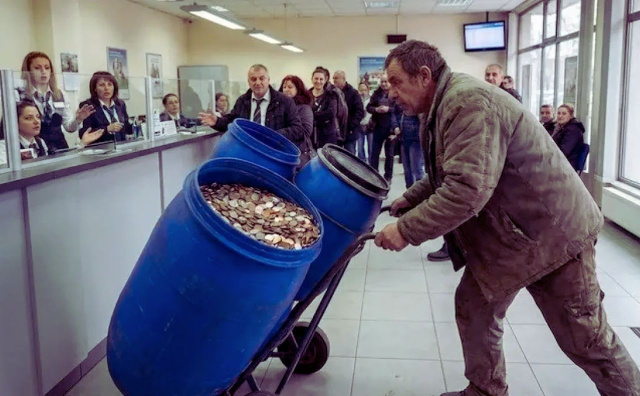
In the first days of Bulgaria’s euro introduction, some bank branches faced serious disruptions as citizens rushed to exchange large amounts of levs for euros, particularly coins. Petya Dimitrova, Chairwoman of the Association of Banks in Bulgaria, told bTV’s “120 Minutes” program that in one case a client brought three canisters filled with coins, which slowed down operations for other customers. Despite the difficulties, banks processed all exchanges and did not charge fees for coins or banknotes during the first six months of the euro transition. Any erroneous fees applied have already been refunded.
The pressure on the banking system has been unprecedented. Within the first two working days, nearly 240,000 people visited branches, with over 30 million banknotes and coins handled, weighing roughly 150 tons. Dimitrova noted that such volumes are unmatched in the history of Bulgarian banking. To better organize the process, banks now require three business days’ notice for exchanges exceeding BGN 30,000 (€15,380), while transactions above €5,000 require a declaration of the funds’ origin in line with the Anti-Money Laundering Act.
Temporary reductions in ATM withdrawal limits, reported in the early days, were short-term measures to ensure smoother service. Currently, all branches operate normally and have sufficient euro cash on hand. In January, to prevent further branch congestion, banks will open over 100 additional branches on Saturdays, and citizens are encouraged to use cashless payments whenever possible to ease the workload.
“The transition to the euro is a serious test for the banking system, but it is functioning effectively,” Dimitrova concluded.