Home » AIRLINE NEWS » New Travel Breakthrough in 2026: Arkia Israeli Airlines Begins Weekly Nonstop Service from Tel Aviv to Hanoi Boosting Tourism
Published on
January 13, 2026
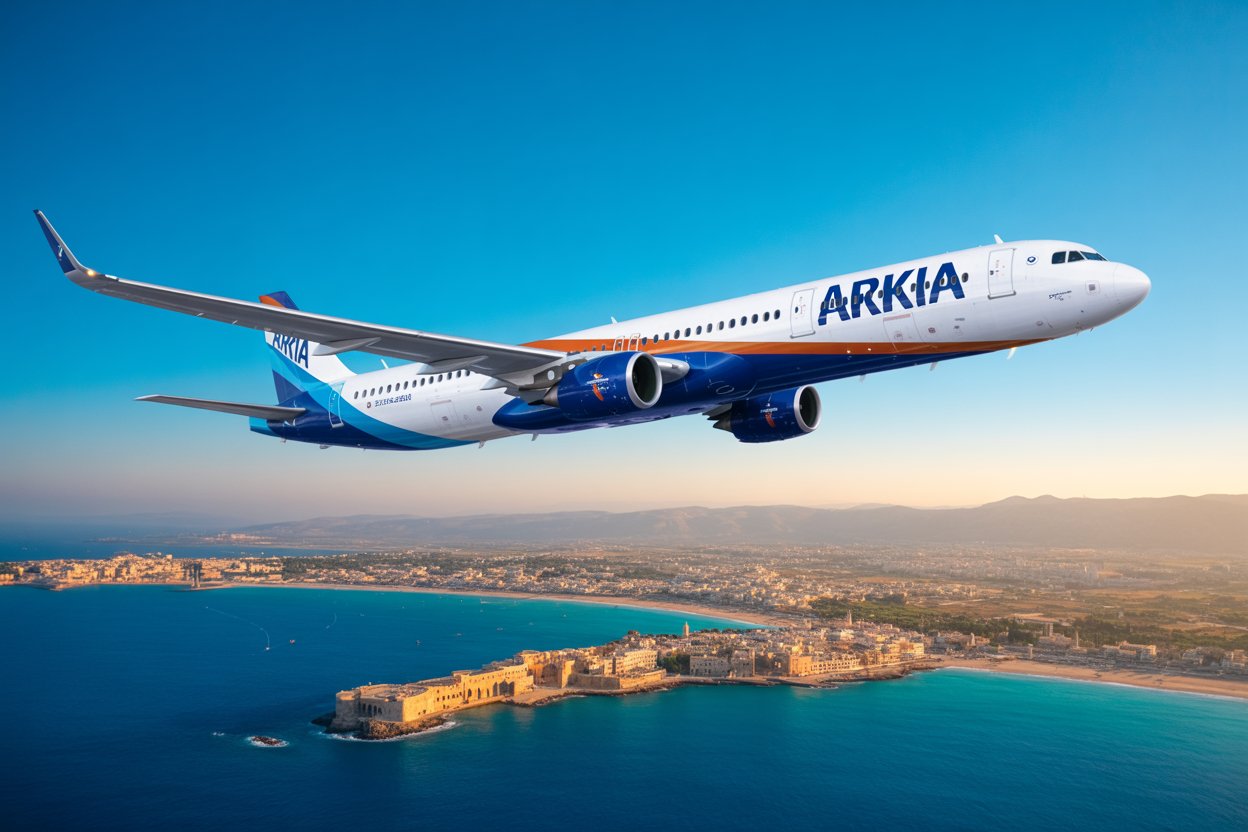
On 5 January 2026, travelers between Israel and Vietnam celebrated a major travel milestone: Arkia Israeli Airlines launched its first direct nonstop flights from Tel Aviv’s Ben Gurion Airport (TLV) to Hanoi’s Noi Bai International Airport (HAN), operating weekly on a wide‑body Airbus A330‑200 aircraft. This new service marks the first ever direct passenger air link between the two countries, eliminating the need for layovers and significantly shortening travel time for passengers on both sides.
The inaugural flight, operated under flight number IZ595, departed Tel Aviv shortly after midnight local time and landed in Hanoi after approximately 11 hours 30 minutes in the air, putting this long‑anticipated route into action just as global travel demand rebounds and interest in cross‑continental tourism surges across Asia and the Middle East.
Connecting Two Cultures: Why the Tel Aviv–Hanoi Link Matters
The introduction of this direct flight route is not merely a commercial expansion; it is a strategic milestone that strengthens diplomatic, economic, and cultural ties between Israel and Vietnam. Government officials from both countries underscored the significance of the connection, highlighting its role in boosting tourism, trade, business cooperation, and bilateral exchanges. The improved connectivity is expected to serve as a catalyst for growth in visitor numbers and cross‑border economic activity throughout 2026 and beyond.
Israeli officials noted that the new route eliminates the logistical barriers of transiting through third countries, which were formerly necessary due to the lack of direct service. By linking Ben Gurion Airport directly with Southeast Asia, travelers will now find both countries more accessible and convenient to explore without extended travel times.
Aircraft Details and Flight Frequency: Airbus A330‑200 Service
Arkia is operating the route using the Airbus A330‑200, a wide‑body jet designed for long‑haul flights with a comfortable passenger experience and efficient range. Arkia’s A330‑200 aircraft, which it wet‑leases as part of its long‑haul fleet expansion, offers generous seating and amenities suitable for flights of this duration.
Initially, the service will run once weekly, with Arkia planning to increase frequency to twice weekly later in the year, reflecting robust demand from both leisure and business travelers. As with other long‑haul Arkia services, it is anticipated that the aircraft will offer a mix of seating options and in‑flight services designed to cater to various passenger needs.
Travel Logistics: Timings, Duration and Passenger Experience
According to official flight records and timetable sources, flight IZ595 departs Tel Aviv shortly after midnight and lands in Hanoi at approximately 4:30 p.m. local time, offering travelers a full day to begin their Southeast Asian adventure upon arrival. The return flight — scheduled to depart Hanoi in the evening — arrives at Ben Gurion Airport late at night, catering to flexible itineraries for international travelers.
The typical flight duration for the outbound leg is around 11 hours and 35 minutes, while the return flight can take approximately 12 hours and 30 minutes due to routing and operational factors. This efficient service lives up to the expectations of passengers seeking direct connections without stopovers.
Passengers on Arkia’s long‑haul flights can expect a comfortable travel experience with amenities including in‑flight entertainment, meals, and options catering to both business and leisure needs. While not a full‑service carrier in the traditional sense, Arkia’s long‑haul product is configured to ensure comfort for extended travel.
Boost to Tourism Between Israel and Vietnam
The launch of the TLV–HAN route comes at a time when both Israel and Vietnam are actively promoting tourism growth and diversifying their international visitor markets. Israel’s tourism sector — bolstered by its rich historical and cultural attractions in cities like Jerusalem, Tel Aviv, and Haifa — is poised for increased visibility among Vietnamese travelers who now can access these destinations without cumbersome transit flights.
Conversely, Vietnamese travelers — long fascinated by Israel’s ancient heritage, vibrant culinary scene, and modern urban experiences — now have direct access to Tel Aviv and onward connections throughout the Middle East and Europe. The Vietnamese capital Hanoi, known for its centuries‑old streets, French colonial architecture, and bustling culture, similarly becomes an appealing destination for Israeli tourists eager to explore Southeast Asia’s charm.
Tourism authorities from both governments have expressed optimism that this direct air service could increase travel flows significantly, contribute to higher tourism receipts, and enhance people‑to‑people interactions between the two nations — from cultural exchanges to business travel.
Economic and Business Impacts
Direct flight service between Tel Aviv and Hanoi is expected to have wider economic implications. Industry analysts note that improved air connectivity often acts as a force multiplier for bilateral trade and investment, offering companies easier access to key markets and facilitating face‑to‑face interactions that drive commercial agreements. Officials from both countries have suggested that the improved link could help push bilateral trade beyond US$4 billion in 2026.
For Vietnam, which continues to see robust growth in tourism and foreign direct investment, this service enhances its accessibility from markets that were previously reliant on one‑stop connections. For Israel, the route broadens its aviation network into Southeast Asia — a dynamic region with expanding economic opportunities.
Looking Ahead: Arkia’s Strategic Expansion
The Tel Aviv–Hanoi route is part of a broader trend in Arkia’s international expansion. In recent years, the airline has also launched direct routes from Tel Aviv to destinations such as New York and Bangkok, cementing its long‑haul network growth strategy and positioning itself alongside larger rivals in international markets.
As travel demand continues to grow — especially for long‑haul vacation, cultural exchange, and business travel — Arkia’s strategic expansion into key global markets reflects its ambition to play a meaningful role in connecting Israel with Asia, Europe, and North America. With increased frequencies and potential future destinations under consideration, the airline’s network is expected to evolve further in the coming years.
Conclusion: A New Era of Israel‑Vietnam Travel
The start of direct nonstop flights from Tel Aviv (TLV) to Hanoi (HAN) on 5 January 2026 represents a transformative step in Israel–Vietnam connectivity. For the first time, travelers can journey between the two capitals without intermediary stops, unlocking new possibilities in tourism, trade, and cultural exchange. Whether for leisure travelers exploring ancient streets and lakes or business delegates strengthening commercial ties, this new route adds convenience, choice, and enhanced global connectivity — ushering in a new chapter of travel between the Middle East and Southeast Asia.
