EU countries are preparing to decide the fate of the controversial EU-Mercosur trade deal in what is shaping up to be the most decisive vote in years.
Cyprus, which now holds the Council’s rotating presidency, has formally placed the deal on the agenda for a vote via written procedure on Friday. This means member states will cast their ballots in writing rather than at an in-person meeting of ministers. If approved, the move would clear the way for the European Commission to sign the agreement next week in Paraguay, likely after Wednesday.
For the deal to pass, it must secure the backing of at least 15 of the EU’s 27 member states, representing 65% of the bloc’s population.
Below, we set out some of the national positions that will shape the outcome of this vote.
It’s complicated: Italy
Italy holds the key to reaching a majority. Rome has long highlighted the benefits of the deal, but in recent months has also called for stronger safeguards for farmers. Italy’s final position remains unclear, though a vote in favour appears increasingly likely.
Officials are still reviewing the guarantees presented by the EU Commission this week, Agriculture Minister Francesco Lollobrigida told Il Sole 24 Ore on Thursday. What is still missing is an agreement on stricter safeguard clauses, he added, which will be discussed an ambassadors’ meeting before they decide on the general deal.
A big no: Ireland, Poland, Hungary, France
Ireland’s centrist government ended weeks of speculation over its position on Thursday by officially opposing the deal. Prime Minister Micheál Martin welcomed the additional safeguards but warned they would not fully shield local farmers from unfair competition.
Poland has been one of the loudest opponents. President Karol Nawrocki recently slammed the deal as a “catastrophe” and insisted on building a blocking minority in the Council.
Hungary has also consistently opposed the deal and confirmed on Thursday that it would vote against it. “Brussels is once again ignoring the interests of our farmers,” Foreign Minister Péter Szijjártó said.
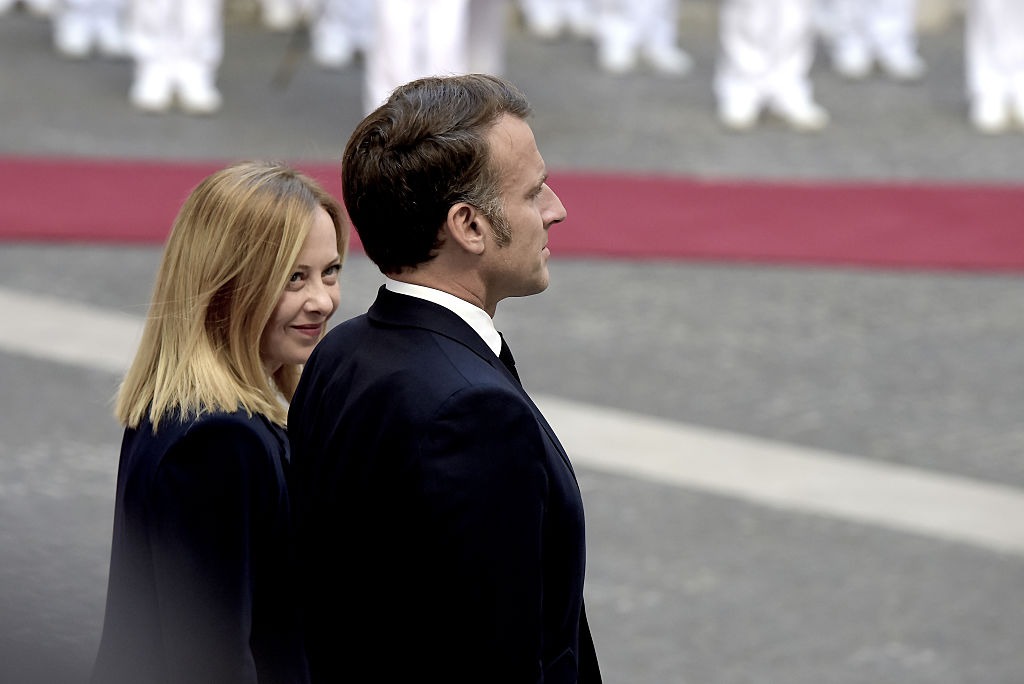
France will vote against the deal, President Emmanuel Macron said on Thursday. A longstanding opponent, Paris has conditioned its support on demands for stronger safeguards for farmers and greater reciprocity. While the Commission has sought to address those concerns, France remains unconvinced.
Instead, the deal has become a test of Paris’ ability to stand up to Brussels. With a presidential election looming in 2027, far-right parties are poised to capitalise on the agreement’s ratification.
Big pro-Mercosur camp: Spain, Portugal, Germany and the Nordics
It comes as little surprise that Spain and Portugal have been among the strongest supporters of sealing the trade agreement, given their close political and cultural ties with Mercosur countries. Spain’s agriculture minister, Luis Planas, has argued that finalising the deal is a no-brainer after 25 years of negotiations. “If Mercosur was necessary on its own merits, it is even more so now,” he said on Wednesday.
Germany has also consistently pushed for the trade deal, and is widely seen as one of the countries set to reap the greatest benefit from it. The agreement is especially juicy for German carmakers, now facing hefty tariffs in the Mercosur countries.
The EU’s Nordic countries – Denmark, Finland and Sweden – have likewise long backed the deal, reflecting their trade-friendly traditions. Now freed from its Council presidency role, Copenhagen is pushing harder for ratification. “New free trade opportunities are needed when others want to erect tariff barriers … not least for a small open economy like Denmark’s,” said Danish farm minister Jacob Jensen.
Home politics: Austria, Belgium, Netherlands
The Netherlands took its time settling on a position. Despite being a staunch advocate of free trade and a major agri-food exporter, the Mercosur agreement proved politically sensitive for the farmers’ party BBB, which is part of the current caretaker government. In November, the cabinet confirmed its support for the deal, and the newly formed parliament endorsed the decision a few weeks later.
Austria is effectively bound to oppose it. Under Austrian law, the government must secure parliamentary approval before signing any trade deal. In 2019, Austria’s parliament voted almost unanimously against the EU-Mercosur agreement, citing environmental concerns and risks to farmers.
Belgium will abstain due to internal divisions, with Flanders supporting the deal and Wallonia opposing it.
(adm, aw)