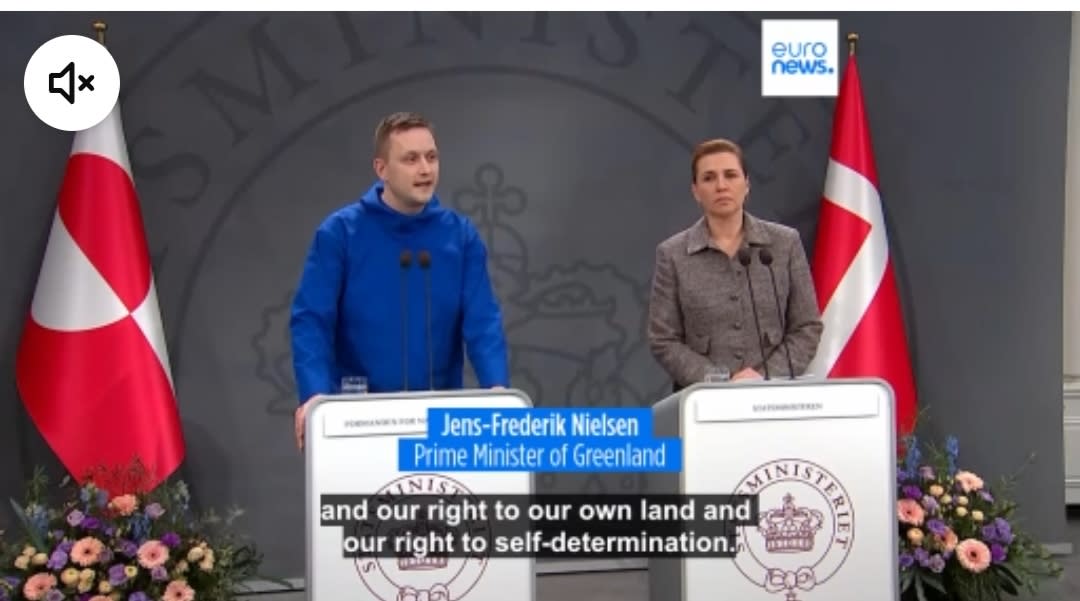
The Danish and Greenlandic foreign ministers are set to meet US Vice President JD Vance and Secretary of State Marco Rubio in Washington on Wednesday, signaling a significant moment in transatlantic diplomacy. The talks are expected to focus on Arctic security, economic cooperation, climate change, and the evolving geopolitical importance of Greenland. As global interest in the Arctic intensifies, this meeting highlights how a once-remote region has become central to international strategy and great-power competition.
Why Greenland Matters More Than Ever
Greenland, an autonomous territory within the Kingdom of Denmark, has emerged as a strategic focal point due to its geographic position and natural resources. Located between North America and Europe, Greenland plays a critical role in Arctic defense and global shipping routes. As melting ice opens new maritime pathways, the island’s importance has grown for military planning, trade, and resource exploration.
The United States has long maintained a strategic presence in Greenland, including the Pituffik Space Base (formerly Thule Air Base), which is vital for missile defense and space surveillance. As tensions rise globally, Washington sees Greenland as a key partner in maintaining security in the Arctic region.
The Role of Denmark and Greenland
Denmark oversees Greenland’s foreign and defense policy, but Greenland’s government has increasingly asserted its voice in international affairs. Greenlandic leaders emphasize the need for direct representation in discussions that affect their land, people, and future.
The participation of both Danish and Greenlandic foreign ministers in the Washington meeting reflects this evolving political dynamic. It signals recognition by the United States that Greenland is not just a strategic asset, but a political actor with its own priorities, including sustainable development, environmental protection, and greater autonomy.
US Interests Under the Vance–Rubio Leadership
Vice President JD Vance and Secretary of State Marco Rubio represent a US administration focused on strengthening national security, countering rival powers, and reshaping alliances. The Arctic has become increasingly prominent in US defense planning, particularly amid growing Russian and Chinese interest in the region.
Russia has expanded its military footprint in the Arctic, while China has declared itself a “near-Arctic state” and invested in polar research and infrastructure. US officials view closer cooperation with Denmark and Greenland as essential to maintaining stability and preventing strategic imbalance in the High North.
Expected Topics on the Agenda
Arctic Security:
Security cooperation is expected to be a central theme. Discussions will likely address NATO coordination, surveillance capabilities, and defense infrastructure in the Arctic. Denmark and the US are both NATO members, and Greenland’s location makes it vital to alliance defense planning.
Climate Change and Environmental Protection:
Climate change is reshaping Greenland faster than almost anywhere else on Earth. Melting ice affects global sea levels, ecosystems, and local communities. Greenlandic officials are expected to stress the need for responsible development that balances economic opportunity with environmental protection.
Economic Development and Investment:
The meeting may also explore US investment in Greenlandic infrastructure, including airports, telecommunications, and renewable energy. Greenland seeks economic diversification to reduce dependence on Danish subsidies, while the US is cautious about foreign—particularly Chinese—investment in critical sectors.
Indigenous and Local Interests:
Greenland’s Inuit population has emphasized the importance of including local voices in international decision-making. Officials are expected to raise concerns about ensuring that security and economic initiatives respect indigenous rights and benefit local communities.
A History of Complex Relations
US interest in Greenland is not new. During World War II and the Cold War, the island played a central role in American defense strategy. In 2019, then-President Donald Trump’s suggestion of buying Greenland sparked controversy and highlighted misunderstandings about the island’s political status.
Since then, relations have matured into a more nuanced partnership. The US has reopened its consulate in Nuuk and increased diplomatic engagement, signaling a shift toward long-term cooperation rather than transactional diplomacy.
European and NATO Implications
The Washington meeting also has broader implications for Europe and NATO. Denmark has pushed for greater EU and NATO involvement in Arctic affairs, while ensuring that Greenland’s unique status is respected.
As NATO adapts to new security challenges, coordination in the Arctic has become increasingly important. The meeting may help align US, Danish, and Greenlandic approaches, reinforcing unity at a time when alliance cohesion is under pressure from global conflicts and political uncertainty.
Balancing Security and Sovereignty
One of the key challenges facing all parties is balancing security interests with Greenland’s desire for greater autonomy. While Greenland relies on Denmark for defense, many Greenlanders aspire to eventual independence and greater control over foreign partnerships.
US officials are expected to tread carefully, emphasizing partnership rather than dominance. Analysts suggest that successful cooperation will depend on treating Greenland as a genuine stakeholder, not merely a strategic location.
What This Meeting Signals to the World
Diplomatic observers see the meeting as a message to other global powers that the US and its allies are committed to the Arctic. It underscores Washington’s intent to remain actively engaged in the region while respecting the political frameworks of Denmark and Greenland.
The presence of high-ranking US officials such as Vice President Vance and Secretary of State Rubio signals the seriousness with which the administration views Arctic diplomacy. It also reflects growing recognition that Arctic stability is inseparable from global security.
Conclusion: A Defining Moment for Arctic Diplomacy
The upcoming meeting between the Danish and Greenlandic foreign ministers and US leaders JD Vance and Marco Rubio represents more than a routine diplomatic exchange. It highlights the Arctic’s transformation from a peripheral region into a central arena of global politics.
As climate change, security concerns, and economic interests converge, cooperation among the US, Denmark, and Greenland will be crucial. The outcomes of these talks may shape Arctic policy for years to come, influencing not only regional stability but the broader balance of power in an increasingly interconnected world.