Published on
January 14, 2026
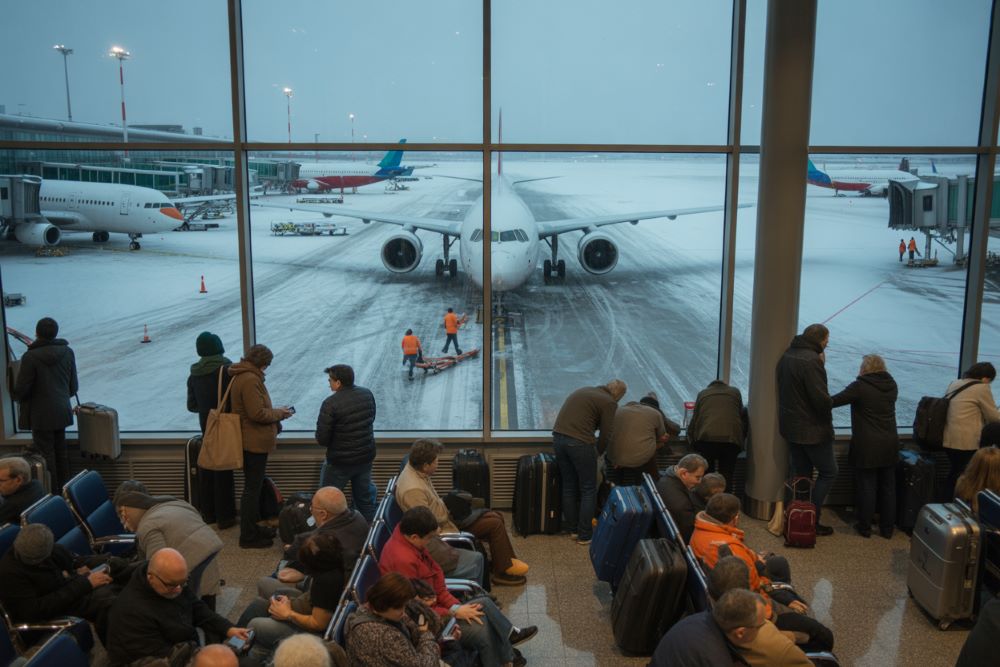
Central and eastern Europe is facing significant travel disruptions due to freezing rain and icy conditions, severely affecting Austria, the Czech Republic, Hungary, and Slovakia. The icy weather has caused major delays and cancellations across airports, rail networks, and roads, stranding passengers and forcing authorities to issue travel warnings.
Meteorological services across the region have reported hazardous conditions, with ice accumulation on roads, rail tracks, and airport runways, resulting in widespread delays. As freezing rain continues to affect transport infrastructure, many passengers are struggling to reach their destinations, and both air and rail services are experiencing ongoing disruptions. Travel authorities are working to manage the situation, but the impact of the freezing weather is expected to persist for several days.
Freezing Rain Brings Airport Closures and Delays in Austria, Czech Republic, and Hungary
Austria is one of the worst-hit countries in this winter weather event. Vienna International Airport, Austria’s largest airport, suspended all flights temporarily as freezing rain and ice made the runway surfaces unsafe for aircraft. Authorities confirmed that many flights were diverted to other airports, leading to further delays. This temporary suspension led to a ripple effect across the region, with many flights to and from Vienna delayed or cancelled.
The situation at Vienna Airport was compounded by the hazardous icy conditions at nearby transport routes, which affected buses, taxis, and other ground transportation services. As the icy conditions persisted, passengers were left stranded, and travellers were urged to check their flight status and avoid non-essential travel.
Prague’s Václav Havel Airport in the Czech Republic also faced similar disruptions. Due to the freezing rain and slippery runways, flights were delayed, and some services were cancelled entirely. The airport authorities issued a travel advisory, urging passengers to expect longer wait times as crews worked to clear the ice and resume normal operations. Many passengers were advised to contact their airlines for further information regarding their flights.
In Hungary, Budapest Liszt Ferenc International Airport was also impacted, with temporary shutdowns of operations due to freezing rain and the risk of ice accumulation on the runway. Although operations later resumed, the continued icy conditions resulted in delays and diversions, leaving many flights impacted. Hungary’s national meteorological service, HungaroMet, issued orange-level warnings for freezing rain in Budapest and surrounding areas, urging travellers to avoid unnecessary travel until the ice hazard subsides.
Slovakia Struggles with Freezing Rain and Train Disruptions
In Slovakia, Bratislava Airport was also affected by freezing rain. The airport’s operations were briefly suspended as ground teams worked on de-icing the runways. Although flights later resumed, many services were delayed and cancelled throughout the day. The freezing conditions affected rail travel as well, with trains across the country suffering from delays and cancellations.
Slovakian national rail service, ZSSK, reported major disruptions on key routes, particularly in Bratislava, as ice on tracks created unsafe conditions for train travel. Passengers were advised to monitor the ZSSK website for real-time updates on train services, as continued freezing conditions were expected to complicate rail services for the next several days.
The Impact of Freezing Rain on Roads and Secondary Transport Networks
Beyond airports and trains, road networks across Austria, Czech Republic, Hungary, and Slovakia are also experiencing significant disruptions. The freezing rain has created black ice on roads, leading to traffic accidents, delays, and road closures. In particular, elevated highways, bridges, and shaded areas are at high risk for ice formation, making driving conditions hazardous. Drivers are being urged to exercise extreme caution and avoid non-essential travel where possible.
In Austria, national transport authorities issued advisories for motorists to reduce speeds and increase following distances, as road conditions were expected to worsen throughout the day. Similarly, in Hungary and the Czech Republic, road authorities have been clearing ice from highways but warned that the threat of black ice remains high.
Key Destinations Affected by Freezing Weather
Here is a breakdown of the key destinations affected by the severe winter storm in central and eastern Europe:DestinationTravel ImpactWeather AlertVienna, AustriaFlight delays, diversionsFreezing rain, ice warningsPrague, Czech RepublicFlight cancellations, delaysFreezing rain, icy roadsBudapest, HungaryAirport shutdowns, flight delaysOrange-level alert for iceBratislava, SlovakiaAirport closures, rail disruptionsFreezing rain, icy conditionsCzech Rail NetworkDelays on regional and long-distance trainsIce on tracksSlovak Rail NetworkTrain delays, cancellationsFrozen tracks, dangerous conditions
What Travellers Need to Know: Key Safety Tips
As this winter storm continues to disrupt travel across central and eastern Europe, passengers should be aware of the following safety tips and travel advisories:
Monitor travel updates: Always check official airline, railway, and road service websites before setting off. Many airlines and railway operators are providing real-time updates on their status.Be prepared for delays: Expect long waiting times at airports and train stations. It is advisable to bring extra provisions such as water, snacks, and entertainment in case of extended delays.Check for travel advisories: Many countries have issued winter weather warnings. Make sure to follow official updates from local authorities.Avoid non-essential road travel: If driving, ensure your vehicle is equipped with winter tires, and allow extra time for your journey. Avoid icy or unfamiliar roads.Stay warm and safe: Temperatures remain below freezing, so it’s important to dress warmly and be cautious of slippery surfaces.Extended Weather Warning for Europe’s Central and Eastern Regions
According to the latest weather forecasts, the freezing rain and icy conditions that have gripped Austria, Czech Republic, Hungary, and Slovakia are expected to persist for several more days. Sub-zero temperatures will continue, and the region will likely see additional snowfall and ice accumulation in some areas.
National meteorological services in each of the affected countries are advising that hazardous conditions could worsen, especially with frost accumulation on roads and airport runways. Passengers traveling in and out of affected airports, or using long-distance rail services, should remain prepared for continued disruptions and possible service cancellations.
How to Stay Informed: Official Sources and Updates
To stay updated on the latest information regarding travel disruptions, passengers should rely on official government and transport websites. Austrian Federal Railways (ÖBB), Czech Railways (ČD), ZSSK Slovakia, and other national transport bodies are the most authoritative sources for real-time travel status updates.
For weather warnings, the national meteorological services (like HungaroMet in Hungary, Czech Hydrometeorological Institute, and Austrian Meteorological Service) provide the latest weather alerts and forecasts. These services give crucial insights into expected weather changes, allowing travellers to make informed decisions about whether to proceed with their journey or postpone.
Conclusion: Ongoing Winter Weather Makes Central and Eastern Europe Travel Risky
As freezing rain and ice continue to disrupt major transport hubs in Austria, the Czech Republic, Hungary, and Slovakia, travellers should be aware of the ongoing risks to both air and rail services. Passengers are advised to stay updated with official travel alerts and to exercise caution when travelling in icy conditions.
While transport authorities are working hard to restore services and clear affected routes, the freezing conditions are expected to persist for the foreseeable future, leaving travel disruptions and delays as a major concern. Staying informed through official government and transport websites is key to ensuring a safe journey during this severe winter weather event.
