China’s exports have grown particularly rapidly to South-East Asia and Africa. Many companies in these regions, including subsidiaries of Chinese businesses, assemble components in China and ship them to the United States, bypassing recently imposed US tariffs.
For example, in the first eight months of last year, US imports from Indonesia increased by a third – an outcome experts reportedly believe is the result of goods being redirected.
What sounds like a first world problem for China isn’t all good news for a nation that is also pushing hard for economic self-reliance. The country’s domestic economy remains weak, with spending having been hit hard since the real estate crash in 2022 blew a hole in the Chinese consumers’ savings and curbed local spending. This had also led to a weakness in Chinese imports, further widening the trade surplus.
The boost in cheap Chinese exports to other countries has meanwhile created its own global tensions as various nations such as France have concerns about eroding their sovereign manufacturing capacity.
The trade imbalance between China and large parts of the world is clearly creating an optics issue about which Beijing is becoming increasingly aware, not the least of which is the sharp contrast between its sluggish domestic demand and strong international demand.
Loading
But inflation in many other countries in the world has made Chinese imports more appealing and the country’s weak currency has made its imports more expensive.
Chinese exports to Africa grew by a massive 26 per cent while in the European Union, exports rose 8 per cent, and in South East Asia, they were up 13 per cent.
These represent tectonic shifts in world trading which will have their own ramifications.
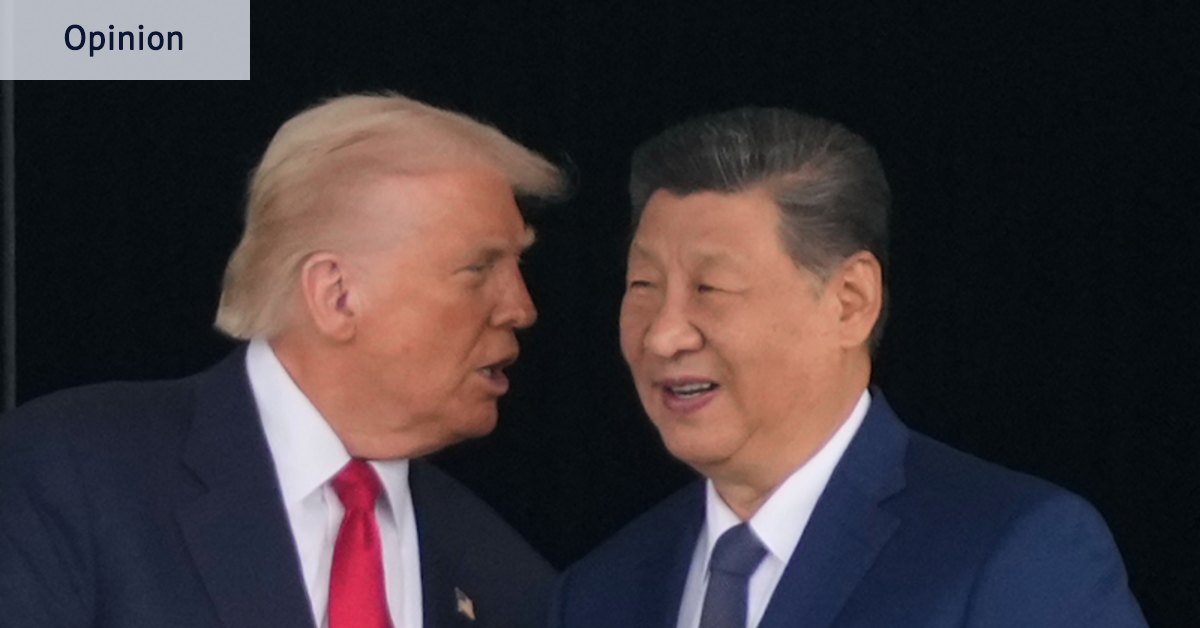
But for the US, Trump’s attempts to thwart the rise and rise of Chinese manufacturing appears to be an experiment that has turbocharged its biggest economic rival.