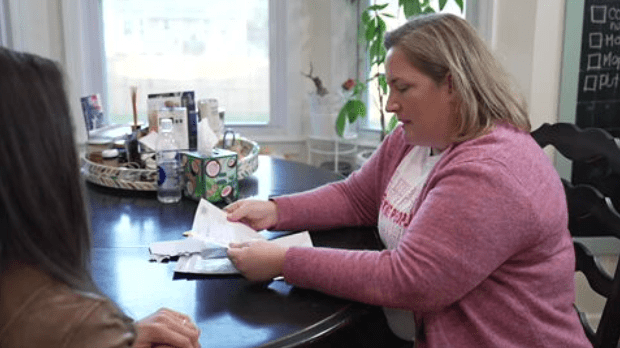
Teresa Acosta had been anxiously bracing for her health insurance bill. She was expecting to pay twice as much, maybe more, because of expiring subsidies. But she was floored by what her January statement reflected: a whopping 620% increase on her monthly premium.
“I had heard a lot of people saying, ‘Oh, it’s gonna double or triple premiums,’” said Acosta, a single mother of three. “No. Mine increased seven times over.”
Acosta, 49, got her January notice just days before Christmas, leaving her with $74 in her bank account. “It crushed me,” she told MS NOW during an interview at her home in Dunwoody, Georgia. “I mean, I was like, I don’t know how I’m going to pay for food for Christmas.”
“It was crushing,” she added.
Acosta is among 22 million Americans confronted with increased health care costs following the Jan. 1 expiration of enhanced tax credits under Obamacare, officially called the Affordable Care Act. Thanks to those subsidies, Acosta paid $72 per month for health insurance for her and her three teenagers, the youngest of whom is diabetic.
Now, she says her monthly bill has skyrocketed to $520 — a fourth of her income, forcing her and her children to make tough choices to stay afloat. “I don’t know how I’m gonna afford the basic necessities of life,” she said.
Play

Her alarm echoes concerns shared by millions of others facing soaring premium increases and a Jan. 15 open enrollment deadline. Many are dropping their health insurance plans altogether. But for Acosta, given her family’s health care needs, going uninsured isn’t a viable option.
“I’m afraid for my youngest’s access to the medication that he needs to live,” said Acosta. “A Type 1 diabetic can’t live without insulin, and I’m afraid that if something happened to me, that he would not be able to manage, you know, a system that doesn’t value his life.”
Acosta personifies the health insurance crisis that became the Democrats’ political rallying cry during the longest government shutdown in history, propelling them to 2025 election victories in Virginia, New Jersey and New York City. The momentum led to last week’s U.S. House vote, when 17 Republicans joined all Democrats in approving a bill to extend Obamcare subsidies for three years. The Senate had previously rejected the bill — and on Wednesday, Republicans blocked consideration of the newHouse-passed legislation.
According to KFF, a nonpartisan health research group, those like Acosta who relied on enhanced tax credits are seeing their bills rise an average of 114%. An Urban Institute analysis projects an additional 4.8 million people will forgo insurance this year.
“While there is still time to extend the enhanced tax credits, with each passing day, more and more ACA Marketplace enrollees are going to drop their health insurance when faced with eye-popping increases in their premium payments,” says Larry Levitt, KFF’s executive vice president for health policy.
Acosta says she made the difficult decision to close her catering business over the summer in anticipation of higher costs and in search of a job with health care benefits. Now, her three teens are taking on extra jobs, and her eldest, Andie Stannard, is taking a break from college to help pay the bills.
“I’m having to ask my children to help me do things that should only be my responsibility, and that has broken my heart,” Acosta said. “They should concentrate on going to school, getting good grades, making friends — not paying a bill.”
Recommended

Arielle Hixson is an Emmy-nominated reporter for MS NOW.

© 2026 Versant Media, LLC
