Published on
January 16, 2026

In 2026, Belgium will join a growing list of European countries, including France, Italy, Spain, the Netherlands, Germany, and others, in boosting regional travel with a significantly lower entry fee for EU residents compared to non-EU travelers. This strategic move comes as part of a broader initiative aimed at making European tourism more accessible to those within the continent, while still catering to the increasing influx of international visitors. By implementing a dual pricing system, Belgium ensures that its cultural and historical landmarks remain within reach for neighboring EU citizens, offering them affordable entry fees to explore the nation’s renowned attractions. At the same time, non-EU travelers, particularly those from high-demand regions like Asia, the Middle East, and North America, will continue to face premium pricing that reflects the additional costs of managing international tourism. This balance between regional affordability and international appeal aligns with the broader goals of the EU to enhance cross-border travel, while maintaining the economic vitality driven by non-EU tourists. As countries like France, Italy, Spain, the Netherlands, and Germany have already demonstrated, regional travel can be encouraged through reduced fees for Europeans, ensuring that the tourism sector thrives in both local and global contexts.
The European Travel Information and Authorisation System (ETIAS)
The European Travel Information and Authorisation System (ETIAS) marks a historic shift in Europe’s border policy. Set to become a mandatory part of European travel by 2027, ETIAS essentially ends “paperless” visa-free travel for non-European citizens. This initiative will require travellers to gain pre-approval before entering Europe, similar to existing systems like the U.S. ESTA or UK ETA. As of January 2026, the system is gearing up for a phased launch. Below, we break down the core details, timeline, and costs associated with ETIAS.
FeatureDetailsWhat It IsA mandatory electronic travel authorisation linked to your passport. It is not a visa, but a pre-travel security screening.The Cost€20 (Originally €7; the increase covers the digital infrastructure required for the system).Validity3 years, or until your passport expires, whichever comes first. Multiple entries are allowed during this period for stays of up to 90 days.Launch Date (Q4 2026)ETIAS will go live and applications will open on the official EU portal.Soft Launch (6 months)A transitional period where travellers are encouraged to apply for ETIAS, but will not be blocked from boarding if they have not yet received approval.Mandatory Implementation (April 2027)ETIAS will be strictly enforced. Airlines and ferry operators will be legally required to deny boarding to anyone without an approved ETIAS authorisation.Belgium: Dual Pricing for a Balanced Tourism Experience
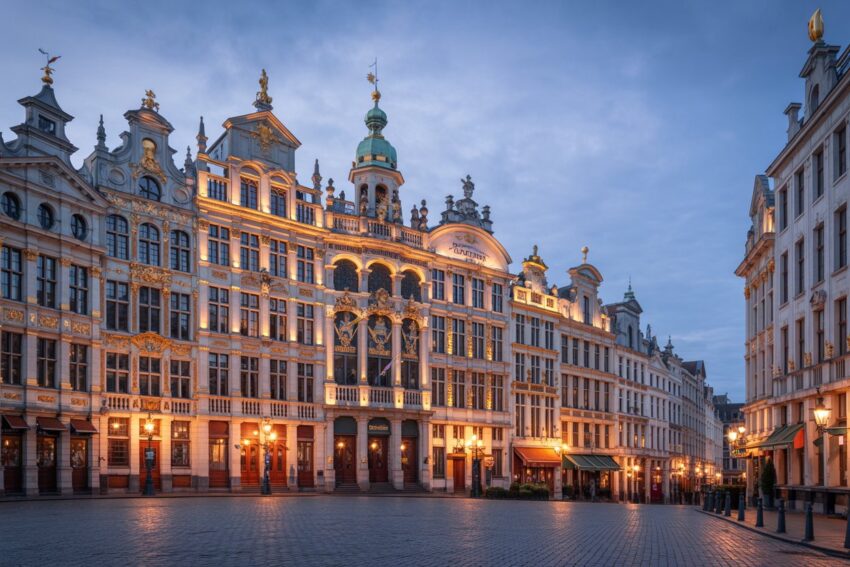
Belgium’s dual pricing system is designed to cater to a diverse range of tourists, from non-EU travelers to regional European visitors. Non-EU tourists, particularly from Asia and the Middle East, pay premium prices for entry to major cultural and historical landmarks, including the Grand Place in Brussels and the Atomium. This premium pricing is balanced by high-value offerings such as guided tours and extended experiences, which ensure that Belgium remains competitive for international visitors who seek more luxurious services.
Non-Schengen travelers are offered regional travel packages with pricing structures that encourage them to explore beyond the primary tourist hotspots. These packages may include discounted multi-city passes, allowing visitors to enjoy the Belgian countryside and historic towns. EU residents benefit from reduced pricing for both attractions and public transport, which supports local tourism and ensures that neighboring European countries can afford to visit Belgium regularly.
Belgium’s dual pricing system strengthens its tourism sector by ensuring that high-value international visitors are attracted while maintaining a focus on regional tourism within Europe, benefiting both international and European travelers.Traveler TypePrice for Non-EU TravelersPrice for Non-Schengen TravelersPrice for EU TravelersVisa Application Fee€20€20€0Attraction Entry (Average)€20–€38 (Premium packages)€12–€25 (Discounted for regions)€9–€18Public Transport (Day Pass)€13€11€7
France: Dual Pricing Models to Foster Regional Tourism

France, the world’s most visited country, utilizes a sophisticated dual pricing system that targets both non-EU and EU tourists. Non-EU visitors, especially from North America, Asia, and the Middle East, often face higher entry fees for top tourist attractions, such as the Eiffel Tower and the Louvre Museum, reflecting the premium experiences these visitors typically seek. For example, tickets for non-EU travelers may come with access to priority entry or guided tours, justifying the higher cost. The pricing adjustment ensures that these international visitors contribute to the economic vitality of French tourism while receiving world-class services.
Non-Schengen travelers, who are not from EU countries but may still be within the European continent, benefit from slightly adjusted pricing for regional exploration. These travelers are offered discounted rates for public transportation and multi-day passes that encourage them to venture beyond Paris and into the French countryside or historic towns. Meanwhile, EU citizens can enjoy a more affordable experience, paying less for entry into major sites and cultural tours. The system ensures that French tourism remains accessible to Europeans while drawing in high-spending international tourists.
The combination of high-value offerings for non-EU travelers and affordable regional options for EU residents allows France to cater to a wide variety of tourists, ensuring its place as a global tourism leader.Traveler TypePrice for Non-EU TravelersPrice for Non-Schengen TravelersPrice for EU TravelersVisa Application Fee€20€20€0Attraction Entry (Average)€20–€40 (Premium experiences)€15–€30 (Regionally discounted)€10–€20Public Transport (Day Pass)€15€12€8
Italy: Enhancing Regional Travel through Dual Pricing
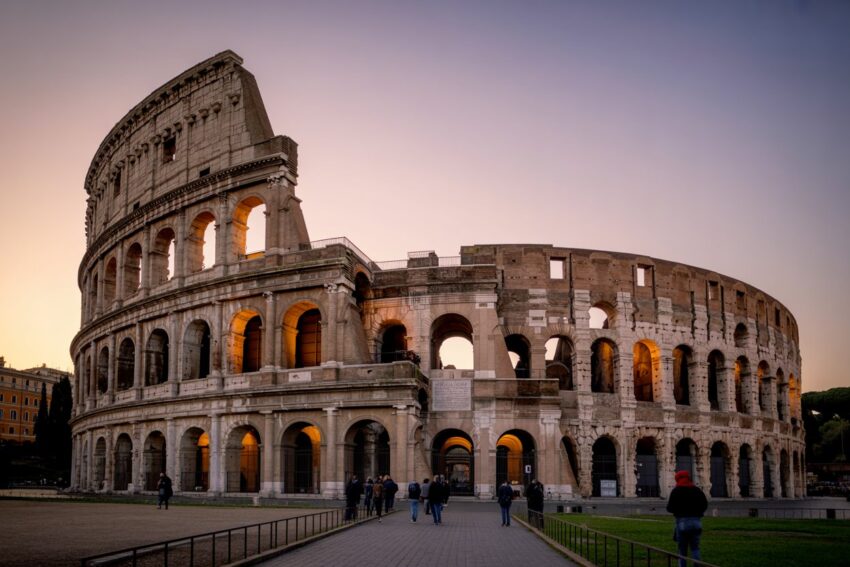
Italy, with its timeless appeal and iconic landmarks, is employing dual pricing to further strengthen its tourism sector. Non-EU travelers, especially those from emerging markets like China, India, and the United States, are offered premium entry fees for key attractions such as the Colosseum, the Vatican Museums, and the canals of Venice. These visitors are also more likely to pay for packaged experiences, which may include skip-the-line access and private tours. By charging higher fees for these exclusive experiences, Italy ensures that it can accommodate both high-volume tourism and provide tailored offerings for premium travelers.
Non-Schengen travelers, those coming from countries that are outside the EU but within Europe’s borders, benefit from discounted pricing for regional travel packages. These packages encourage them to explore Italy beyond its well-known cities, such as Rome, Florence, and Milan, and discover less-visited regions like Sicily and Puglia. Meanwhile, EU citizens continue to enjoy cheaper access to Italy’s world-class museums, historical sites, and transportation options. This pricing model helps Italy strike a balance between attracting global tourists and offering accessible options for its European neighbors.
The dual pricing system enables Italy to maintain its status as one of the world’s top tourist destinations while also promoting regional tourism and making it affordable for Europeans to enjoy all that the country has to offer.Traveler TypePrice for Non-EU TravelersPrice for Non-Schengen TravelersPrice for EU TravelersVisa Application Fee€20€20€0Attraction Entry (Average)€18–€35 (Higher-tier options)€12–€25 (Discounted regional rates)€10–€18Public Transport (Day Pass)€14€12€6
Spain: Strategic Pricing to Attract Non-EU and Non-Schengen Tourists

Spain, with its unique blend of history, culture, and natural beauty, has adopted a dual pricing system to attract a diverse range of international visitors while also catering to its European clientele. Non-EU tourists, particularly from North America, Latin America, and Asia, face higher entry fees for popular attractions such as La Sagrada Familia in Barcelona or the Alhambra in Granada. These tourists often seek more luxurious experiences, such as guided tours and exclusive access, which justify the increased costs. Spain’s dual pricing structure ensures that these visitors contribute to the local economy while receiving a premium experience.
Non-Schengen travelers, particularly those from countries in Europe but outside the EU, are offered regional pricing that encourages exploration beyond the bustling cities. With discounts on multi-day transportation passes and extended cultural experiences, Spain is promoting regional travel to areas like Andalusia and the Basque Country. At the same time, EU residents benefit from discounted rates for both accommodations and major tourist sites, making Spain an affordable destination for those within the Schengen Area.
By balancing competitive pricing for EU tourists and premium options for international visitors, Spain continues to attract a diverse array of travelers, supporting its strong tourism industry and boosting regional exploration.Traveler TypePrice for Non-EU TravelersPrice for Non-Schengen TravelersPrice for EU TravelersVisa Application Fee€20€20€0Attraction Entry (Average)€25–€45 (Premium attractions)€15–€30 (Regional discounts)€10–€20Public Transport (Day Pass)€13€11€7
Netherlands: Boosting Regional Travel with Tailored Pricing
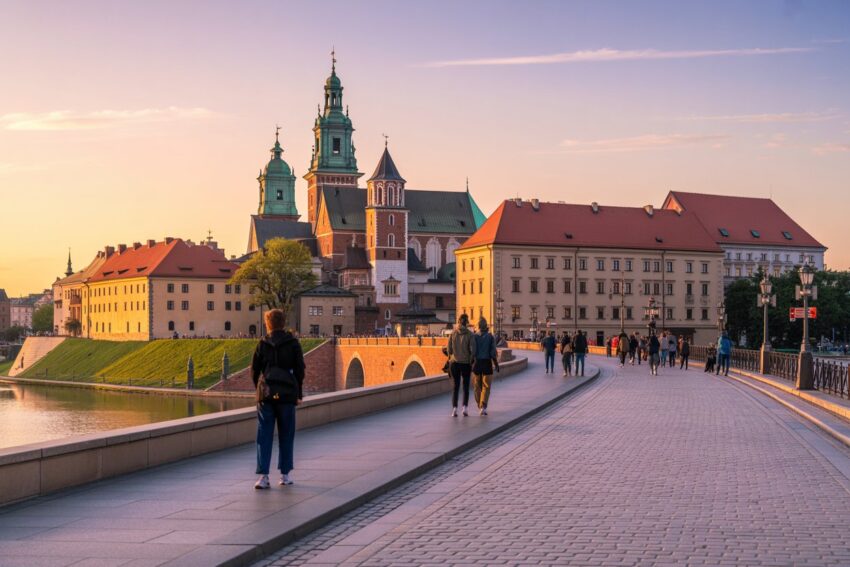
The Netherlands has embraced dual pricing to enhance its tourism sector and attract a broader range of international visitors. Non-EU travelers, particularly those from the United States, China, and Japan, are subject to higher pricing for popular attractions such as the Rijksmuseum, Van Gogh Museum, and the Anne Frank House. These visitors often seek premium services like guided tours and special events, making the higher pricing necessary to accommodate the demand for high-quality experiences. The dual pricing model ensures that the Netherlands remains an attractive destination for international travelers while also managing the influx effectively.
For non-Schengen travelers, the Netherlands has created regional travel options that encourage exploration of not just Amsterdam, but also the country’s picturesque villages, tulip fields, and canals. Non-Schengen visitors can take advantage of discounted travel packages that include access to multiple cities or regions within the Netherlands, making it easier to experience the country in depth. EU residents, on the other hand, benefit from budget-friendly access to cultural sites and public transportation, maintaining the Netherlands’ reputation as an affordable destination within the Schengen Zone.
This balanced approach ensures that the Netherlands continues to attract a wide range of international tourists while supporting regional travel within the country.Traveler TypePrice for Non-EU TravelersPrice for Non-Schengen TravelersPrice for EU TravelersVisa Application Fee€20€20€0Attraction Entry (Average)€18–€35 (Premium rates)€12–€20 (Regionally discounted)€8–€15Public Transport (Day Pass)€14€13€6
Germany: Dual Pricing to Boost Regional Travel
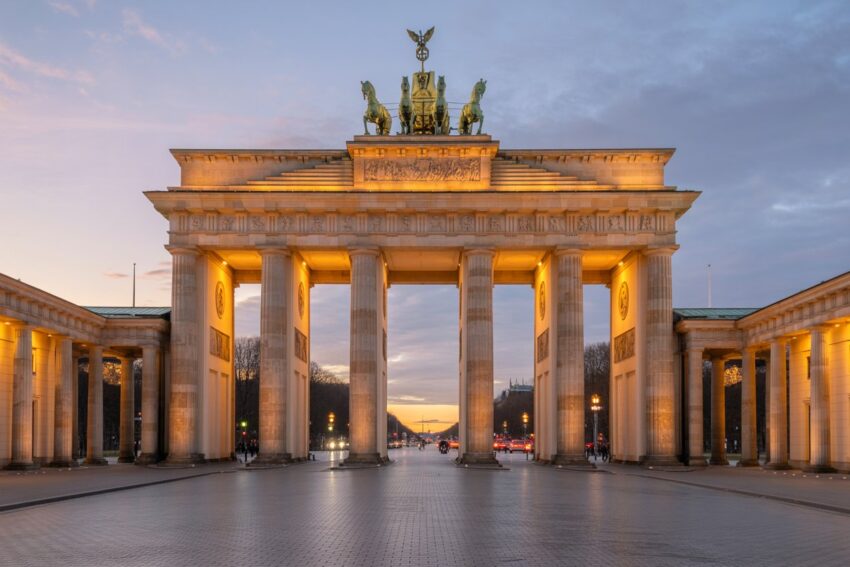
Germany, a cultural and economic powerhouse in Europe, has been strategically implementing dual pricing to accommodate both non-EU and EU visitors. As the country continues to draw millions of international tourists annually, the introduction of dual pricing for visa applications and entry fees ensures that both regional European travelers and non-EU tourists are catered for effectively. For non-EU visitors, especially those from Asia, Africa, and Latin America, the pricing for attractions such as the Brandenburg Gate or the Neuschwanstein Castle is higher to reflect the additional costs of managing international travelers, including visa procedures and extended services.
Non-Schengen travelers, those coming from outside the EU but still within the broader European continent, face a distinct pricing model designed to incentivize regional travel. For example, travelers from the UK, Switzerland, or Eastern Europe might find discounted rates for regional transportation and cultural experiences, allowing them to explore not just major cities but also rural and lesser-known areas in Germany. Conversely, EU citizens enjoy lower entry fees, making it easier for them to visit Germany’s landmarks and museums affordably.
By employing this dual pricing strategy, Germany ensures that it remains a competitive tourism destination, attracting high-value international visitors while maintaining accessibility for European residents. The added costs for non-EU and non-Schengen travelers contribute to supporting the country’s tourism infrastructure.Traveler TypePrice for Non-EU TravelersPrice for Non-Schengen TravelersPrice for EU TravelersVisa Application Fee€20€20€0Attraction Entry (Average)€15–€30 (Higher rates for tourists)€10–€20 (Regional discount rates)€10–€15Public Transport (Day Pass)€12€12€7
Key Changes in European Travel Rules
The ETIAS system is designed to enhance security and streamline border management. While the system will apply to citizens of countries that previously enjoyed visa-free travel within the Schengen Area, the introduction of ETIAS will ensure that Europe is prepared for an evolving global security landscape. As this system unfolds in stages, travellers should be aware of the evolving timeline and ensure they are fully compliant before mandatory enforcement kicks in.
In 2026, Belgium joins France, Italy, Spain, Netherlands, Germany, and others in promoting regional travel by offering significantly lower entry fees for EU travelers. This move boosts accessibility and encourages local exploration, balancing tourism costs.
Conclusion
Belgium’s decision to join France, Italy, Spain, the Netherlands, Germany, and other European nations in offering significantly lower entry fees for EU travelers in 2026 highlights a crucial shift towards fostering regional travel. This approach not only enhances the affordability and accessibility of European destinations for locals but also promotes a balanced tourism model. By incentivizing EU citizens to explore beyond the well-known tourist hotspots, Belgium is ensuring a thriving tourism sector while maintaining the appeal of its cultural landmarks to international visitors. This strategy proves vital in strengthening regional tourism across Europe, encouraging both local exploration and international interest.
