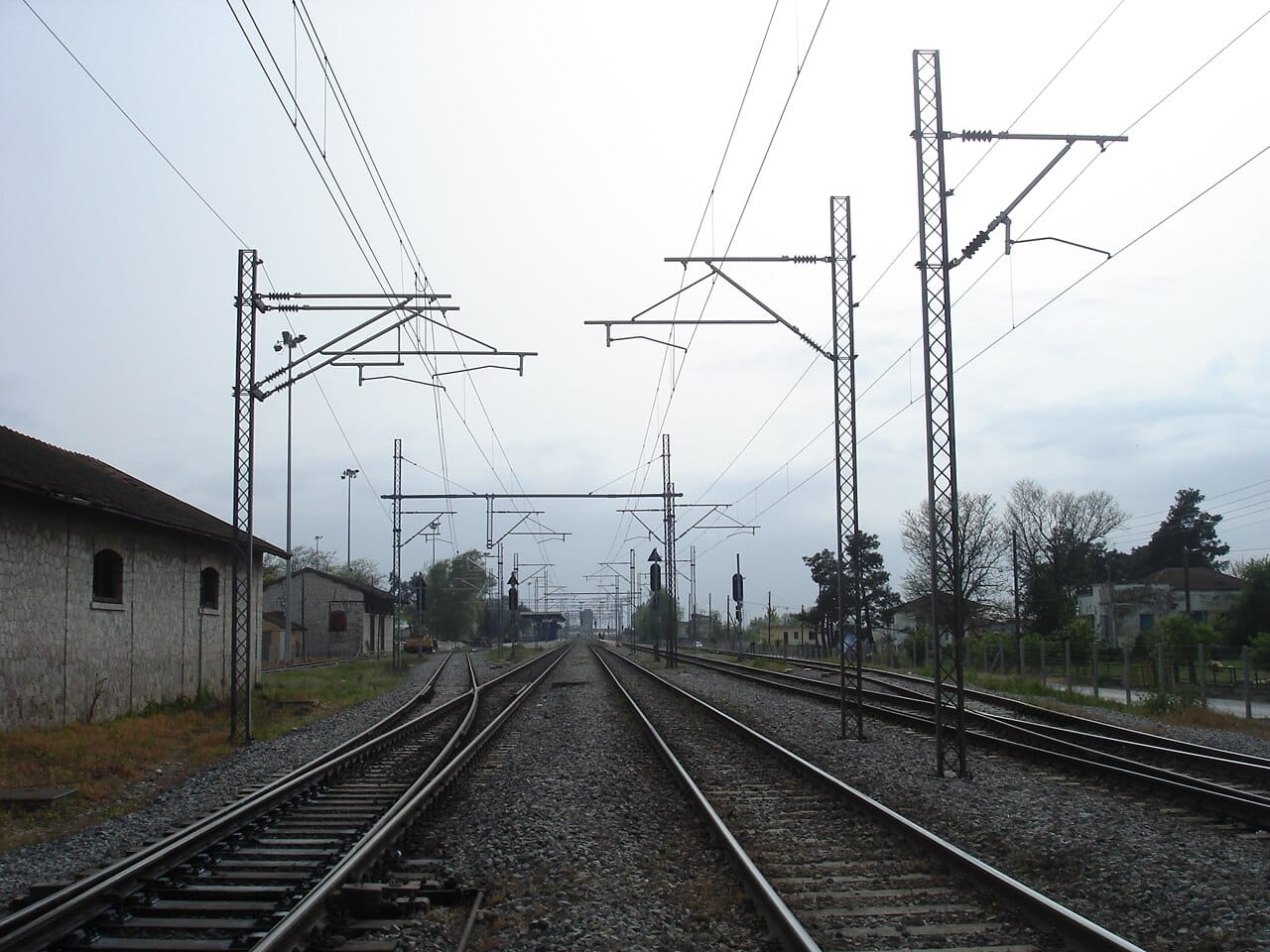
Greece ratified a new rail contract with Hellenic Train, unlocking $486 million for new electric trains. Credit: Wikimedia Commons / Thaliapap / CC BY SA 3.0
Greece’s Parliament has officially ratified a new contract between the state and Hellenic Train, setting a more binding and measurable framework for train services and rail operations.
The agreement introduces clear deadlines, formal oversight, and financial penalties, replacing uncertainty with enforceable commitments.
Greek officials describe the contract as a major reset for the country’s rail system, designed to improve reliability, strengthen transparency, and rebuild passenger confidence.
Greece’s investment package totals $487 million for new trains
The agreement secures an investment plan worth €420 million ($487 million). Ferrovie dello Stato, the Italian state rail group and parent company of Hellenic Train, will fund the full package.
The investment covers two core areas:
€308 million ($389 million) to purchase 23 new electric trains
€112 million ($129 million) to upgrade supporting infrastructure, including maintenance facilities, depots, and digital systems
Greece will receive its first newly purchased passenger trains since 2004, marking a long-awaited fleet modernization.
New clause allows contract cancellation if trains miss the 2027 deadline
For the first time, the contract includes a termination clause tied directly to delivery and operational readiness. If Hellenic Train fails to deliver and place the new electric trains into service by 2027, the Greek government can cancel the agreement.
The clause gives the state a direct enforcement tool and prevents modernization targets from slipping into open-ended timelines.
Stronger penalties and higher passenger compensation
The new framework tightens penalties for operational failures, including delays, mechanical breakdowns, and inadequate maintenance. It also strengthens passenger rights by doubling compensation for major service disruptions.
Officials say these measures aim to raise service standards closer to modern European expectations and push performance improvements through stricter accountability.
GPS-based monitoring replaces paper reporting
The agreement also introduces a digital train monitoring system using GPS tracking, replacing older paper-based reporting processes that offered limited visibility and weaker oversight.
With real-time tracking, authorities can monitor performance more closely, respond faster to incidents, and improve accountability across daily operations.
New trains could cut Greece’s Athens–Thessaloniki journey to under 3.5 hours
Greek Deputy Minister of Infrastructure and Transport Konstantinos Kyranakis said the new rolling stock and targeted upgrades along the Athens–Thessaloniki corridor could reduce travel time to under 3.5 hours.
The government aims to make rail more competitive against driving and short-haul flights, while restoring public trust through measurable improvements in reliability and service quality.