Published on
January 17, 2026
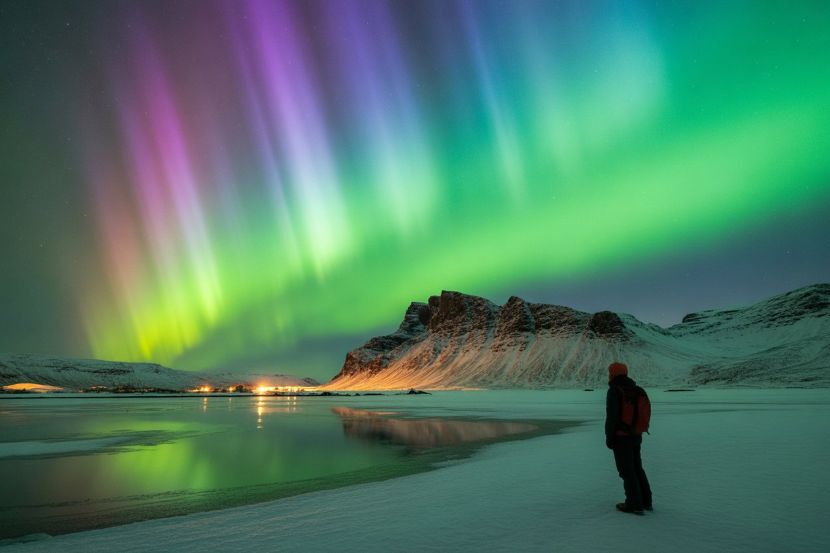
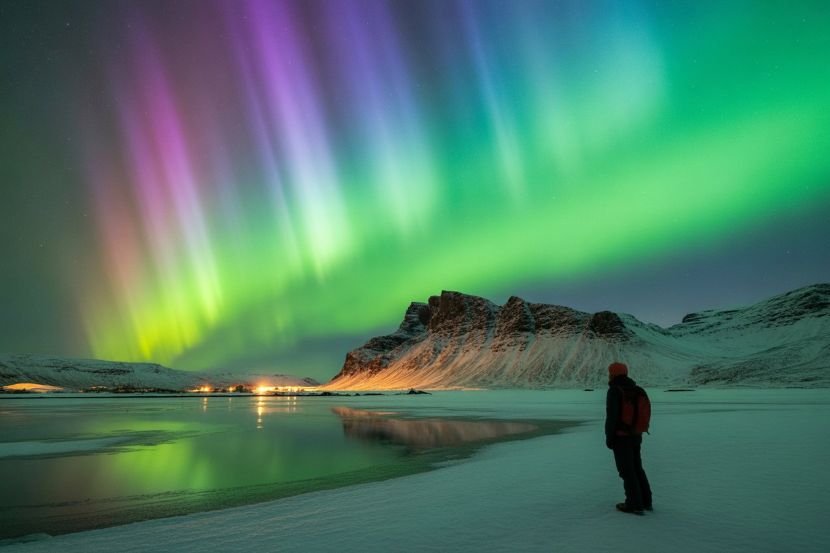
As the 2026 season for Northern Lights approaches, Iceland’s tourism industry is poised to benefit from heightened global interest, thanks to favourable solar weather conditions and official forecasts. The majestic aurora borealis, which has always been one of the country’s top attractions, is expected to captivate visitors with even more intensity this year. Official space weather agencies are predicting a peak in aurora activity during the winter months, making Iceland the prime destination for travellers looking to experience this stunning natural phenomenon.
With space weather experts forecasting elevated solar activity, Iceland is set to offer some of the best opportunities for Northern Lights sightings in recent years. NOAA, the National Oceanic and Atmospheric Administration, reports that solar wind and geomagnetic activity will lead to vivid auroras over the Arctic Circle. This is great news for Iceland, which enjoys ideal conditions for viewing the Northern Lights due to its long, dark nights during the winter months. Tourists from all over the world are flocking to Iceland, aiming to catch a glimpse of the spectacular light shows in the sky.
The government-backed Icelandic Tourism Board has capitalized on these predictions, promoting the country as one of the best destinations for Northern Lights viewing in 2026. According to the Icelandic Meteorological Office, the prime viewing months will be from January through March. The dark skies, clear weather, and optimal geomagnetic conditions make this an exceptional period for aurora watchers. Visitors are encouraged to plan their trips based on accurate space weather data to maximise their chances of witnessing the light show.
Local tourism operators are already reporting increased bookings for Northern Lights tours, particularly in Reykjavik and northern regions such as Akureyri and Thingvellir National Park. These areas, known for their minimal light pollution and stunning landscapes, offer some of the best vantage points for the aurora. Many tour operators are now integrating real-time space weather apps into their services, allowing tourists to track geomagnetic activity and adjust their plans for optimal viewing.
Iceland’s tourism growth due to the Northern Lights is not just about the sight itself. The country’s unique winter experiences – from geothermal spa visits to glacier hikes – are drawing visitors who want to enjoy the aurora in combination with Iceland’s natural beauty. Activities like dog sledding and snowmobiling in the north of Iceland are becoming increasingly popular among those who seek both adventure and the magical allure of the lights in the sky.
Moreover, Iceland’s sustainable tourism initiatives are making the experience even more appealing. The tourism board highlights eco-friendly accommodations and transportation options, encouraging visitors to explore the country while minimizing their environmental impact. This focus on sustainability is appealing to eco-conscious travellers looking to visit destinations that align with their values.
The government of Iceland, in collaboration with local businesses, has ensured that travellers have access to reliable space weather forecasts to plan their aurora-chasing adventures. Government sources report that NASA and NOAA’s forecasts, combined with local weather predictions, will give tourists the most accurate chance of catching a stunning aurora display. These forecasts, which are updated regularly, allow visitors to track when and where the Northern Lights will be visible. By utilising this information, tourists can schedule their aurora tours at the most opportune times.
While space weather plays a significant role in the appearance of the Northern Lights, local weather conditions are also crucial. Clear skies, low humidity, and low levels of artificial light are essential for the best viewing experiences. Iceland’s remote locations away from the capital city, Reykjavik, offer the perfect settings for these conditions, making it a hotspot for skywatchers.
As 2026 progresses, Iceland’s status as a premier destination for aurora tourism will continue to grow. The Icelandic tourism sector is benefiting not only from the allure of the Northern Lights but also from the increase in global awareness about the phenomenon, thanks to the extensive media coverage surrounding space weather events. With governments and businesses working together to enhance the traveller experience, the country is primed to welcome more visitors eager to witness one of the most awe-inspiring spectacles on Earth.
Iceland’s 2026 Northern Lights season offers a remarkable opportunity for tourists to experience the aurora borealis in all its glory. With official forecasts, government-backed initiatives, and an increasing number of tour operators offering tailored experiences, the country is set to boost its tourism industry even further. Whether you are a seasoned traveller or a first-time visitor, Iceland’s magical skies are waiting for you.
