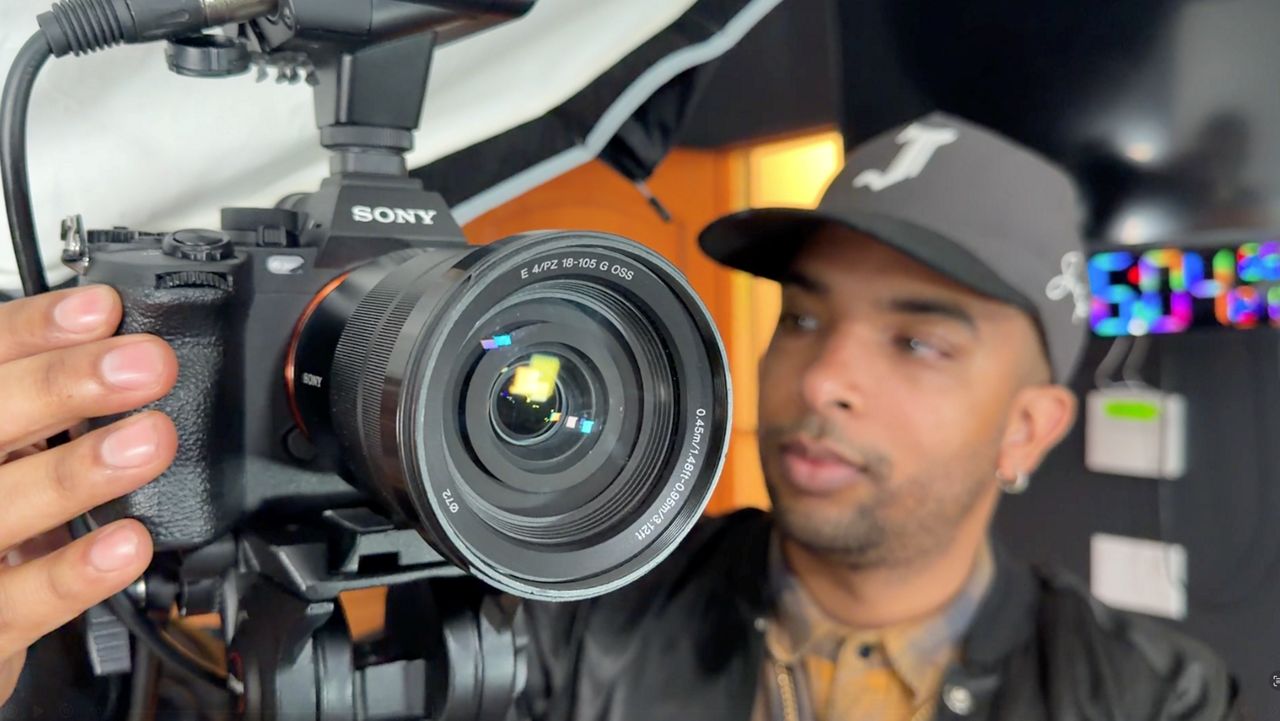
LOS ANGELES — Inside Dr. Self Tape’s Hollywood studio, Joseph Harold fine-tunes a camera and adjusts the framing.
For years, the space Joseph co-founded with his brother Joel has helped actors and creators film auditions and self-tapes, but lately, they’ve been using the studio for something different: vertical micro-dramas.
Designed for phones and built for short attention spans, vertical micro-dramas are scripted, often dramatic series. The style has already taken off across parts of Asia and is now gaining traction in the United States.
“We’ve been filmmaking for going on ten years, and this new opportunity, we call it the gold rush of Hollywood and the vertical dramas,” Harold said.
Their latest project leans into the format’s strengths, using short episodes to explore the chaos and humor of the casting process, a world Harold knows well from running Dr. Self Tape.
“These days, I find myself on the phone almost eight hours throughout the day, so it makes sense for me to kind of consume my content that way,” he said. “Big studios and big production companies are trying to find their way in this new space with emerging technologies. The investment is not there yet in the studio system, so independent filmmakers and independent production companies are on the rise.”
The rise of vertical storytelling comes as traditional film, and television production in Los Angeles continues to struggle. According to FilmLA, local shoot days fell by about 16% last year, marking the lowest level since the worst stretch of the pandemic.
At the state level, leaders have moved to strengthen film tax credits in an effort to keep productions and union jobs in California.
“We worked together last year to double down on our film and tax credit programs and not only keep our iconic industry here, but all the unionized camera operators, stunt performers, wardrobe and set designers,” Gov. Gavin Newsom said in recent remarks. “It’s a point of pride. And that program is working and producing real results.”
But those results haven’t shown up in the data yet. Many productions awarded tax credits have not started filming, and overall production levels remain down.
That’s part of why Los Angeles City Councilmember Bob Blumenfield says the city needs to broaden its focus.
“We are not ahead of the curve on this one. China is leading the industry and other countries, and so we need to catch up,” Blumenfield said. “If we want to keep the entertainment base here in Los Angeles where it needs to be, we need to look at all aspects of entertainment. The big stuff, but also these micro-dramas and see how we can incentivize keeping them here.”
Later this month, the City Council is expected to vote on a motion Blumenfield introduced that would help fund vertical content creators. The proposal aims to keep production in Los Angeles as the format continues to grow.
“Every single day we get a permit from FilmLA for another micro-drama,” Blumenfield said. “Those are just the permitted ones on public lands. Unfortunately, there’s a lot of lures to get people to produce them elsewhere. This city was built on the entertainment industry, and this is the next wave in the entertainment industry.”
For Harold, the appeal goes beyond any single format or trend.
“I think it’s a blessing in disguise,” he said. “I think barrier to entry for a lot of filmmakers is going to open a lot more opportunities, and now I’m all for it.”