The ocean supports life and the global economy in countless ways. It supplies food, moves trade, and protects coastlines from storms.
Yet most estimates of climate damage fail to account for what rising emissions are doing to the ocean.

That gap is starting to close. A new study looks closely at how climate change is affecting the ocean and assigns real costs to that damage.
Once ocean harm is included, the cost society pays for carbon pollution nearly doubles.
What the ocean has been absorbing all along
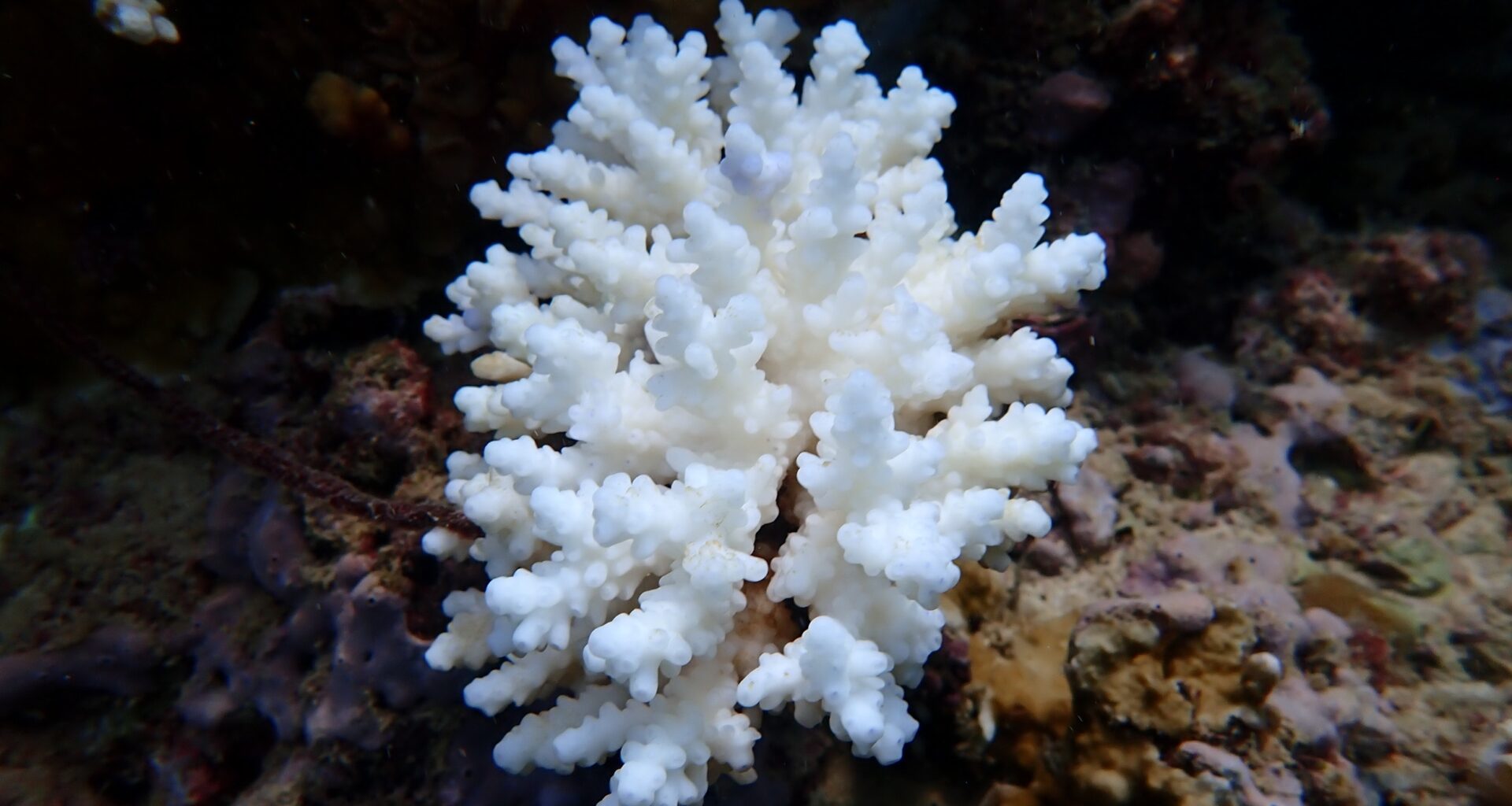
For years, the ocean has absorbed much of the damage from rising carbon dioxide. Warmer water puts stress on coral reefs and kelp forests. More acidic conditions make it harder for shellfish to survive.
In some areas, oxygen levels are dropping, forcing fish to leave places people have depended on for generations.
Climate change is also making storms stronger. Ports, harbors, and coastal roads are facing more flooding and more frequent damage. These are not distant problems. They affect food prices, jobs, trade, and public health right now.
Until recently, most economic models treated these impacts as side notes. They focused on land-based damage like heat waves, crop losses, and rising energy costs. The ocean, despite its central role in daily life, was largely ignored.
What we stand to lose
Scientists at Scripps Institution of Oceanography at the University of California San Diego led the effort to weave ocean damage into the social cost of carbon.
Without ocean damage included, the social cost of carbon is $51 per ton of carbon dioxide released into the air. With ocean impacts counted, the cost rises by another $46.2 per ton, reaching $97.2 per ton. That is a 91% increase.
“If we don’t put a price tag on the harm that climate change causes to the ocean, it will be invisible to key decision makers,” said environmental economist Bernardo Bastien-Olvera, the leader of the study.
“Until now, many of these variables in the ocean haven’t had a market value, so they have been absent from calculations. This study is the first to assign monetary-equivalent values to these overlooked ocean impacts.”
Why these numbers carry real weight
The social cost of carbon is not just an academic idea. U.S. agencies like the Environmental Protection Agency and the Department of Energy use it when weighing new rules and investments.
States rely on it when planning climate policies. It often paints a clearer picture of harm than the estimates behind carbon offsets or airline add-ons.
The study’s timing adds urgency. In 2024, global carbon dioxide emissions reached an estimated 41.6 billion tons.
When ocean damage is included, that single year of pollution carries nearly $2 trillion in ocean-related harm that does not appear in standard climate cost estimates.
Where the losses show up
The researchers looked beyond simple market losses. They counted declines in fisheries revenue and trade, but they also included non-market effects.
Reduced access to seafood affects nutrition and health. Fewer healthy reefs and beaches shrink recreation and tourism. There are also values that never appear on a receipt, like the satisfaction people get from knowing ecosystems still exist.
By the year 2100, market damages are projected to reach $1.66 trillion per year worldwide.
Losses tied to the inherent worth of ocean ecosystems add another $224 billion annually. Non-market impacts such as reduced nutrition from fisheries contribute $182 billion more each year.
Bastien-Olvera cautioned against treating these figures as interchangeable. A lost fishing job is not the same as the disappearance of a cultural tradition or a reef that once supported an entire community.
The blue cost of carbon
The study introduces what researchers call the “blue” social cost of carbon. It gives environmental decision makers a clearer tool for weighing trade-offs. Cost-benefit analysis shapes everything from emissions rules to corporate risk planning.
“Protecting the environment can have high up-front costs, so we need methods for thinking about the trade-offs we are making as a society,” said climate scientist Kate Ricke.
“There are things that people value and benefit from that aren’t easily monetized and the ocean is particularly challenging to assign monetary values. The blue social cost of carbon is a new framework to recognize these values.”
Ocean damage and climate policy
The damage is not spread evenly. Small island nations and coastal economies face outsized harm. Many depend heavily on seafood for daily nutrition.
As ocean warming reduces key nutrients in fish and shellfish, health risks rise. The study links losses of calcium, omega-3 fatty acids, protein, and iron to higher disease risk and additional deaths.
“The social cost of carbon can help you contextualize the costs of climate change,” said Bastien-Olvera.
“When an industry emits a ton of carbon dioxide into the atmosphere, as a society we are paying a cost. A company can use this number to inform cost-benefit analysis – what is the damage they will be causing society through increasing their emissions?”
By finally counting what happens beneath the waves, the study brings the ocean into a conversation it has been missing from for far too long.
The full study was published in the journal Nature Climate Change.
—–
Like what you read? Subscribe to our newsletter for engaging articles, exclusive content, and the latest updates.
Check us out on EarthSnap, a free app brought to you by Eric Ralls and Earth.com.
—–