Published on
January 18, 2026
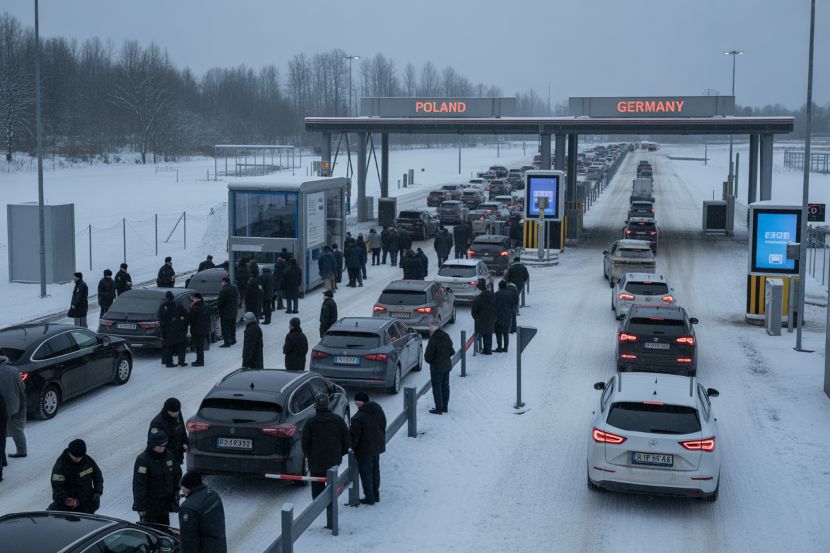
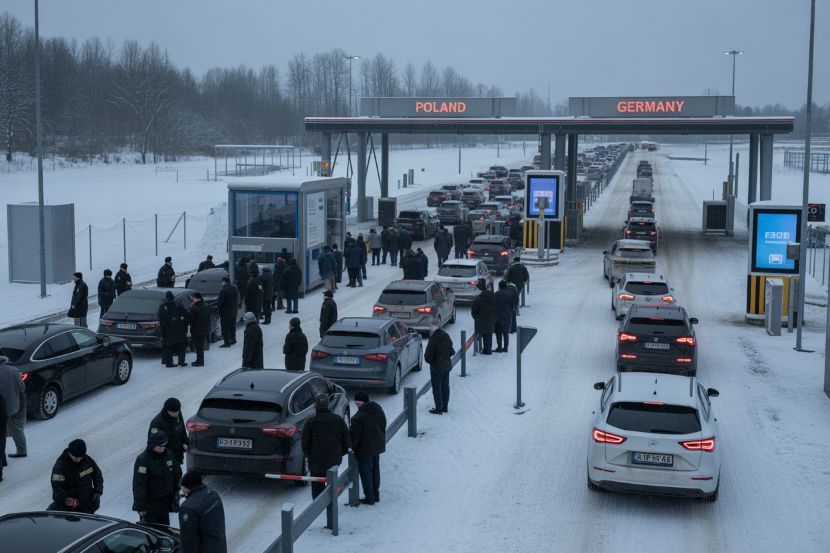
Poland has decided to extend border checks with Germany and Lithuania until April 2026, marking a crucial shift in the country’s approach to internal Schengen border control policies. This decision, taken by Poland’s Council of Ministers on 16 January, has major implications for both local commuters and tourists travelling across these borders. Originally introduced in July 2025, these checks were put in place to curb the secondary movement of migrants after their initial entry into the EU via countries like Belarus and the Baltic States. This regulation, which applies to both road and rail crossings, gives Poland’s Border Guard, police, and Territorial Defence units the authority to conduct checks and verify documents.
While these measures were initially temporary, they are now being extended for another 90 days, lasting until 4 April 2026, signaling a continued, cautious approach by the Polish government to control migration. For tourists and cross-border travelers, this prolonged border control policy could create delays at key checkpoints, especially in border towns like Wrocław, where commuters often report 5-15 minute delays. For truckers transporting goods into Poland’s automotive sectors, the situation is even more pressing, with half-hour delays becoming increasingly frequent.
Key Changes in Poland’s Border Policy and How They Affect Travelers
The extension of border checks at crossings between Poland, Germany, and Lithuania is a direct response to a rise in migrant traffic. Many of these individuals entered the European Union from Belarus or other Baltic countries and attempted to travel further into Germany via Poland. Polish officials point to a significant uptick in illegal crossings towards the end of the year, which triggered the government’s decision to maintain these controls.
These measures are not just a temporary inconvenience but are being used as a testing ground for technological innovations that could reshape the way borders are managed in the Schengen zone. The Polish government has started piloting new e-gates linked to the EU’s Entry/Exit System. This move could pave the way for the implementation of smart borders that will remain even after the temporary checks are lifted.
For travelers and tourists heading into Poland, this means an increased need for identification checks at various border points. Visitors are advised to have all necessary travel documents ready, including passports and residence cards, especially for those living in Germany but working in Poland.
What Tourists Need to Know: Impact on Travel Plans
If you are planning to travel across the Poland-Germany border or between Poland and Lithuania, expect some delays at checkpoints. Rail travelers and drivers should be aware of potential disruptions to their usual travel times. Travelers are advised to stay informed about any updates to border checks and to factor in extra time for travel, especially if using major border crossings like Świecko or Kuźnica Białostocka.
The situation is further complicated by e-gates being tested at border crossings. These automated systems are expected to increase efficiency, but for the time being, travelers should remain patient as these systems undergo trial runs. In some cases, the blockchain technology being piloted for freight containers could also affect travel routes, with delays possible for trucks transporting goods.
Tips for Cross-Border Travel During Extended Border ChecksCheck Crossing Times in Advance: If you’re traveling by car or train, check with local authorities or transport providers for the latest information on crossing times. Expect delays at peak times, particularly during the morning and evening commutes.Have Your Documents Ready: Always ensure you carry official identification such as a passport or biometric residence card when traveling across these borders. Having these documents ready will make your passage smoother and faster.Consider Alternative Routes: While border checks are in place at specific crossings, not all border points are affected. Research alternative routes that might offer faster crossings during peak hours.Stay Informed on Regulatory Changes: Border check policies can change rapidly. Stay updated through government portals and trusted travel news websites to ensure you’re not caught off guard by sudden shifts in regulations.Expect Smart Border Technology Trials: Keep in mind that Poland is piloting smart border technologies, including e-gates and blockchain-sealed freight containers, which may enhance efficiency in the long run. However, for now, there might be some trial and error during your travels.The Future of Border Controls and Tourism in the Schengen Zone
As Poland continues to test new technologies and extend border checks, the long-term outlook for the Schengen area remains uncertain. While the policy is meant to address migrant flows, it also has broader implications for tourism and cross-border business activities. The experience gained from these temporary checks will likely influence future decisions on border management within the EU Schengen zone.
One possible outcome is the eventual implementation of permanent smart borders, which could redefine how travelers experience border crossing in the EU. Such technologies could streamline travel for tourists, but travelers may also face new challenges as the EU moves towards more digitally managed borders.
In the meantime, tourism businesses in Poland and border regions should prepare for the continuation of these measures, updating their travel-risk assessments and informing travelers about the potential impact on their journeys.
