Published on
January 18, 2026
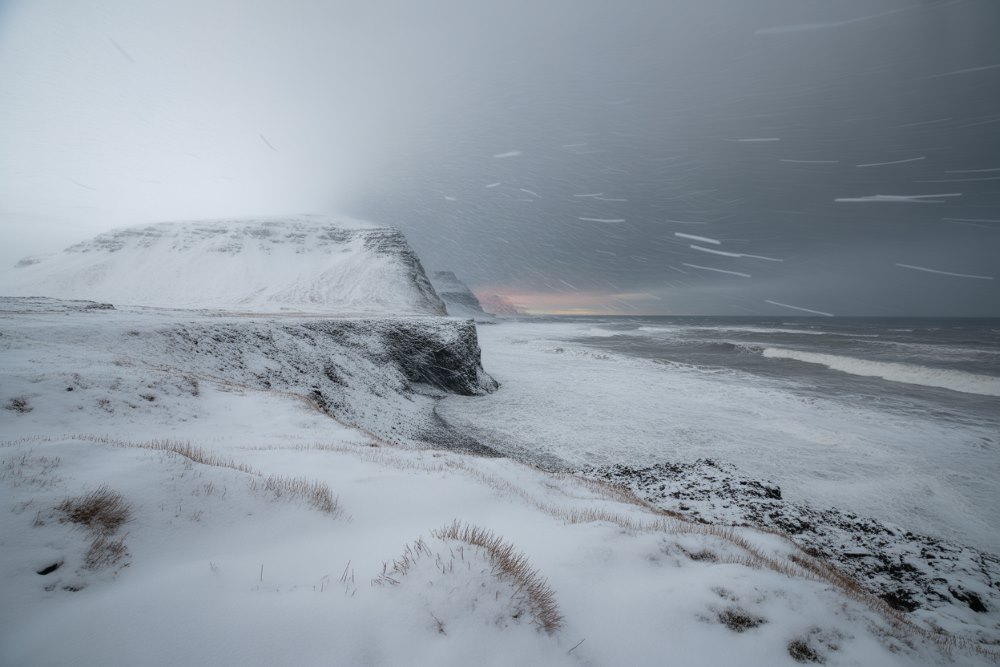
As winter storms sweep through Iceland, the Icelandic Meteorological Office (Veðurstofan) has issued a yellow weather warning for strong winds, set to impact travel in the south and west of the island on January 18 and 19, 2026. The winds, which are expected to reach speeds of 18-25 metres per second (65-90 km/h) with gusts up to 40 m/s (144 km/h), have prompted authorities to issue this important travel advisory. If you’re planning to visit, here’s what you need to know to stay safe.
Iceland’s Wind Storm: A Brewing Challenge for Tourists
Iceland’s unpredictable winter weather is on full display this week. Strong southeasterly winds are expected to batter the island, particularly in Western Iceland, where Breiðafjörður, Northern Snæfellsnes, and the Southern Westfjords will bear the brunt of the storm. Local authorities are urging tourists to heed the yellow warning, as these winds, paired with rain and sleet showers, may cause significant disruptions to travel plans and outdoor activities.
What Does a Yellow Weather Warning Mean for Iceland’s Tourists?
A yellow weather warning signals noticeable weather that could affect outdoor activities, travel, and visibility. In Iceland’s case, this means dangerous gusts could make driving treacherous, especially for high-sided vehicles and anyone travelling in exposed conditions. For tourists, it’s crucial to adjust plans, remain updated on weather changes, and avoid risky travel if possible. Wind gusts in the Breiðafjörður area could reach 40 m/s, which can be potentially hazardous, particularly along coastal roads.
Wind Gusts Could Impact Iceland’s Roads and Visitors
While the yellow warning doesn’t indicate an immediate life-threatening situation, it is certainly enough to raise concern for tourists venturing into exposed areas. Coastal and elevated roads—particularly those in the south and west—are vulnerable to disruption. With gusts as high as 144 km/h, vehicles, particularly those driving campervans, buses, or trailers, may face dangerous conditions, including blowing snow, low visibility, and slippery roads.
Roads in the Southern Westfjords and Breiðafjörður, where coastal exposure is greatest, will be the most impacted. Tourists are urged to take caution when planning any road trips in these areas.
Travel Disruptions Expected: What Tourists Should Know
Weather forecasts predict rain and sleet showers across much of the southern and central regions of Iceland, potentially slowing traffic and limiting visibility on already challenging roads. While the north may stay relatively drier, winds of 25 m/s can still cause disruption, especially in exposed, highland areas. For tourists looking to explore Iceland’s natural beauty, outdoor activities like hiking and sightseeing may be difficult or unsafe in certain locations.
As the storm moves through, visibility on mountain roads and high-altitude areas may be further reduced, so those planning trips to popular destinations such as Snæfellsjökull National Park or Þingvellir National Park should remain flexible in their itinerary.
What Should You Do During a Yellow Warning in Iceland?Check the Weather Forecast: Always stay up-to-date with the Icelandic Meteorological Office (Veðurstofan) for real-time updates on weather changes and wind speed.Monitor Road Conditions: Visit the Icelandic Road Administration (Vegagerðin) website for updates on road closures, weather advisories, and local disruptions.Limit Travel in Windy Areas: If possible, avoid driving in coastal areas or exposed routes such as the Westfjords, where conditions can become quickly hazardous.Plan for Flexibility: Be prepared to modify travel plans and stay indoors or in safe locations until conditions improve. Keep in mind that Iceland’s weather can change rapidly, and flexibility is key to safety.Iceland’s Winter Conditions: Always Be Prepared
For tourists, Iceland’s winter weather is both a beautiful experience and a serious consideration for safety. The yellow warning serves as a reminder of how quickly conditions can turn dangerous. However, Icelandic authorities remain committed to ensuring tourists are well-informed and prepared.
For those still planning to explore the island during this period, keep in mind that while southeasterly winds are expected to reduce in intensity later on January 19, conditions could remain challenging well into the night. As the storm moves through, the national weather services will provide ongoing updates, so it’s crucial to stay informed and adjust your plans accordingly.
