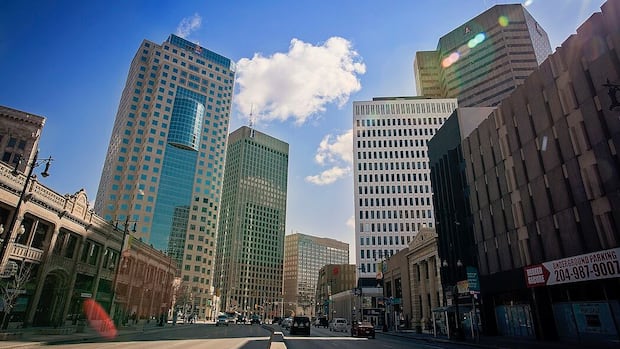
As the City of Winnipeg celebrates surpassing a population of 850,000 people, one University of Manitoba expert warns that slowing growth may lead to an overall decline in the coming years.
There were 850,260 Winnipeggers as of July 1, 2025, new population estimate data from Statistics Canada shows.
Mayor Scott Gillingham said it’s a “significant milestone” that comes with opportunities and challenges.
“It’s good news that people are choosing Winnipeg and our city is growing,” Gillingham said.
“It creates a sense of momentum in many ways. Now that we’ve reached the 850,000 population threshold, that’s a significant threshold. That’s only 150,000 people away from a million people in Winnipeg proper,” he said.
Despite the overall increase, Winnipeg’s population growth last year was the slowest it’s been since the COVID-19 pandemic, according to Statistics Canada. The population grew by only 0.9 per cent between the end of 2024 and July 2025 — adding 8,245 people.
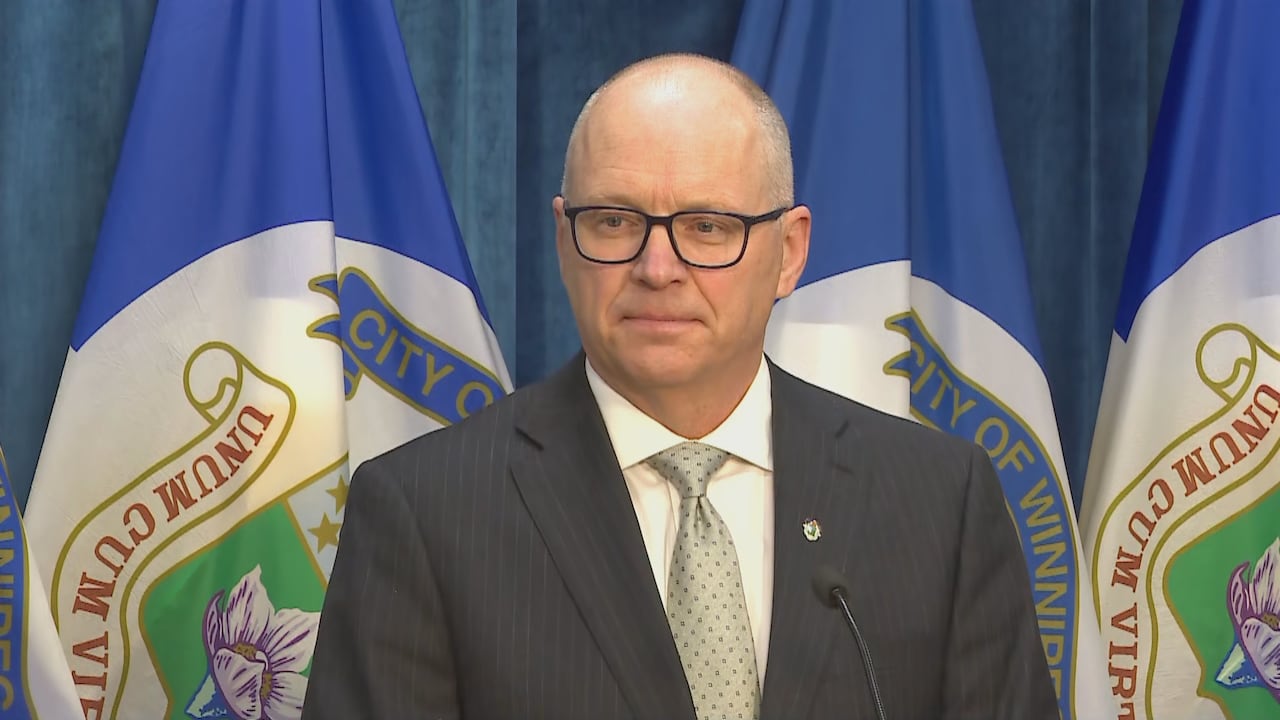
Winnipeg Mayor Scott Gillingham said surpassing a population of 850,000 people is a ‘significant milestone’ for the city. (Travis Golby/CBC)
Winnipeg saw a 3.2 per cent increase the previous year, with 26,821 more people moving to the city in 2024 compared to 2023.
Statistics Canada said population growth slowed across each of Canada’s census metropolitan areas as of July 1, 2025, compared to the previous year due to changing federal immigration policies that limit non-permanent residents.
Lori Wilkinson, a sociology professor at the University of Manitoba who specializes in immigration, said Canada is expected to see a population decline in the near future due to low birth rates, an aging population and new immigration limits.
“By all accounts we’re gonna be losing more people rapidly in the next couple of years then we will be gaining people,” Wilkinson said.
She said “immigration plays the biggest role in population growth” and slower immigration increases will have a major impact unless provincial or federal governments move to change that.

University of Manitoba sociologist Lori Wilkinson says it ‘might be a bit premature,’ to celebrate Winnipeg reaching a population of 850,000 people. (Submitted by Lori Wilkinson)
Manitoba saw its population dip by 0.2 per cent in the third quarter of 2025, Stats Canada said. That’s about 2,645 fewer Manitobans between July and September, Wilkinson said.
“So we’re not even in a plus range right now. We’re in a deficit range,” she said.
That decline could mean the 850,000 total population figure increase the city is touting may change as more recent data becomes available.
Still, the mayor said he’s confident Winnipeg will keep growing.
“If there’s been a dip, I’m confident over the next few months, years ahead, overall net, we’ll see increases again,” he said.
Winnipeggers notice ‘a lot more hustle and bustle’
As more people move to Winnipeg — even at slower rates, compared to previous years — Winnipeg residents say they’ve noticed the city’s streets getting busier.
“You notice there’s definitely a lot more people here for sure,” said Colin Roberts, adding he’s noticed “a lot more hustle and bustle” since moving back to the city.
It’s a largely positive change, he said.
“If we can get more diversity and more people here, I don’t see why it would be a bad thing at all,” Roberts said.
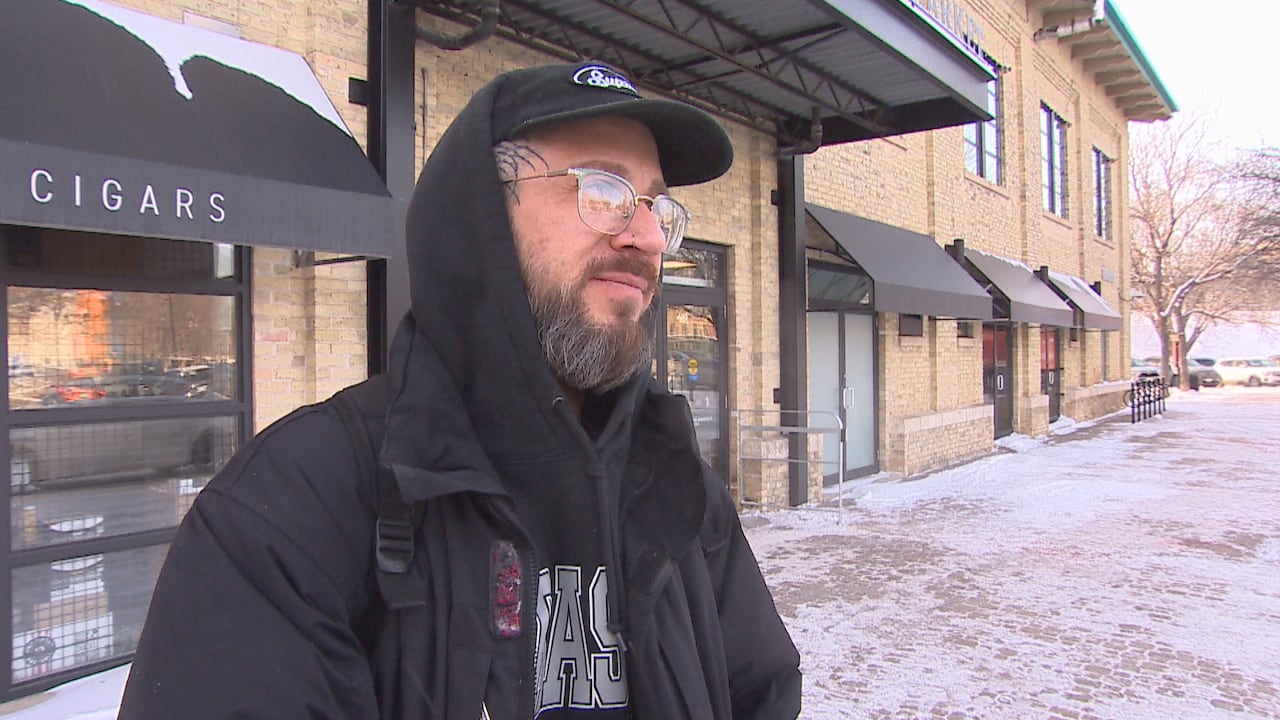
Colin Roberts said he’s noticed ‘a lot more hustle and bustle’ since moving back to Winnipeg (Travis Golby/CBC)
Marla Paul-Merasty, who was born and raised in Winnipeg, said “we have way too many people right now,” and worries about the negative impact a growing population will have on access to health care or education.
Thomas Cram said the traffic in his Osborne Village neighbourhood has gotten “crazy” as more people move to town.
“I think you can tell that we are growing at such a crazy rate,” Cram said. “The city has turned into a thoroughfare for cars and I think the congestion and the population growth, that the neighbourhood is having a hard time handling it.”
But the increase in population has also brought positive changes, he said.
“I think Winnipeg is kind of outgrowing its reputation as a boring city, both in terms of arts and culture, and I think the population boom has something to do with that,” Thomas Cram said.
For Wilkinson, the city surpassing the 850,000 threshold is “good from a population growth perspective” but she worries the future, with its expected decline in growth, “might not be so rosy.”
“I think the celebration about 850,000 people here might be a bit premature,” she said.