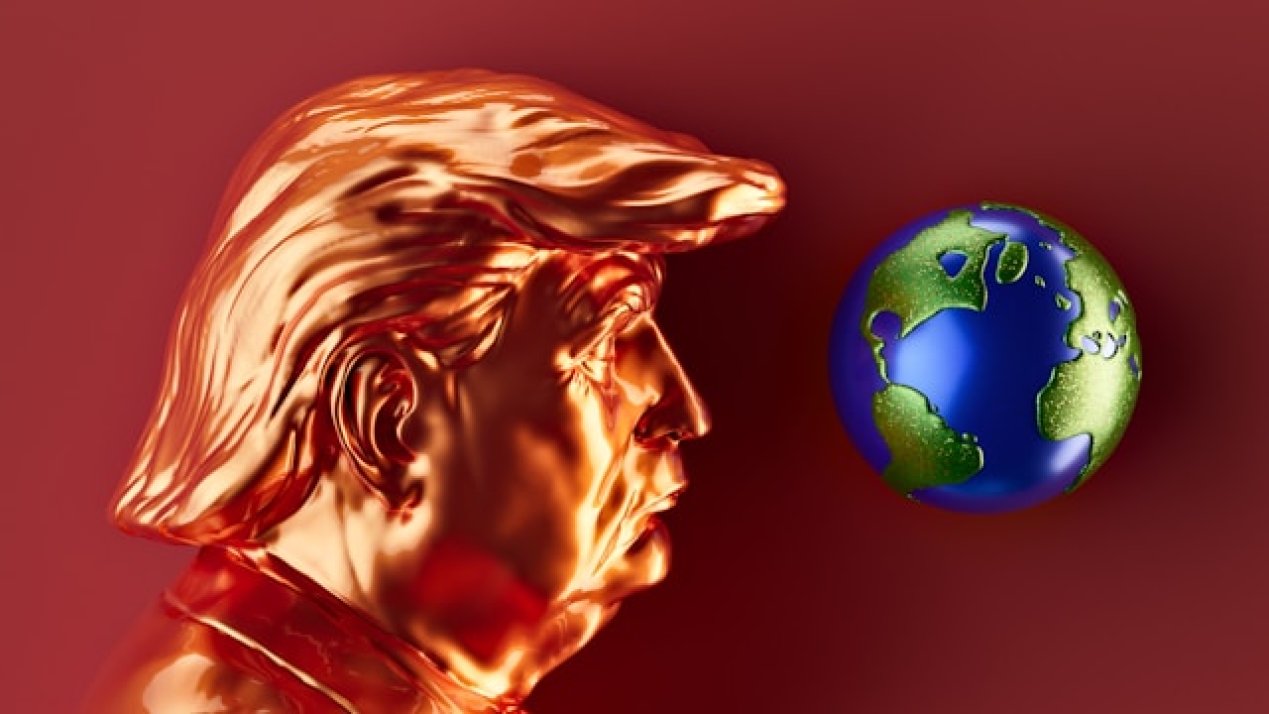
Geopolitical tensions, the energy transition, and cautious capital deployment are set to define the mining sector in 2026. According to Wood Mackenzie, rising uncertainty in China and the United States, technological shifts in energy and battery metals, and safe-haven demand for gold and silver are reshaping commodity markets and investment strategies, highlighting a year of navigating complexity for miners and investors alike.
Peter Schmitz, Director of Global Copper Markets Research, WoodMac, described the year ahead as one of “navigating complexity,” with the move from fossil fuels to electrification increasingly influenced by political decisions and investor prudence.
Central to Wood Mackenzie’s outlook is significant economic uncertainty, largely driven by developments in China and the United States. In China, the forthcoming 15th Five-Year Plan, expected in the first half of 2026, marks a shift from infrastructure-led growth toward policies that prioritize consumer spending. How Beijing manages the balance between stimulating demand and controlling deflation will have a major impact on global commodity markets. According to Schmitz, the results could range from aggressive consumer incentives to more cautious, resilience-oriented measures.
In the United States, the midterm elections could complicate fiscal policy and introduce additional uncertainty. Trade relations, particularly around tariffs and the evolving US-China economic dynamic, are also expected to shape investment decisions throughout the year
Energy Transition, Technology
Wood Mackenzie expects the energy transition to continue largely independently of short-term political cycles. The firm slightly adjusted its baseline global warming outlook to 2.6 degrees, reflecting slower decarbonization than previously anticipated. Renewable energy will remain a cornerstone of global energy security, but the path forward is expected to be uneven.
Technological advancements in 2026, such as the commercialization of solid-state batteries, could reshape demand for critical battery metals. AI-driven efficiency improvements in data centers and automation may paradoxically increase overall energy and metal consumption, highlighting potential effects.
Commodity trends are expected to diverge. Copper is likely to stay in focus due to ongoing supply disruptions, while other metals may experience oversupply, keeping prices under pressure. Precious metals like gold and silver could benefit from central bank purchases and their status as safe-haven assets during periods of uncertainty.
Investment Discipline
Wood Mackenzie anticipates mining firms will adopt conservative capital strategies, prioritizing M&As and returns over new greenfield projects. This caution is a response to prior overinvestment cycles and growing competition from state-backed Chinese firms with longer planning horizons and higher risk tolerance.
Prolonged supply constraints may prompt manufacturers to switch to alternative materials, a trend already visible in copper-aluminium substitution. Resource nationalism adds complexity, as countries with abundant reserves become more selective with development partners, extending project timelines. Smaller, more nimble companies may take on more new projects, while major miners consolidate existing assets.
Geopolitical Shifts Are Reshaping Precious Metals
Wood Mackenzie’s assessment that metals are increasingly influenced by geopolitical shifts is already evident. In January, gold and silver reached record highs as investors sought safe-haven assets amid mounting geopolitical and economic uncertainty.
The latest surge followed US President Donald Trump’s threat of additional tariffs on European countries over the Greenland dispute. On Jan. 19, spot gold was up 1.6% at US$4,669.09/oz, after touching a peak of US$4,689.39/oz, while US gold futures for February delivery rose 1.7% to US$4,674.10/oz. Trump escalated tensions last week by threatening a series of increasing tariffs on European allies unless the United States is permitted to purchase Greenland, intensifying the dispute.
“When institutional and political risks resurface, markets often react quickly by reallocating toward safe-haven assets, with gold once again emerging as the preferred choice,” said Linh Tran, Senior Market Analyst, XS.com.
Equities and the US dollar weakened as Trump’s latest tariff threats increased investor demand for gold, the Japanese yen, and the Swiss franc, reflecting a broad risk-off sentiment across global markets. Other precious metals also advanced, with spot silver climbing 3.5% to US$93.17/oz after reaching a record high of US$94.08, marking a year-to-date gain of more than 30%. Spot platinum rose 1.2% to US$2,355.70, and palladium added 0.4% to US$1,806.70.
Earlier in the month, precious metals experienced notable gains following the United States’ capture of Venezuelan President Nicolás Maduro. On Jan. 5, gold prices climbed more than 2%, reaching weekly highs as investors shifted toward traditional safe-haven assets amid heightened risk sentiment.
The rally continued on Jan. 12, when gold and silver again reached record levels after the Trump administration announced a criminal investigation into Federal Reserve Chair Jerome Powell, raising concerns over US monetary policy and adding a political risk premium to financial markets. Spot gold climbed 1.9% to US$4,596/oz briefly touching US$4,600, while US gold futures rose 2.3% to US$4,606. Silver surged to US$84.3/oz, with platinum and palladium also posting significant gains.
Mexico Leads Latin America’s Mining M&A Surge Amid Global Uncertainty
Wood Mackenzie’s outlook is already reflected in M&A activity. Global mining deals reached nearly US$30 billion in the first three quarters of 2025, with Latin America capturing roughly 75% of total deal value. Mexico exemplifies this trend, attracting capital due to its high mining potential and strategic position.
The Future Minerals Barometer Report 2025, produced by McKinsey & Company with S&P Global Market Intelligence, Global AI, and GlobeScan, underscores a growing imbalance between mineral reserves and investment. While Africa, West Asia, and Central Asia hold over half of critical mineral deposits, limited exploration funding raises long-term supply concerns. Latin America, in contrast, has seen deal values rise over 200% since 2021, reflecting investors’ preference for predictable policies and streamlined permitting.
In Mexico, 2025 transactions illustrate this trend: Guanajuato Silver’s conditional acquisition of Bolanitos, Goldgroup Mining’s San Francisco Mine purchase, Silver Wolf Exploration’s Ana Maria and El Laberinto deals, and Mexican Gold Mining’s Tatatila Project consolidation showcase the country’s rising appeal as a high-potential jurisdiction for M&A activity.