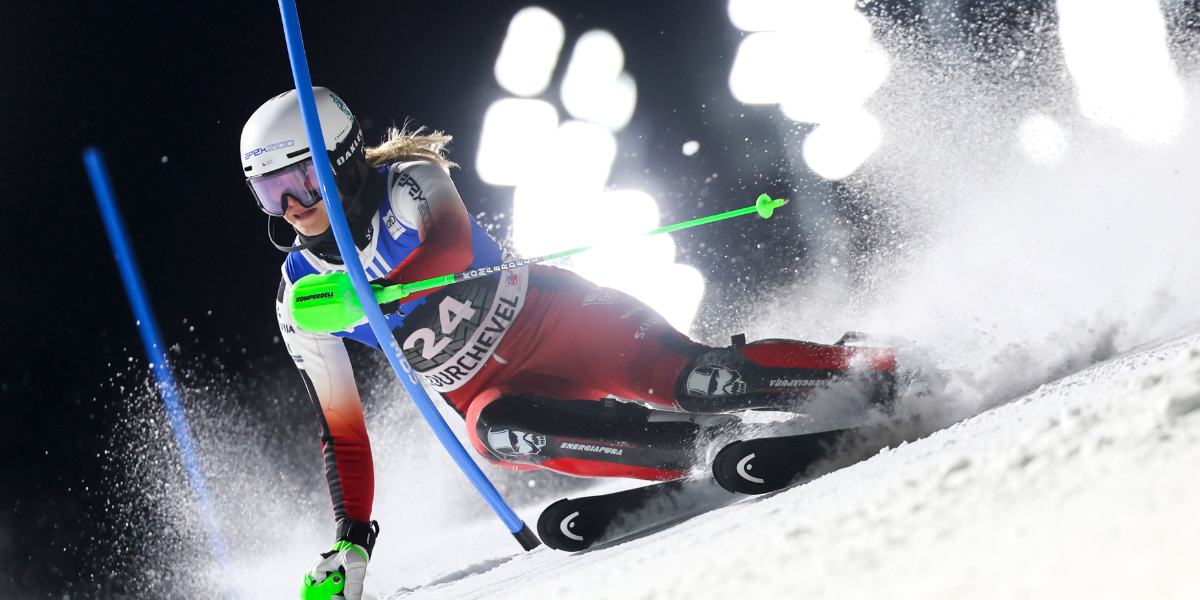
Dženifera Ğērmane/ GEPA Pictures
Dženifera (Jenny) Ğērmane grew up in Valmiera, a town in northern Latvia near the Estonian border, where winter meant frozen fields, not alpine peaks. Latvia has no real mountains, no deep ski racing culture, and few pathways to the World Cup. Yet at just 22 years old, Ğērmane is now a consistent World Cup point scorer in slalom, fresh off a personal-best result and quietly working her way into the Olympic conversation.
Her rise has not been fast, easy, or linear. It has been shaped by long winters away from home, family sacrifice, repeated injuries, financial uncertainty, and a stubborn love for skiing that never fully went away.
A Childhood Built on Sacrifice
“There are no mountains in Latvia. It’s very flat,” Ğērmane has said, laughing at the contrast between her home country and the places she now races.
Skiing entered Ğērmane’s life through her mother, a former skier who initially insisted she never wanted her children to race. Family holidays to the mountains changed that. Jenny and her brother took to skiing immediately, spending hours on small hills and asking for more.
By the time Jenny was eight, her parents made a decision that would redefine the family’s life. Each winter, they left Latvia and moved to Austria so their children could train and race. They stayed until April, returned home to finish school, and repeated the cycle year after year.
It was exhausting and expensive, but it worked. Ğērmane raced in Austrian regional circuits and later in U14 and U16 events, learning to survive in one of the deepest youth systems in the world. The level was higher, the expectations sharper, and the competition relentless, but it made her love the sport.
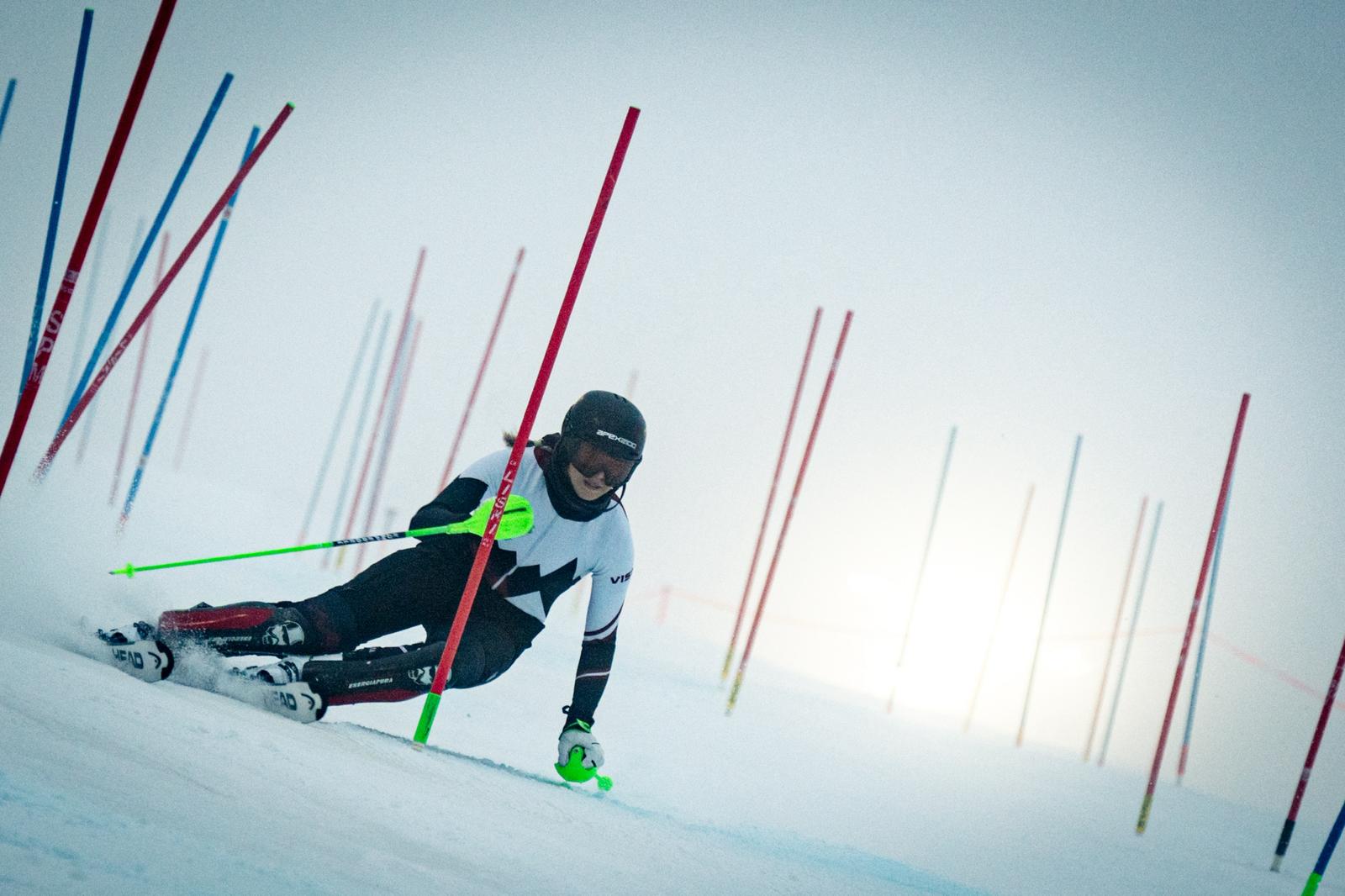 Dženifera (Jenny) Ğērmane. Photo by: Emilija Skapare.
The Injuries That Wouldn’t Stop Coming
“I think I’ve skied one full season without injuries,” Ğērmane once said. “That was my first year with Apex.”
Just as Ğērmane’s career began to take shape, her body started to fail her. At 17, during her first season with an Italian private team, she broke her collarbone. The injury wiped out her entire winter and cost her a chance to race at the Olympics. Worse still, it marked the beginning of a pattern.
Over the next five seasons, she managed just one fully healthy year. Knees became the recurring problem. Cartilage damage, meniscus issues, and long rehab blocks kept interrupting any momentum she built.
By her late teens, the setbacks were no longer just physical. With limited federation support and few sponsors in Latvia, her parents were funding nearly her entire career. Eventually, they told her they could no longer afford a full season.
For the first time, quitting felt real.
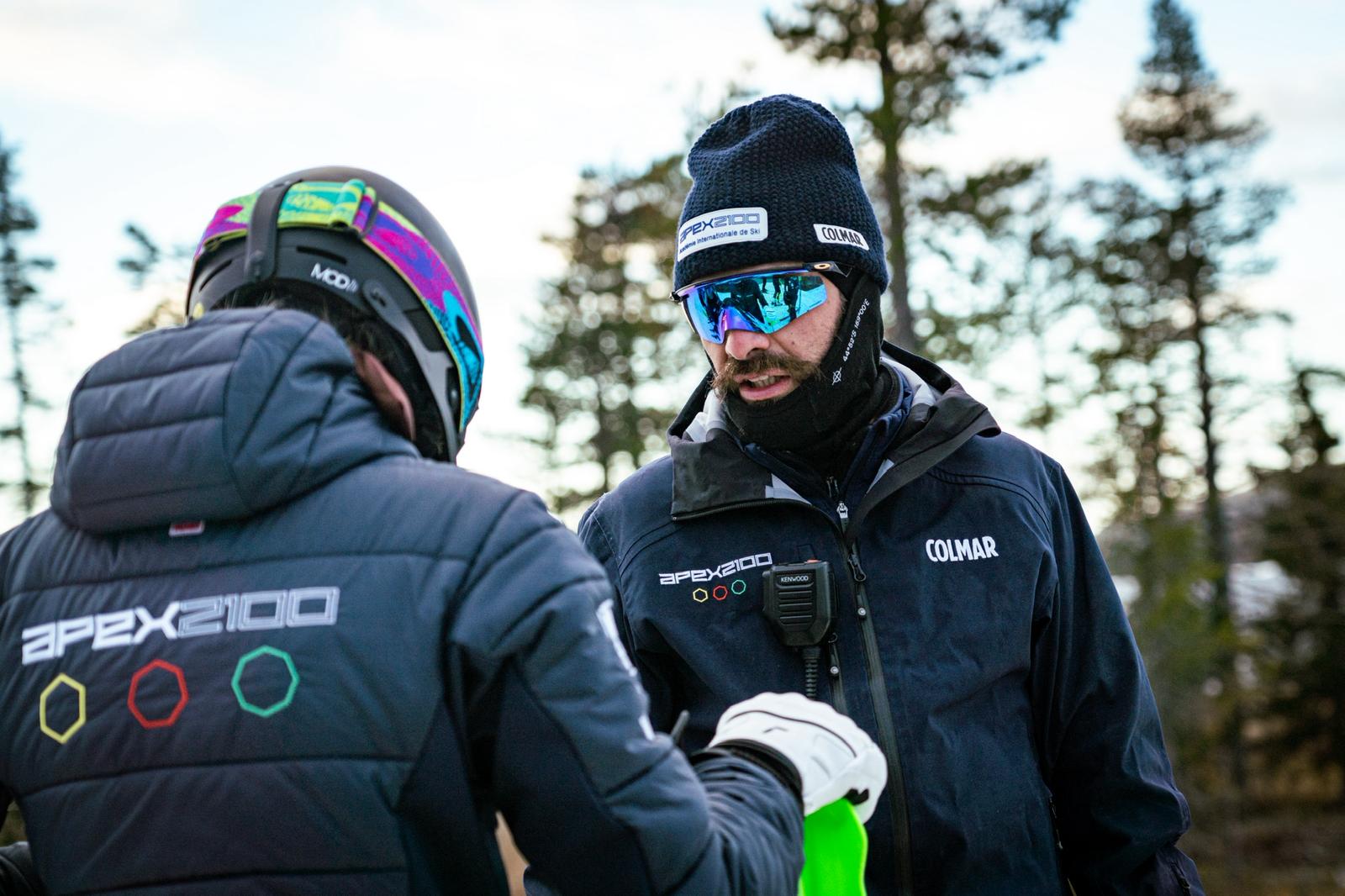 Dženifera (Jenny) Ğērmane with her coach, Simo Calissano. Photo by: Emilija Skapare.
A Last Chance in New Zealand
“I didn’t even know what Apex was,” she admitted later. “I had only talked to my coach on Zoom. It was a total shot in the dark.”
The opportunity that saved her career arrived quietly. Ğērmane was offered a place with Apex 2100 International Ski Academy in Tignes, France, under the guidance of Sasha Rearick, Head of Alpine Performance. She barely knew what Apex was. She had never met her future coach in person. Their only conversations had taken place over Zoom.
It was a leap of faith, but she said yes.
That decision took her to New Zealand for summer training. For the first time in years, her body cooperated. She stayed healthy. Her skiing stabilized. The pieces finally started to fit together. That season, she earned a surprise World Cup start and scored points. What had once felt like a career on life support suddenly had oxygen again.
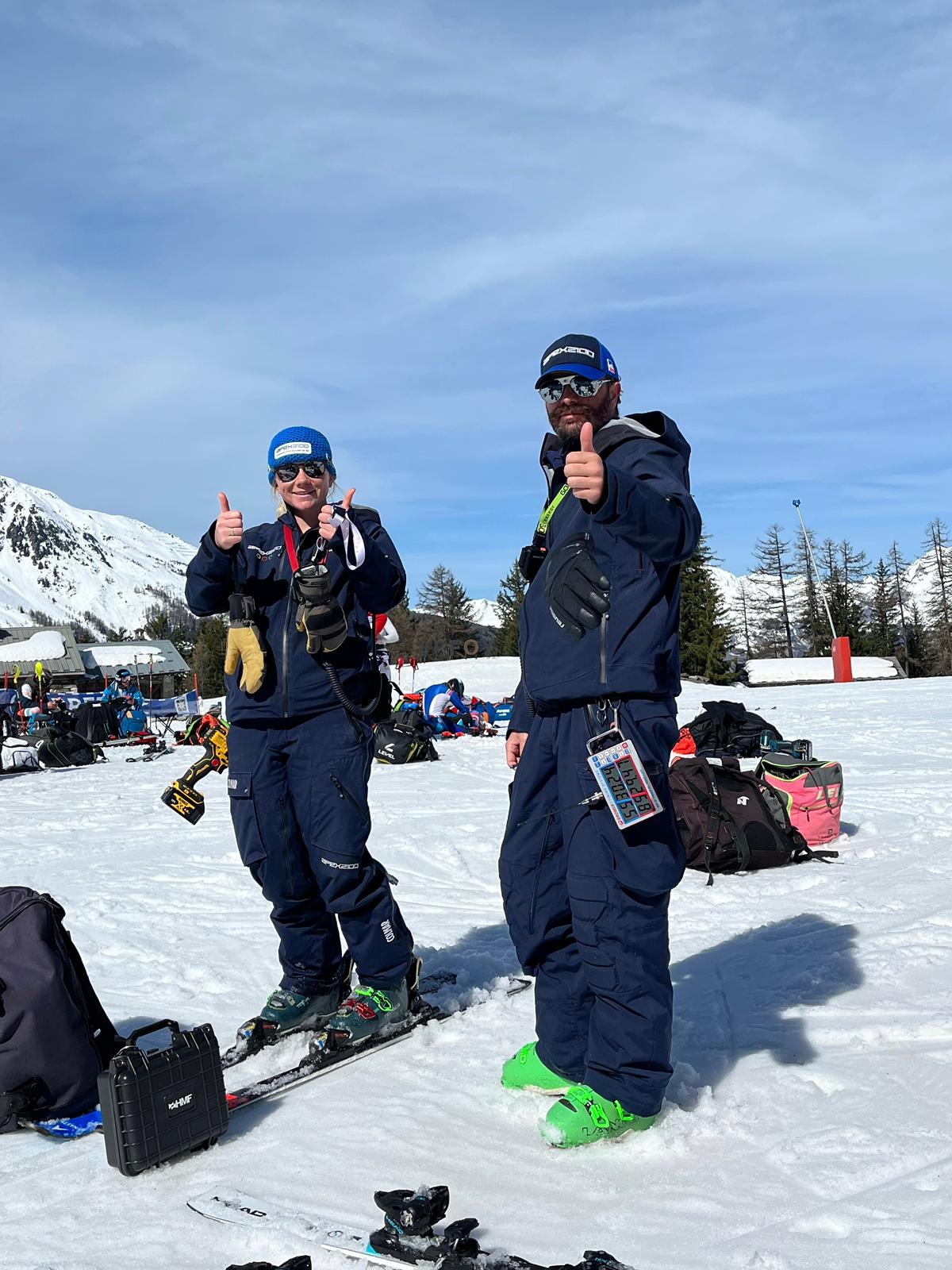 Apex coaches, Lucy Brown and Simo Calissano. Provided by Dženifera Ğērmane.
Learning How to Come Back
“I didn’t want to leave any regrets,” she said after her breakthrough second run. “So I just tried to push, and it worked out.”
The comeback story did not end there.
Last winter, after racing two World Cup events, Ğērmane suffered another knee injury involving cartilage and meniscus damage. It was not considered “major,” but it sidelined her for most of the season.
Instead of rushing back, she and her team shut things down. She stayed off snow for months and focused entirely on rebuilding her body. When she finally returned to racing this winter, she did so with limited preparation and no real idea where she stood. The uncertainty showed early. But within weeks, the results began to come.
Two top-10 finishes were followed by a personal-best World Cup result, capped by an aggressive second run that vaulted her up the standings. The confidence returned just as quickly as it had disappeared.
A Different Athlete Now
“I just focus on what I can control, what I do every day and how I react,” Ğērmane has said. “There’s no point wasting energy on things you can’t change.”
Years of injury have changed the way Ğērmane approaches skiing. She no longer takes a single training day for granted. Physical preparation, recovery, and knee management are now part of her daily routine, supported by Apex’s performance staff and Latvian physiotherapists. Icy slopes, rutted courses, and heavy winter schedules require careful planning.
Mentally, she is calmer than she was as a teenager. Instead of chasing results, she focuses on routines, execution, and what she can control. The pressure that once felt overwhelming has been replaced by perspective. She traces that mindset back to her childhood, when skiing was still mostly about family and fun, not rankings.
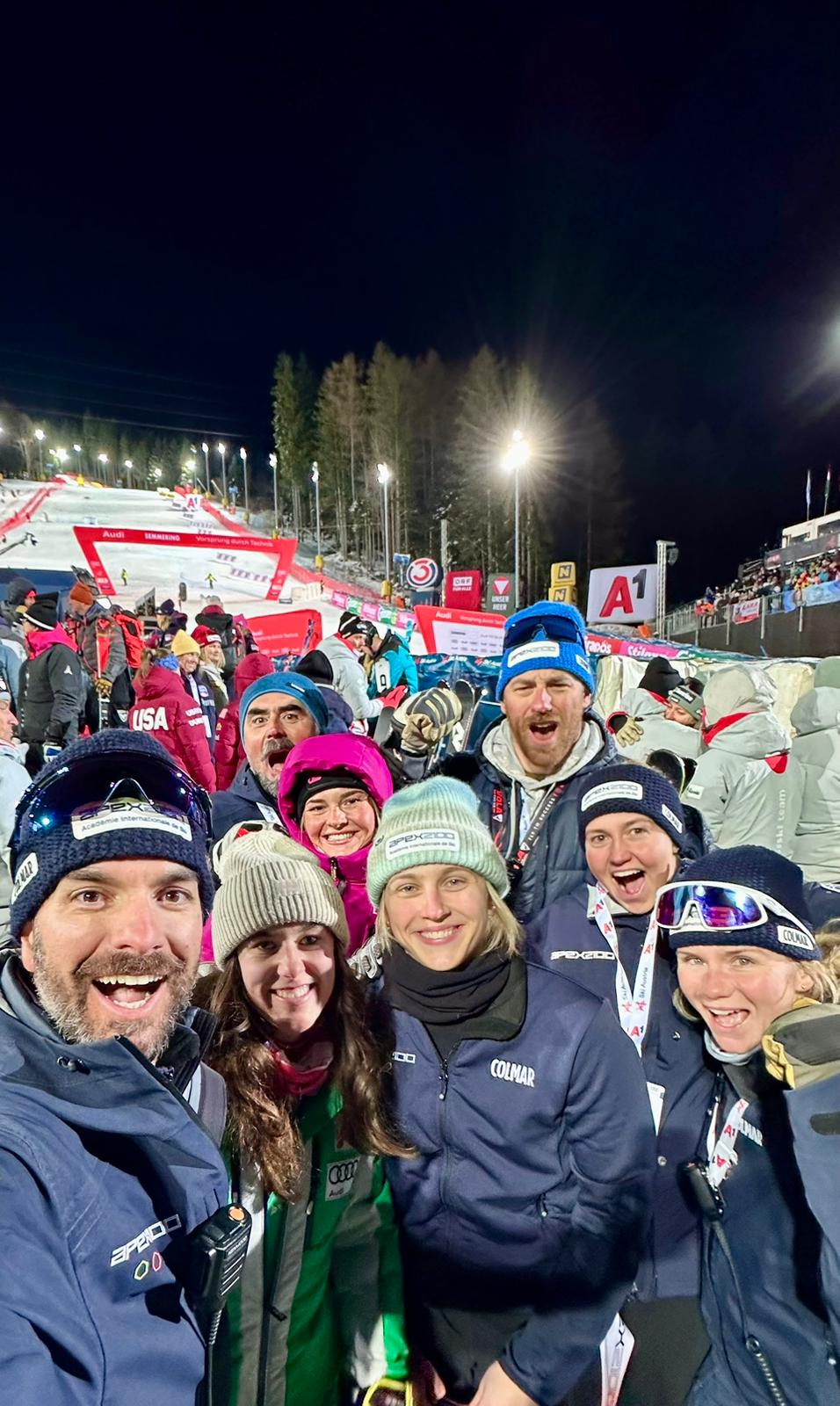 Dženifera Ğērmane with her Apex team and coaches. Provided by Dženifera Ğērmane.
The Olympic Picture Comes Into View
“That feels really special,” she said of the Olympic possibility. “But I’ve always seen the World Cup as the main thing. The Olympics are important, but a lot has to align on one day.”
With consistent World Cup points this season, Ğērmane is now on track to qualify for her first Olympic Games and potentially earn a second women’s quota spot for Latvia. It is the kind of milestone she once thought she had missed forever.
But she refuses to build her season around it. The World Cup remains the priority. The Olympics are something that may happen if enough things align on one day, on one run. For now, her focus remains narrow. Race by race. Day by day.
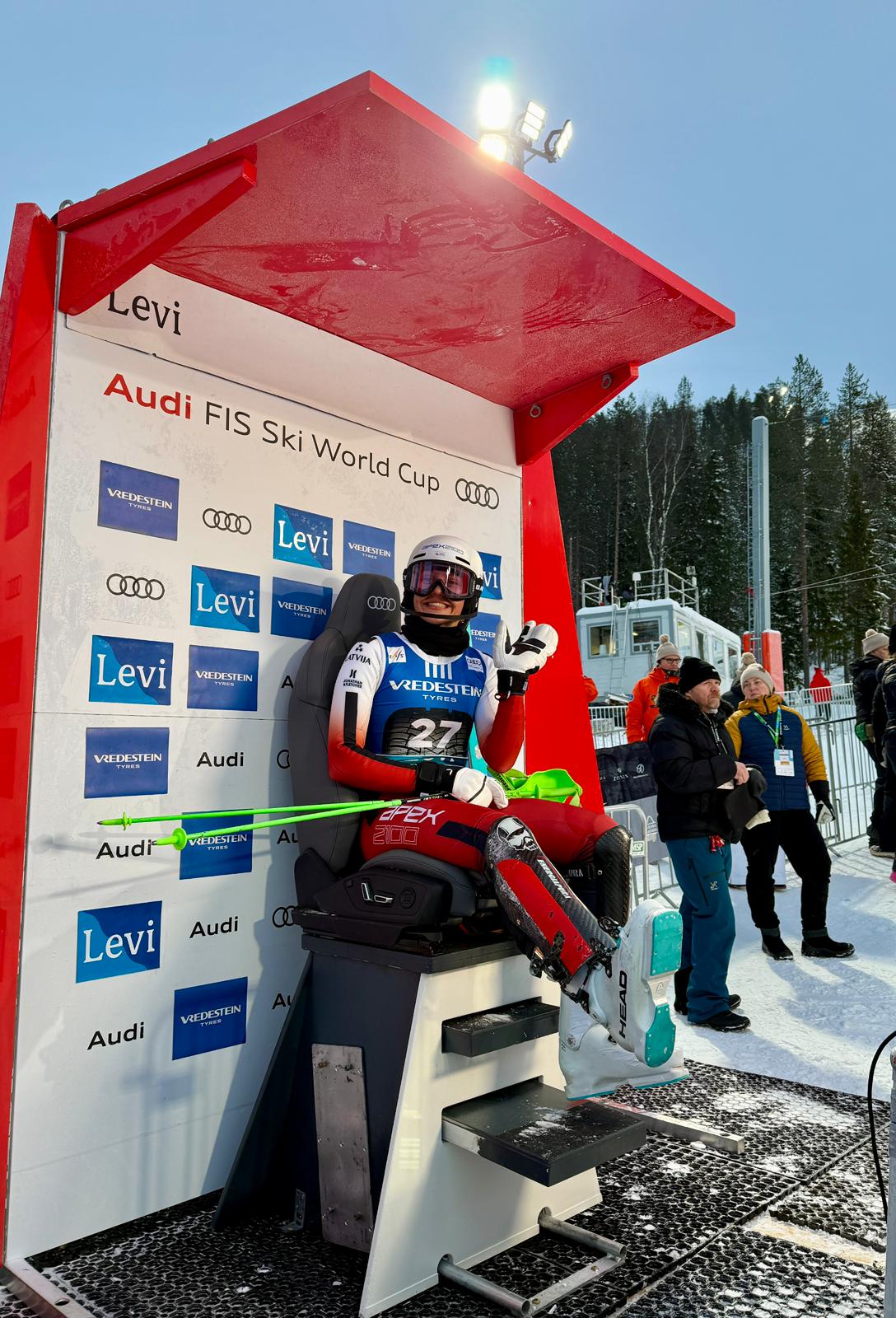 Dženifera Ğērmane racing in Levi World Cup where she came in 21st place. Provided by Dženifera Ğērmane.
More Than Just a Racer
Away from the start gate, Ğērmane is disarmingly normal. She loves time with her family, her friends, and her two golden retrievers, who occasionally travel to races and steal attention from fellow athletes.
She speaks Latvian and English fluently, understands German, and laughs about the countless ways announcers mispronounce her name. She introduces herself as “Jennifer with an ‘a’ at the end,” and often tells people to just call her Jenny.
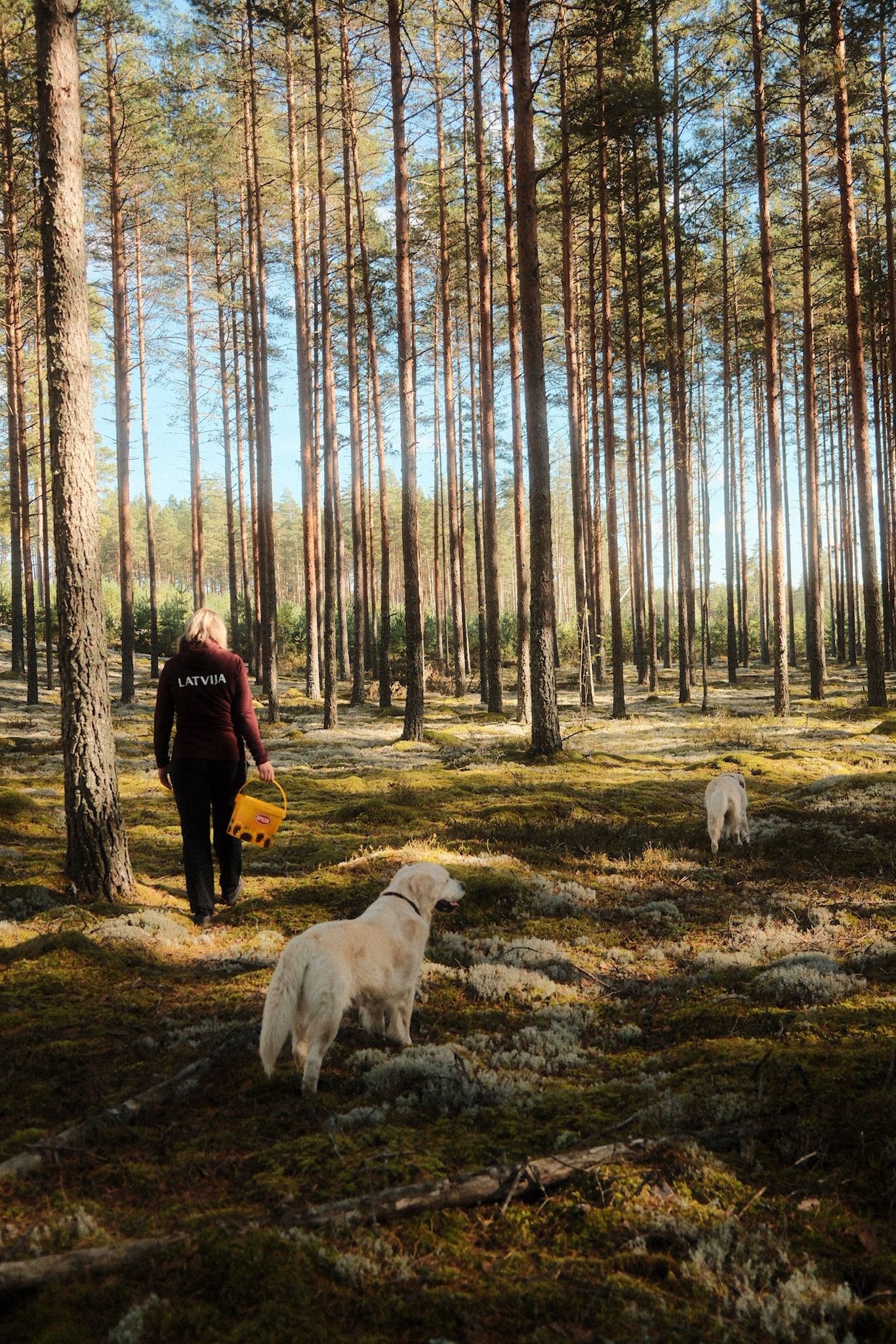 Dženifera Ğērmane walking with her dogs.
 Still Climbing
Dženifera Ğērmane’s career is still unfolding, but her story is already one of the World Cup’s most improbable. From a flat Baltic nation to the slopes of the World Cup. From nearly quitting to personal-best finishes. From long rehab winters to Olympic possibility.
What has carried her through is not hype, money, or luck. It is persistence. Family sacrifice. And a quiet love for skiing that never disappeared, even when her career almost did.