Published on
January 24, 2026
In 2025, Hungary, along with Austria, Poland, Latvia, Croatia, and Finland, played a pivotal role in Europe’s extraordinary tourism boom, achieving record-breaking tourist arrivals and economic growth. This remarkable surge was driven by a combination of factors, including improved infrastructure, targeted marketing campaigns, unique cultural offerings, and a renewed global interest in European destinations post-pandemic. With cities and regions across the continent drawing millions of visitors, these nations not only exceeded their tourism targets but also set new benchmarks for success, ensuring Europe remains the world’s top travel destination.
The year 2025 marked a revolutionary chapter in the history of European tourism, with several nations setting new records in tourist arrivals, revenue, and infrastructure demand. Leading this powerful surge was Hungary, which saw an explosive growth in its tourism sector, smashing previous records. But Hungary wasn’t alone—Austria, Poland, Latvia, Croatia, and Finland also experienced seismic growth in their tourism industries, redefining Europe as the undisputed leader in global tourism.
From historic capitals to stunning coastlines, Europe became the playground of millions in 2025, attracting travelers with its mix of heritage, nature, and adventure. As countries recalibrate their tourism strategies and introduce cutting-edge technologies to handle increasing demand, Europe’s tourism landscape is changing forever. Let’s dive into the details, country by country, to explore how each nation accelerated its travel boom and emerged as a top tourist destination.
Hungary: A Landmark Year of Unprecedented Growth
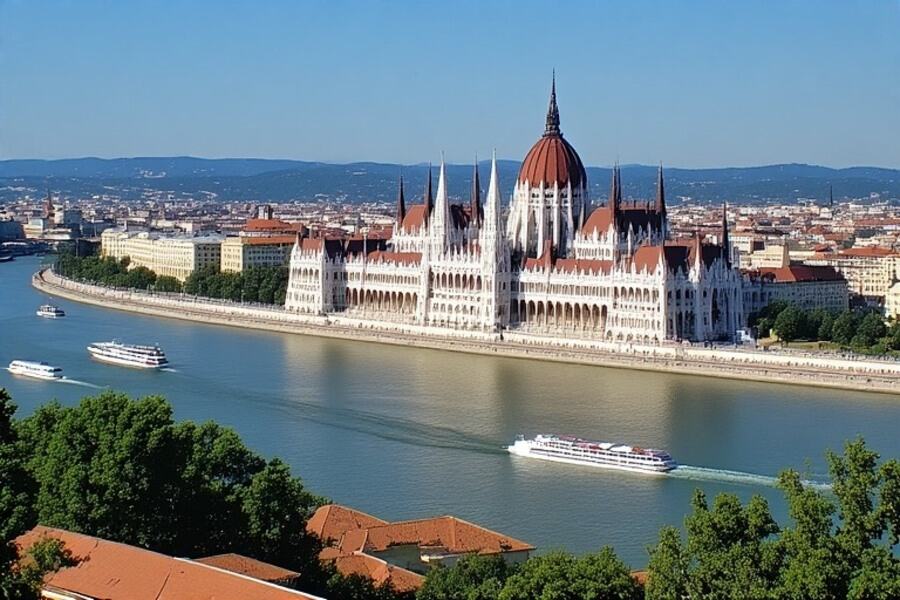
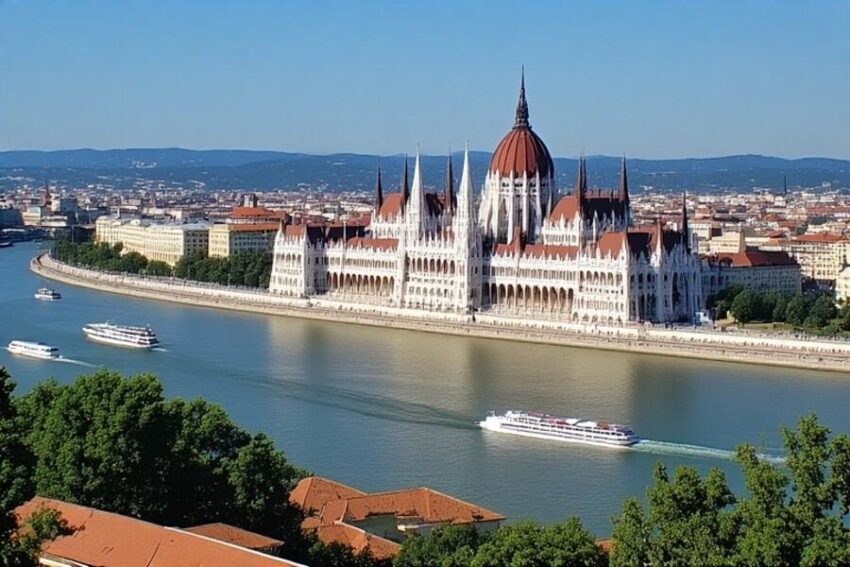
Hungary’s tourism sector delivered a performance for the ages in 2025, surpassing 20 million visitors—the highest total ever recorded. What’s more striking is that the growth didn’t merely reflect the post-pandemic bounce back, but a transformation into one of Europe’s most desirable travel destinations.
Advertisement
Advertisement
Advertisement
Advertisement
Key Achievements:Budapest, Hungary’s capital, welcomed over 8.1 million guests, which accounted for a significant portion of the total growth.Lake Balaton, a stunning freshwater paradise, saw 3.4 million visitors, driven by its picturesque views, cultural festivals, and water activities.Hungary’s Szép voucher card program reached HUF 492 billion in tourism-related spending, demonstrating a robust domestic tourism sector.Ferenc Liszt International Airport saw a record 19 million passengers, supported by increased international flights and steady year-round traffic.
Hungary’s success in 2025 wasn’t just about numbers; it was about strategic positioning. As Budapest gained global attention for its vibrant arts scene and historical landmarks, regions like Lake Balaton and Siófok saw robust growth in local tourism, driven by Hungary’s focus on enhancing regional experiences and infrastructure.
Austria: Cultural Majesty Meets Record Tourism Growth
Austria, already known for its classical music heritage and majestic alpine landscapes, had a banner year in 2025, experiencing unprecedented growth in both cultural and adventure tourism. The country’s emphasis on preserving its rich traditions while embracing modern travel trends helped attract millions of international and domestic visitors.
Advertisement
Advertisement
Key Achievements:Vienna, known as the city of music, reported a 10% increase in tourist arrivals, with the Vienna Opera Ball and other high-profile cultural events continuing to captivate audiences.Salzburg and Innsbruck experienced remarkable demand, especially in the winter months, as ski tourism reached new heights in the Austrian Alps.The country’s eco-tourism initiatives in areas like Kärnten attracted travelers interested in sustainable, nature-focused experiences.
Austria capitalized on its blend of art, history, and outdoor adventure, ensuring that the influx of visitors wasn’t just about quantity, but the quality of experiences offered. Austria’s commitment to sustainability and its diversified tourism offerings set it apart as a cultural and environmental leader in the tourism boom.
Poland: Central Europe’s Tourism Revolution
Poland’s tourism sector surged in 2025, riding on the wave of growing interest in Central Europe’s rich history and vibrant cities. With cities like Kraków, Warsaw, and Gdańsk standing out as must-visit destinations, Poland positioned itself as a dynamic destination for culture, history, and modern travel.
Advertisement
Advertisement
Key Achievements:Kraków, Poland’s crown jewel, saw a 7% increase in overnight stays, driven by its medieval charm, historic sites, and proximity to Auschwitz-Birkenau.Warsaw experienced a 13% rise in visitors, with international guests drawn to the city’s mix of historical architecture and modern vibrancy.Gdańsk, with its burgeoning waterfront and historical significance in the Solidarity movement, also saw robust growth in both cultural and eco-tourism.
Poland’s success in 2025 was rooted in its strategic mix of heritage tourism and modern city breaks. By leveraging its rich cultural assets and continually improving its tourism infrastructure, Poland has firmly established itself as a powerhouse in Europe’s tourism boom.
Latvia: Baltic Charm with Unmatched Growth
Latvia, often overshadowed by its larger neighbors, broke out as a surprise contender in 2025, posting one of the highest tourism growth rates in Europe. The nation’s blend of scenic beauty, historic towns, and burgeoning arts scene drew in travelers from across the globe.
Key Achievements:Riga, Latvia’s capital, reported a sharp rise in international arrivals, particularly from the Nordic and Baltic countries, as well as from the UK and Germany.Latvia’s national parks and eco-tourism offerings gained significant traction, attracting visitors keen on nature-based experiences and rural escapes.Riga’s Art Nouveau architecture and vibrant cultural festivals, like the Riga Opera Festival, contributed heavily to the city’s international appeal.
Latvia’s focus on sustainability and its growing eco-tourism market helped the country attract a fresh wave of travelers in 2025, particularly those seeking unique, off-the-beaten-path destinations in Europe.
Croatia: A Mediterranean Gem Reaches New Heights
Croatia’s tourism industry, known for its idyllic coastlines, stunning islands, and UNESCO World Heritage sites, saw a monumental surge in 2025. With the allure of Dubrovnik and the increasing popularity of lesser-known islands like Hvar and Vis, Croatia solidified its position as one of Europe’s top summer destinations.
Key Achievements:Dubrovnik, Croatia’s crown jewel, saw a 14% increase in visitors, particularly during the summer months, as tourists flocked to the Game of Thrones filming locations.The Istrian Peninsula and islands like Korčula and Hvar saw significant growth, with visitors seeking the perfect blend of culture, luxury, and natural beauty.Zadar and Split, with their UNESCO-listed old towns and coastal views, were major drawcards for cultural tourists and beach lovers alike.
Croatia’s unparalleled coastline, combined with its growing luxury tourism sector, ensured that it became a prime destination for those seeking sun, sea, and history. The demand for private yachts and luxury cruises in the Adriatic soared, further contributing to Croatia’s tourism boom.
Finland: Winter Wonderland Shines Year-Round
Finland, often regarded as the ultimate winter escape, saw its tourism surge in 2025, driven by an increase in eco-tourism, winter sports, and interest in Lapland. Finland’s strategic marketing, combined with its world-class winter experiences, drew millions of visitors seeking the magical Northern Lights, husky sledging, and Santa Claus adventures.
Key Achievements:Rovaniemi, Finland’s official Santa Claus Village, experienced a 25% increase in visitors during the winter months, making it one of the top destinations for families and winter tourists.Finland’s national parks and sustainable tourism initiatives attracted eco-conscious travellers from around the world.Finland’s unique offerings, such as sauna experiences and Northern Lights safaris, became major draws for tourists seeking authentic Arctic adventures.
Finland’s commitment to sustainability and the growth of its wellness tourism sector helped elevate the country as a year-round destination, catering to tourists who sought both relaxation and adventure in an unspoiled natural environment.
Europe as a Whole: The Epicenter of Global Tourism
In 2025, Europe became the epicenter of global tourism, with countries across the continent reporting record-breaking tourist arrivals and spending. Whether it was the cultural capitals of Vienna and Paris, the sun-drenched beaches of Spain and Croatia, or the winter retreats of Finland and Austria, Europe showcased its unparalleled ability to attract travelers from every corner of the globe.
Key Highlights:Spain broke all records, welcoming nearly 97 million foreign tourists, with demand for beach holidays, cultural exploration, and urban tourism reaching new heights.Italy continued its reign as a favorite destination, with Rome, Venice, and Florence seeing a substantial rise in both international and domestic visitors.France, still the world’s most-visited country, experienced steady growth despite challenges in the global tourism landscape, with Paris leading the charge as the top destination.
As countries like Poland, Latvia, and Croatia began to rise on the global tourism map, Southern Europe and the Mediterranean remained strongholds for sun-seeking tourists, ensuring that 2025 was a year of robust and diverse tourism across Europe.
2025 marked a pivotal year for European tourism, as nations like Hungary, Austria, Poland, Latvia, Croatia, and Finland all saw record-breaking arrivals and demand, transforming the continent into the world’s premier travel destination. With a diverse range of offerings—from rich cultural experiences to natural wonders, luxury escapes, and sustainable tourism—Europe has firmly established itself as the ultimate destination for global travelers.
In 2025, Hungary, alongside Austria, Poland, Latvia, Croatia, and Finland, experienced a monumental travel boom, driven by record-breaking tourist arrivals and soaring demand fueled by enhanced infrastructure, compelling cultural offerings, and Europe’s appeal as a diverse, year-round destination.
The future of European tourism is bright, with these countries poised to continue driving growth and innovation. As more travellers discover the rich tapestry of destinations across Europe, the continent’s tourism industry is set to thrive for years to come.
