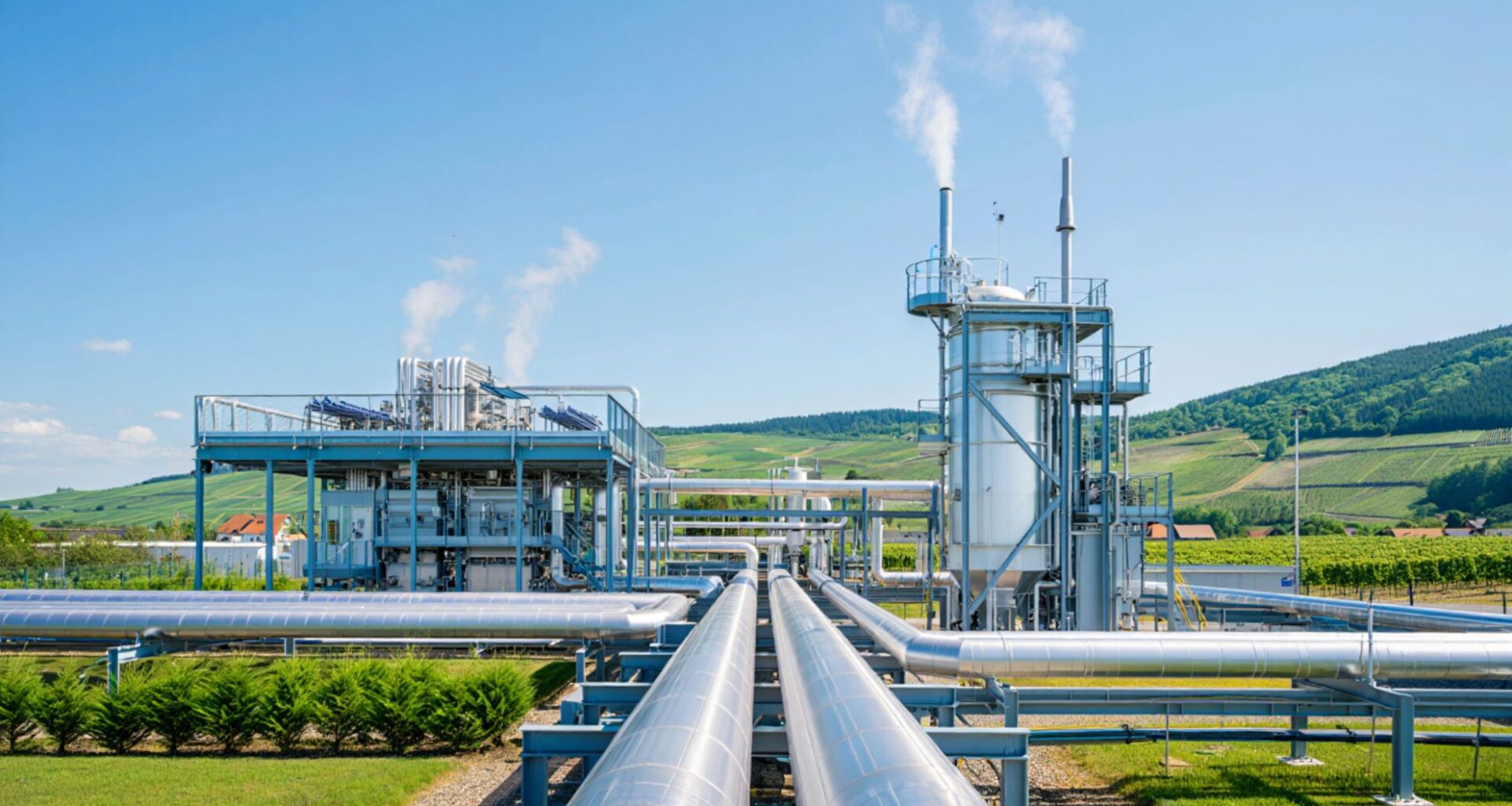
A German–British collaboration is turning geothermal water into a source of battery-grade lithium. Working at the Bruchsal geothermal plant in Baden-Württemberg, EnBW and LevertonHELM have produced lithium carbonate with more than 99.5% purity. Instead of relying on far‑flung deposits, the approach draws lithium from hot brines already circulating in Europe’s subsurface.
Why this method changes the EV equation
By tapping geothermal reservoirs, engineers can unlock local supply for Europe’s booming battery factories. The process yields both lithium carbonate and lithium hydroxide, the key precursors for advanced cathode chemistries. For automakers, a reliable, cleaner feedstock reduces risk and strengthens the value chain.
Environmental gains at the source
Conventional brine evaporation consumes vast water and can stress fragile ecosystems. Geothermal co‑production recycles heat, minimizes land disturbance, and sharply cuts water use. “This method lets us tap geothermal resources sustainably while reducing our ecological footprint,” said Dr. Anna Müller, lead engineer at EnBW.
Strategic autonomy for Europe
Domestic lithium from geothermal plants supports Europe’s push for energy security. By sourcing locally, manufacturers ease exposure to geopolitical shocks and volatile shipping costs. It also aligns with EU policies that favor clean, traceable, and resilient materials.
How the technology works
The Bruchsal facility circulates hot brine through surface equipment, extracts dissolved lithium, and reinjects the fluid underground. Direct lithium extraction, paired with smart filtration, concentrates lithium without sprawling ponds. The result is battery-grade chemicals with a smaller footprint.
Evidence of quality and scale potential
Pilot runs achieved over 99.5% purity in lithium carbonate, meeting stringent cell‑grade specifications. Because the brine continually flows, production can be more steady than weather‑dependent evaporation. Co‑located heat and power also improve project economics and net emissions.
Economic ripple effects
A European lithium base can stimulate regional refinery, cathode, and recycling investments. Jobs spread from subsurface engineering to advanced materials and logistics. For carmakers, closer suppliers shorten lead times, stabilize prices, and encourage long‑term contracts that fund scale.
Voices from the project
Industry leaders frame the effort as both innovation and strategy. “By building local lithium we strengthen Europe’s autonomy while supporting clean‑tech jobs,” noted executives involved with the LevertonHELM partnership. Such messaging underscores a shift from dependency to resilience.
Key advantages at a glance
Lower water consumption and reduced local impacts compared with traditional brine evaporation or hard‑rock mining.
Continuous, modular production that can scale with grid‑connected geothermal assets.
Proximity to European gigafactories, cutting transport emissions and delays.
Compatibility with strict EU standards for sustainability and supply‑chain traceability.
Dual outputs: lithium carbonate and lithium hydroxide tailored to evolving chemistries.
What it means for EV adoption
Battery supply is the choke point for mass‑market electric vehicles, and cleaner lithium eases that bottleneck. With dependable European feedstock, cell makers can plan capacity with greater confidence. Consumers ultimately benefit from more stable pricing and faster model rollouts.
Challenges and next steps
Scaling will require streamlined permitting, robust community engagement, and meticulous water‑quality monitoring. Developers must prove cost competitiveness as they expand from pilot to commercial plants. Continued R&D will refine extraction media, cut reagent use, and raise lithium recoveries.
A new template for clean extraction
If replicated across suitable geothermal fields, this model could reshape global sourcing norms. Instead of a long, carbon‑heavy journey, lithium could move from brine to battery in regional, circular loops. For Europe’s net‑zero timeline, that is both a technological and strategic win.
Outlook for the decade
Expect tighter alliances among utilities, chemicals firms, and automakers to secure volumes and share risk. Transparent lifecycle data will differentiate “low‑carbon lithium” in procurement and policy. With momentum building, the next wave of projects will test commercial viability at meaningful scale.
For additional context, see the project’s video overview: https://www.youtube.com/watch?v=2M3eQRPqfNQ