Photo Credit: Getty Images
The Indian government passed a new bill that will help advance nuclear energy in the country and contribute to its clean energy goals, but some members expressed concerns about safety and accountability.
What’s happening?
According to the Tribune, the Sustainable Harnessing and Advancement of Nuclear Energy for Transforming India Bill was approved in mid-December despite opposition parties criticizing it for opening the nuclear sector to private players without sufficient public welfare and liability safeguards.
Down to Earth reported that the opposition was mostly concerned about the Bill allegedly allowing “any company” or “any person expressly permitted by the Central Government” to participate in the nuclear energy sector, from uranium mining to waste management.
Critics also warned that the proposed liability cap of approximately $460 million to cover accidents is “wholly inadequate,” according to the New Indian Express.
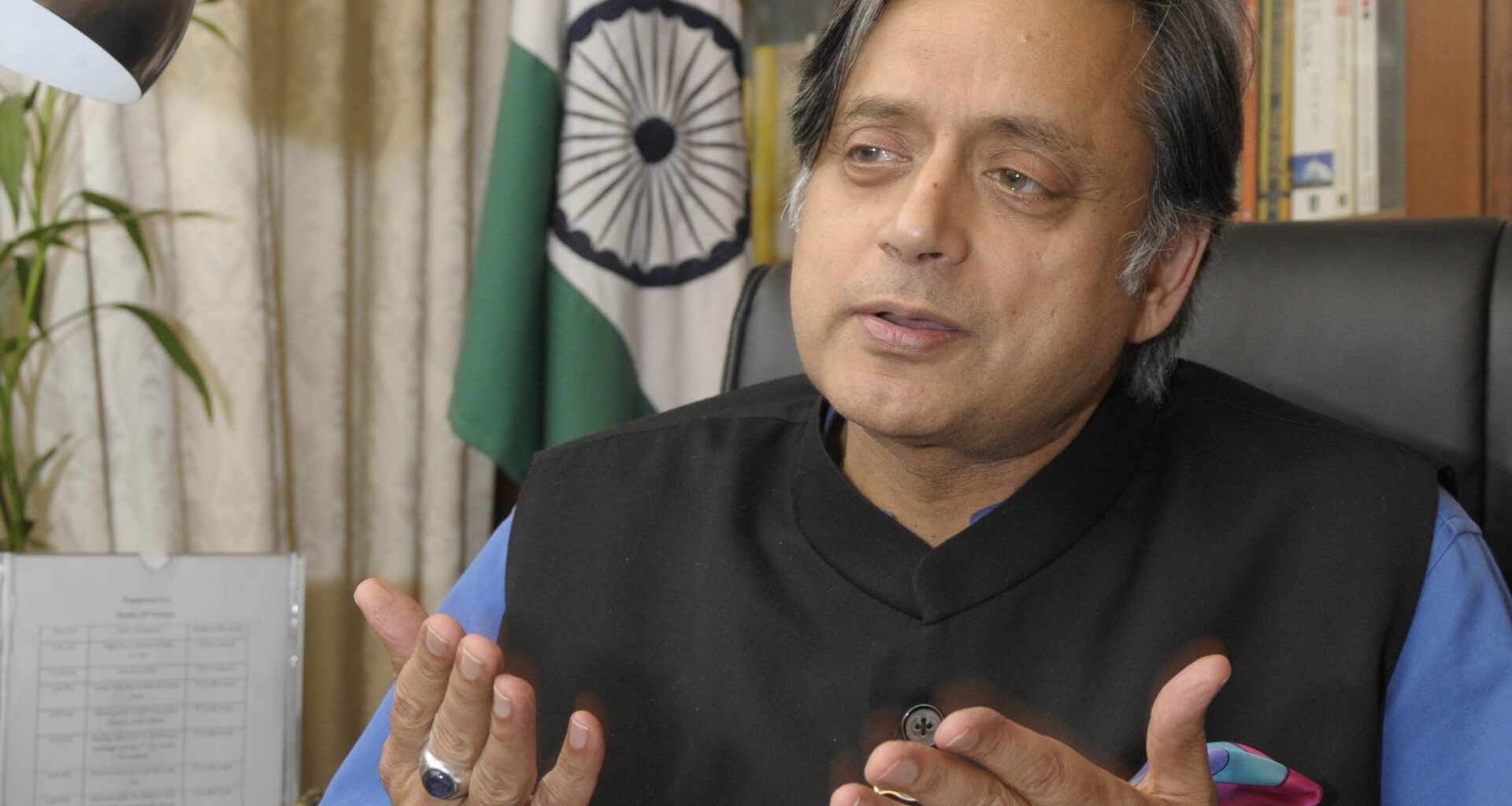
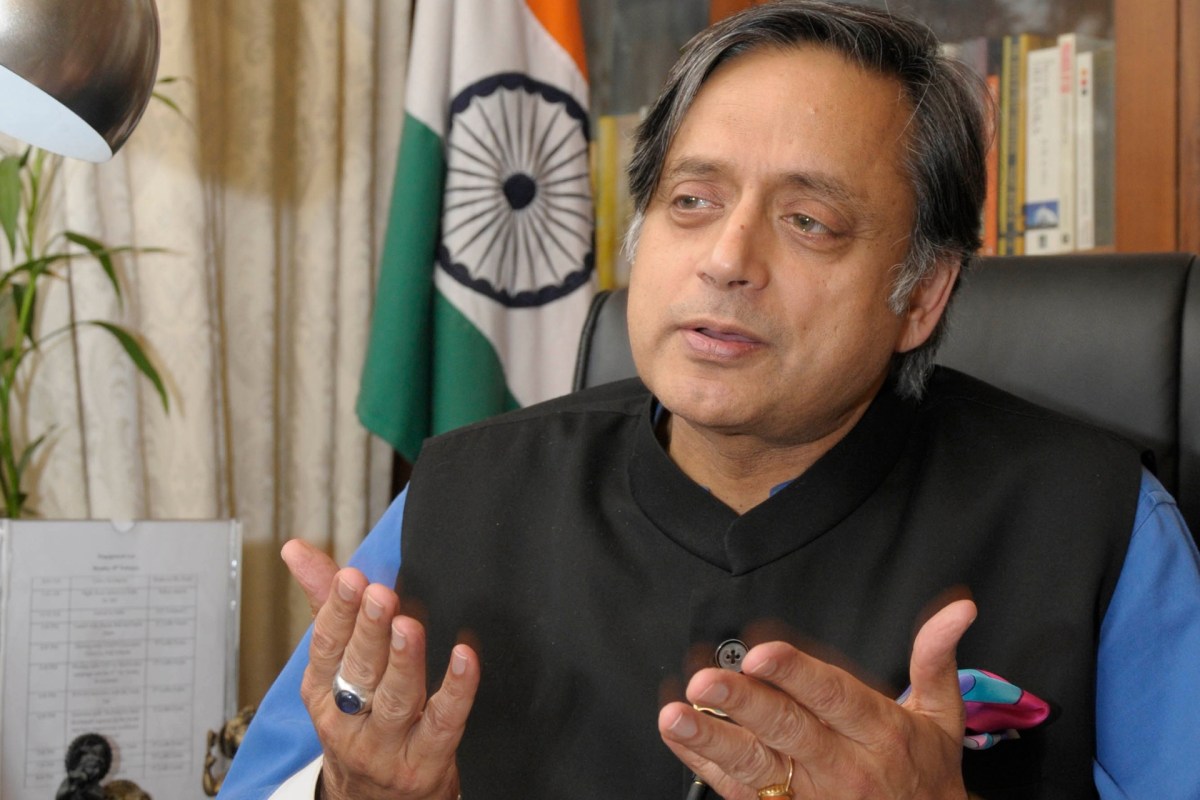
“Fukushima has already cost over $182 billion,” Congress MP Shashi Tharoor told the newspaper. “Chernobyl exceeded $700 billion. Yet we propose to cap liability at less than half a billion dollars? This is not a safety net; it is a trapdoor for victims.”
Why is the clash over nuclear energy important?
The legislation represents a historic shift in India’s energy policy, opening the nuclear sector to public participation after more than 70 years of state-controlled direction, but raising significant concerns over public safety, national security, and corporate overreach.
💡Upway makes it easy to find discounts of up to 60% on premium e-bike brands
However, the government argued that the bill is crucial to meet India’s rising energy demands amid population and economic growth, reduce dependence on dirty fuels, and achieve its net-zero pollution target by 2070.
The ruling party members added that SHANTI will also attract investment and help the country modernize, facilitating the adoption of new technologies like small modular reactors.
India has invested 200 million rupees (roughly $2.2 million) in SMRs, per the New Indian Express, which are designed to be safer than traditional reactors, especially in dense urban areas.
But critics argue that a low nuclear liability cap for operators would shift the financial burden to the government and taxpayers in the event of an accident. They fear that prioritizing profit over safety in a high-risk sector without sufficient checks and balances could increase the risk of incidents.
While nuclear energy is safer today due to stringent regulations and technological advancements, concerns remain about the management of long-term radioactive waste.
It can pose a hazard to humans and the environment for thousands of years, and there are few long-term disposal facilities worldwide. Safety concerns, high upfront costs to build nuclear power plants, and potential national security risks are also major issues.
However, nuclear energy offers numerous benefits, particularly for a country such as India that is focused on energy security and independence. Not only does it provide reliable, 24/7, carbon-free electricity, but it also has one of the smallest land footprints among electricity generation sources. Plus, since nuclear doesn’t produce air pollution, it’s vastly better for public health than burning oil and gas.
How can India balance nuclear safety and growth?
Regarding the disposal of nuclear waste, India is ahead of many other countries, as it actively reprocesses and recycles spent nuclear fuel.
It is also continuing to investigate deep geological disposal for the ultimate management of high-level waste, according to the International Atomic Energy Agency.
According to The New Indian Express, parliament member Alok Kumar Suman said the bill will boost India’s nuclear energy generation “tenfold,” but he noted that increasing the liability limit and improving waste management are crucial for success.
Get TCD’s free newsletters for easy tips to save more, waste less, and make smarter choices — and earn up to $5,000 toward clean upgrades in TCD’s exclusive Rewards Club.
