Published on
January 27, 2026
Tourism worldwide has experienced a remarkable recovery in 2025, with Iceland and Brazil emerging as some of the fastest-growing destinations. According to the latest figures from the United Nations World Tourism Organization (UNWTO), global tourist arrivals surged by 4%, reaching 1.52 billion in 2025. This growth reflects the continued recovery from the COVID-19 pandemic, driven by a resurgent demand for international travel. Countries like Iceland and Brazil have seen particularly impressive increases, not only boosting their tourism sectors but also contributing to their broader economic recovery.
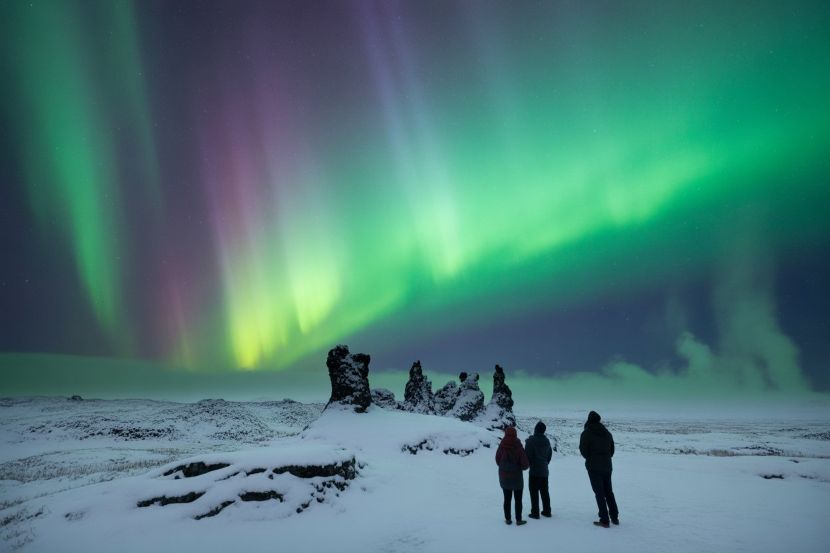
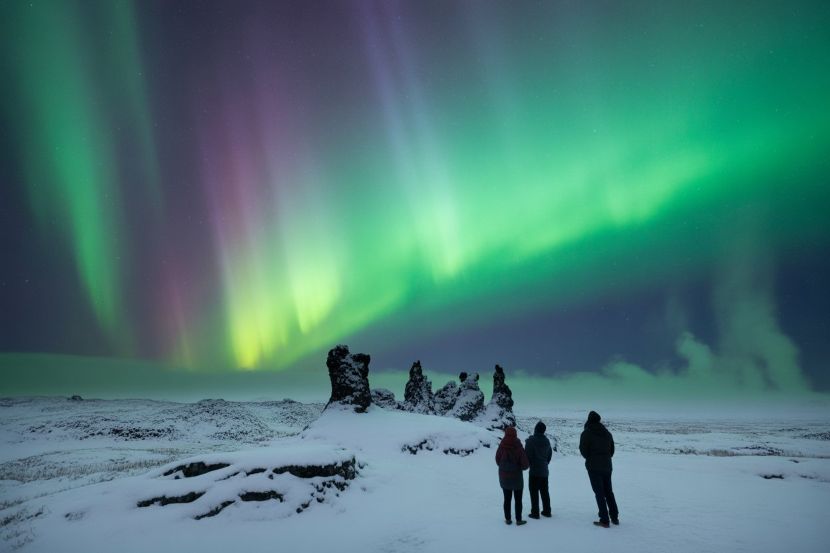
Iceland’s surge in tourism growth has been nothing short of extraordinary. The country has attracted a significant rise in international visitors, with an increase of 29% in arrivals compared to the previous year. This boost is largely driven by Iceland’s unparalleled natural beauty and its appeal to eco-tourism. Visitors flock to the island to experience its stunning landscapes, including glaciers, volcanoes, and the famous Northern Lights. Moreover, with events like the total solar eclipse scheduled for 2026, the demand for Icelandic travel experiences is only expected to increase, further strengthening its position as a global tourism hotspot.
In South America, Brazil has enjoyed a similar boost. The country saw a substantial increase in tourist arrivals, driven by its vibrant festivals, cultural richness, and unique attractions. Brazil’s tourism sector is benefitting from international travelers seeking cultural experiences, particularly in cities like Rio de Janeiro and Salvador. The country’s annual Carnival, famous beaches, and biodiversity in the Amazon rainforest have long attracted visitors, but in 2025, it saw an even more significant surge. As Brazil continues to improve its infrastructure and expand its global reach, its tourism industry is poised for even more growth in the coming years.
Both Iceland and Brazil have not only been beneficiaries of an international tourism revival but have also played a crucial role in promoting local economies. The tourism boom has led to job creation in the hospitality, transportation, and service sectors. These nations are witnessing significant growth in their tourism-related revenue, providing a boost to their local economies and further enhancing the importance of sustainable tourism practices. The rise in international visitors is creating a ripple effect, stimulating the need for better accommodations, improved transport networks, and the development of new tourist attractions, all of which help local communities.
Additionally, tourism has proven to be a major source of economic resilience, especially in countries that rely heavily on travel-related industries. In places like Iceland, where the tourism sector accounts for a significant portion of GDP, the influx of visitors has provided critical financial support. Similarly, Brazil, with its vast cultural offerings, continues to attract diverse markets, including North America, Europe, and Asia. This broad appeal contributes not only to the tourism sector but also to related industries such as food, retail, and entertainment, all of which benefit from the increased visitor numbers.
As the tourism industry continues to rebound globally, countries are increasingly focusing on sustainable growth. The UNWTO has highlighted the importance of sustainable tourism practices, ensuring that tourism development does not come at the expense of local communities or the environment. Iceland, for example, has been a leader in sustainable tourism, with policies in place to protect its natural heritage while allowing visitors to experience its unique landscapes. Brazil, too, has made strides in promoting eco-tourism, particularly in the Amazon rainforest, where sustainable travel is crucial to preserving its biodiversity.
Advertisement
Advertisement
Looking to the future, the UNWTO forecasts that tourism will continue to grow by approximately 3–4% annually, with Iceland and Brazil expected to remain top destinations for international travelers. The global demand for cultural, nature-based, and adventure tourism is likely to rise, further solidifying these countries as key players in the global tourism market. As countries prepare for an increase in visitor numbers, many are investing in infrastructure, promoting new attractions, and fostering sustainable tourism practices to ensure that the sector can thrive in the long term.
Tourism’s post-pandemic recovery has proven to be a powerful force for economic growth and cultural exchange. With Iceland and Brazil leading the way, it is clear that tourism has the potential to not only rebuild economies but also connect people across the globe. The future looks bright for these rising destinations, and as more travelers seek unforgettable experiences in unique parts of the world, the tourism industry will continue to thrive, creating lasting benefits for local communities and economies alike. As we move into 2026, Iceland and Brazil’s continued success serves as a testament to the power of tourism in shaping a brighter, more connected world.
