S
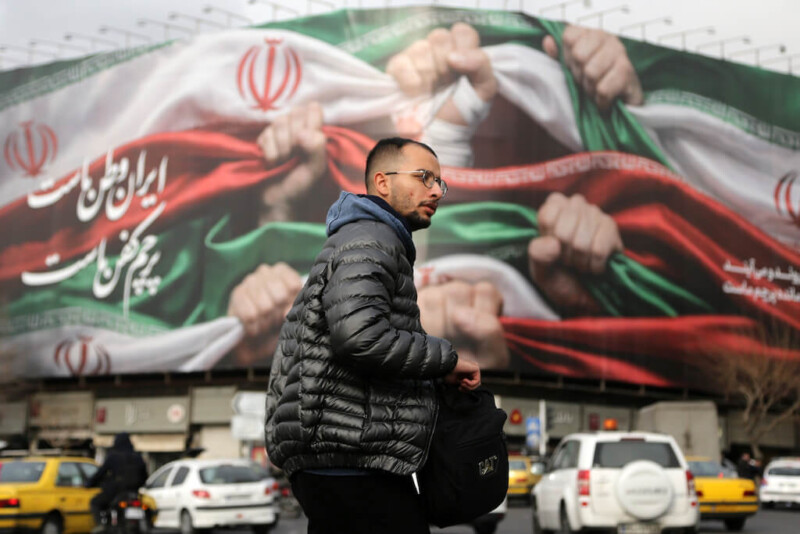
ince December 28, Iran has been at a historic turning point, with the regime in Tehran shaken by large-scale public protests and uprisings. According to some experts, the slogans chanted at the protests resemble those used during the 1979 Revolution and the 2011 Arab Spring. Therefore, while the Tehran regime is struggling to suppress the protests, which are partly driven by opposition to the regime, they also carry economic, social, and political dynamics. Although President Pezeshkian announced that measures had been taken and promises had been made regarding economic reforms, the increasing size of the protests shows that these promises have had no effect on the public.
Furthermore, U.S. President Trump’s mention of military intervention in Iran, using these demonstrations as a pretext, and Netanyahu’s statement that he is closely monitoring the events and not refraining from provoking the U.S. on this issue indicates that the situation is heading in a dangerous direction.
Iran’s current problems and resulting protests should not be viewed as isolated events. They must be analyzed in the context of Iran’s historical, cultural, economic, and socio-political dynamics. While the mass movements that led to the overthrow of the Shah regime and Western domination of the country’s energy resources remain in Iran’s social memory, the same triggers that led to the street movements in 1979 have recurred, contributing to the current situation.
Therefore, we must seek answers to why “economic fragility” and “regime legitimacy” remain unchanged in Iranian politics and social structures despite the rule of different political systems (the Shah and the mullah regime) and why these two issues have been at the center of problems for years. Similarly, while the merchant and middle classes played an important role in the uprising during the Shah’s reign, today, it is the merchant class—which we call the “market”—and vulnerable population segments that have ignited the protests.