Market Overview
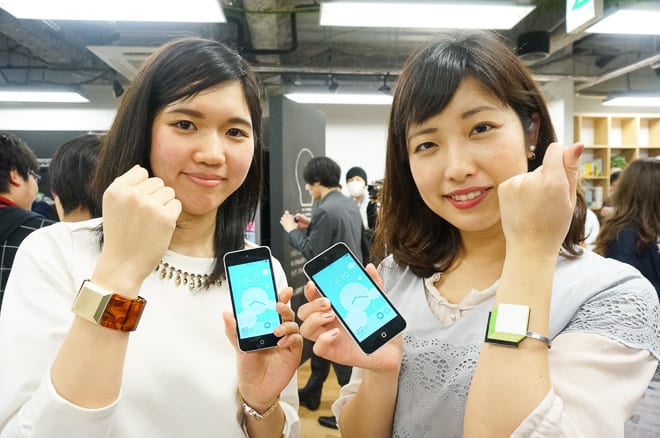
Smartwatches have moved well beyond their early role as niche technology products and are now firmly established in Japan’s consumer electronics landscape. Designed to combine traditional timekeeping with digital functionality, smartwatches offer features such as activity tracking, heart rate monitoring, notifications, GPS navigation, and seamless integration with mobile applications. These capabilities have made them an everyday companion for users seeking convenience, connectivity, and greater awareness of personal health.
The Japan smartwatch market reached an estimated value of USD 1.27 billion in 2025, reflecting strong adoption across both urban and suburban populations. Growth has been supported by rising interest in health-focused wearables, improved device reliability, and broader compatibility with smartphones and digital services. Looking ahead, the market is expected to continue expanding and reach USD 1.92 billion by 2034, driven by ongoing innovation in wearable technology and evolving consumer lifestyles.
As devices become more intuitive and feature-rich, smartwatches are increasingly used not only for fitness tracking but also for communication, navigation, and daily task management. Their growing role in everyday routines is positioning them as a core category within Japan’s wearable technology ecosystem.
Access a Free Sample PDF Copy of This Report and Discover In-Depth Analysis
Role of Innovation in Market Development
Enhanced Health and Wellness Capabilities
Advancements in sensor technology have significantly improved the health and wellness functions of smartwatches. Modern devices can monitor physical activity, sleep patterns, heart rate, and blood oxygen levels, providing users with continuous insights into their well-being. These features appeal to both fitness-focused users and individuals seeking to manage overall health more proactively.
Seamless Connectivity and Digital Integration
Smartwatches are increasingly designed to function as an extension of smartphones. Features such as call and message alerts, navigation support, contactless payments, and voice assistance enable users to stay connected without relying constantly on their phones. This integration enhances usability and makes smartwatches practical for daily use.
Improved Battery Performance and Device Durability
Improvements in battery efficiency and hardware design have addressed earlier limitations related to frequent charging and durability. Water resistance, energy-efficient processors, and more robust materials allow smartwatches to support active lifestyles and extended use, increasing their appeal across a wider consumer base.
Japan Smartwatch Industry Trends and Drivers
Growing Focus on Health and Preventive Care
Health awareness is increasing across Japan, encouraging consumers to adopt devices that support active living and wellness monitoring. Smartwatches are being used to track daily movement, manage stress levels, and monitor long-term health indicators, supporting preventive care and healthier routines.
Expansion of Wireless and Digital Infrastructure
The widespread availability of high-speed wireless networks has strengthened the appeal of connected wearables. Reliable connectivity enables features such as real-time notifications, location tracking, and cloud-based data synchronization, enhancing the overall smartwatch experience.
Adoption Across Broader Age Groups
While early adoption was concentrated among younger consumers and technology enthusiasts, smartwatches are now being used by a wider age range. Older adults are increasingly adopting wearable devices for health tracking and safety-related features, expanding the market’s demographic reach.
Japan Smartwatch Market Segmentation
Product Insights
Extension Standalone Hybrid
Operating System Insights
Application Insights
Personal Assistance Healthcare and Wellness Sports and Fitness Others
Distribution Channel Insights
Online Stores Offline Stores
Regional Insights
Kanto Region
Kansai / Kinki Region
Central / Chubu Region
Kyushu–Okinawa Region
Tohoku Region
Chugoku Region
Hokkaido Region
Shikoku Region
This segmentation highlights the variety of smartwatch formats, operating systems, and use cases available to consumers across different regions of Japan.
Competitive Landscape
The Japan smartwatch market includes participation from both international technology companies and regional electronics manufacturers. Competition is influenced by factors such as design quality, feature integration, health monitoring accuracy, and user experience. Manufacturers that focus on reliability, intuitive interfaces, and compatibility with widely used digital platforms are better positioned to strengthen their market presence.
Market Outlook
The Japan smartwatch market is expected to maintain steady growth as wearable technology becomes more deeply integrated into daily life. Continued innovation in health monitoring, connectivity, and device interaction will support broader adoption across diverse consumer segments. As users increasingly seek devices that combine convenience, functionality, and wellness support, smartwatches are likely to remain an important part of Japan’s evolving consumer electronics market.