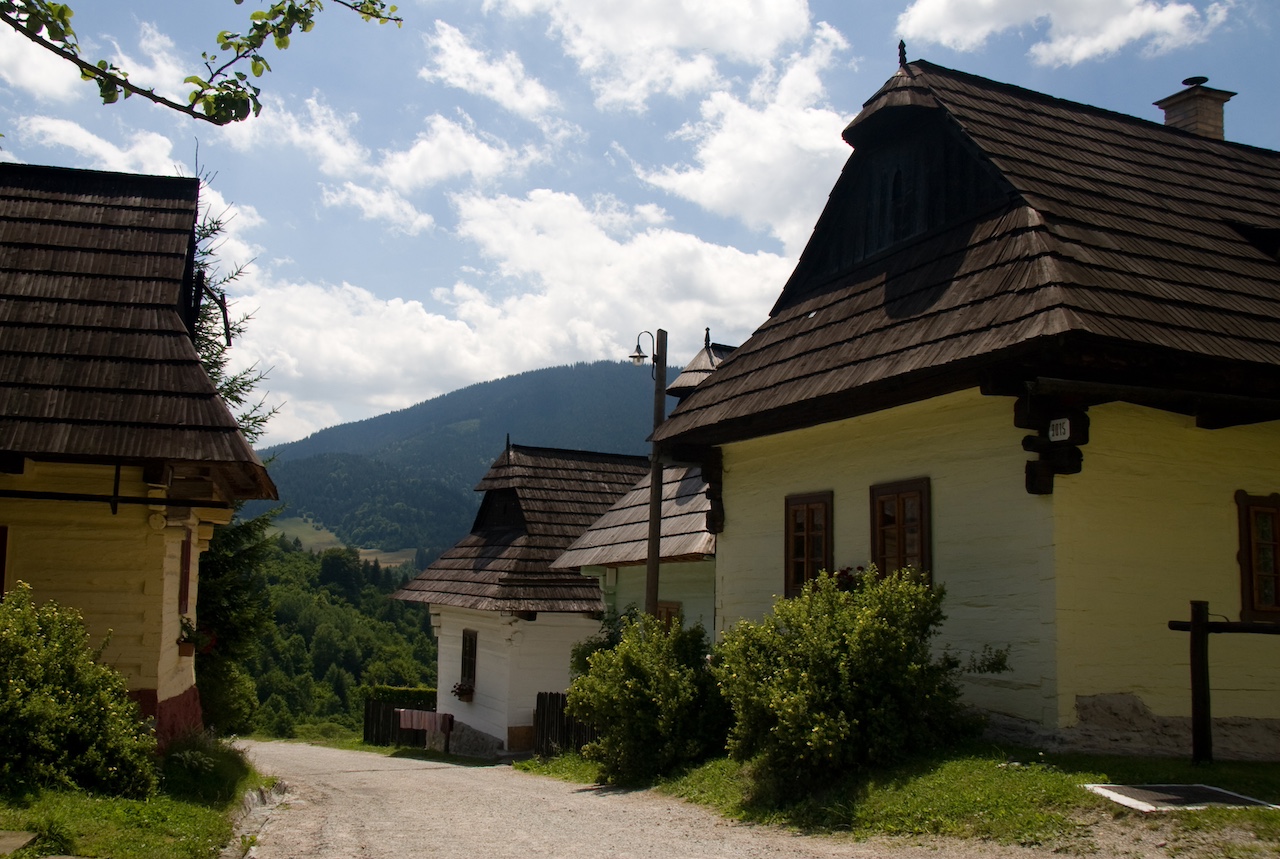
The residents of an idyllic Slovakian village struggling with overtourism are demanding that UNESCO remove their historic hamlet from its World Heritage list to reduce the number of visitor arrivals.
Vlkolínec, at the heart of Slovakia and the Carpathians, is described by UNESCO as “an outstanding example of a traditional Central European rural settlement, with 43 unaltered houses.” The “remarkably intact” log-built, painted village and its layout remain “virtually unchanged,” the UN body says, and its “architectural style has been fully retained.” It is hailed as “the best preserved and most comprehensive unit of its kind in the whole region.”
But the village’s permanent population of 14 people is outnumbered more than 7000-to-one by the 100,000 annual visitors that descend upon it, and they have had enough. Speaking to the UK’s Mirror tabloid, one local said: “UNESCO has turned us into a tourist ‘zoo.’ This supposed honour has become not just a burden – but a living nightmare.”
Echoing the complaints of British villagers in the rural Cotswolds, the Vlkolínecians say they are being “crushed” and spied on by crowds. It is not merely the volume of tourists then, but the visitors’ anti-social behaviour that is the issue. Some of the poor etiquette experienced includes trespassing in villagers’ gardens and courtyards, and taking photographs through private windows.
What’s more, only four families now remain in the village, and that is a problem, according to heritage expert Miloš Dudáš, speaking to Slovak newspaper Dennik N. UNESCO treasured the village precisely because it was a living village and not “an empty or ‘dead’ open-air museum,” he said. But since the listing in 1993, that has changed, resident numbers having shrunk by nearly 50% in those three decades.
Anton Sabucha, Vlkolínec’s most senior inhabitant, agrees that the way of life has changed, telling the same publication that normal life has been made impossible. “Make sure they remove us from UNESCO, we would live better. Due to strict regulations, we cannot raise pets and cultivate crops as we used to.”
While those “strict regulations” have impacted the villagers for over thirty years, it’s not fair to say the UNESCO status alone caused today’s overtourism. Changes in tourist behaviour—driven by social media and the urge to take unique photos—must also have played a major role.
@getoutherelivin Vlkolinec – the name of this sweet, colourful village hidden in the northern mountains of Slovakia 🧡💛💚💙❤️ #slovakia #mountainvillage #unesco ♬ Home – Edith Whiskers
The UN agency points to another culprit, too. The village is “vulnerable to the impacts of tourism,” it says, attributing the change of character to “the increase of temporary residents acquiring property for recreational purposes.”
It is not the first time the supposed prestige of “official” recognition has been rejected by those on the receiving end. In 2025, authorities in Peru responded dismissively to New7Wonders’ criticism of how sustainably Machu Picchu was being managed. In that instance, though, UNESCO came out of the controversy better, described by the Peruvian Ministry of Culture as “the only competent body to promote the identification, protection and preservation of cultural and natural heritage.”
In the case of Vlkolínec, it is up to both UNESCO and the Slovakian national government to decide whether the village’s World Heritage status is a help or a hindrance to its survival.