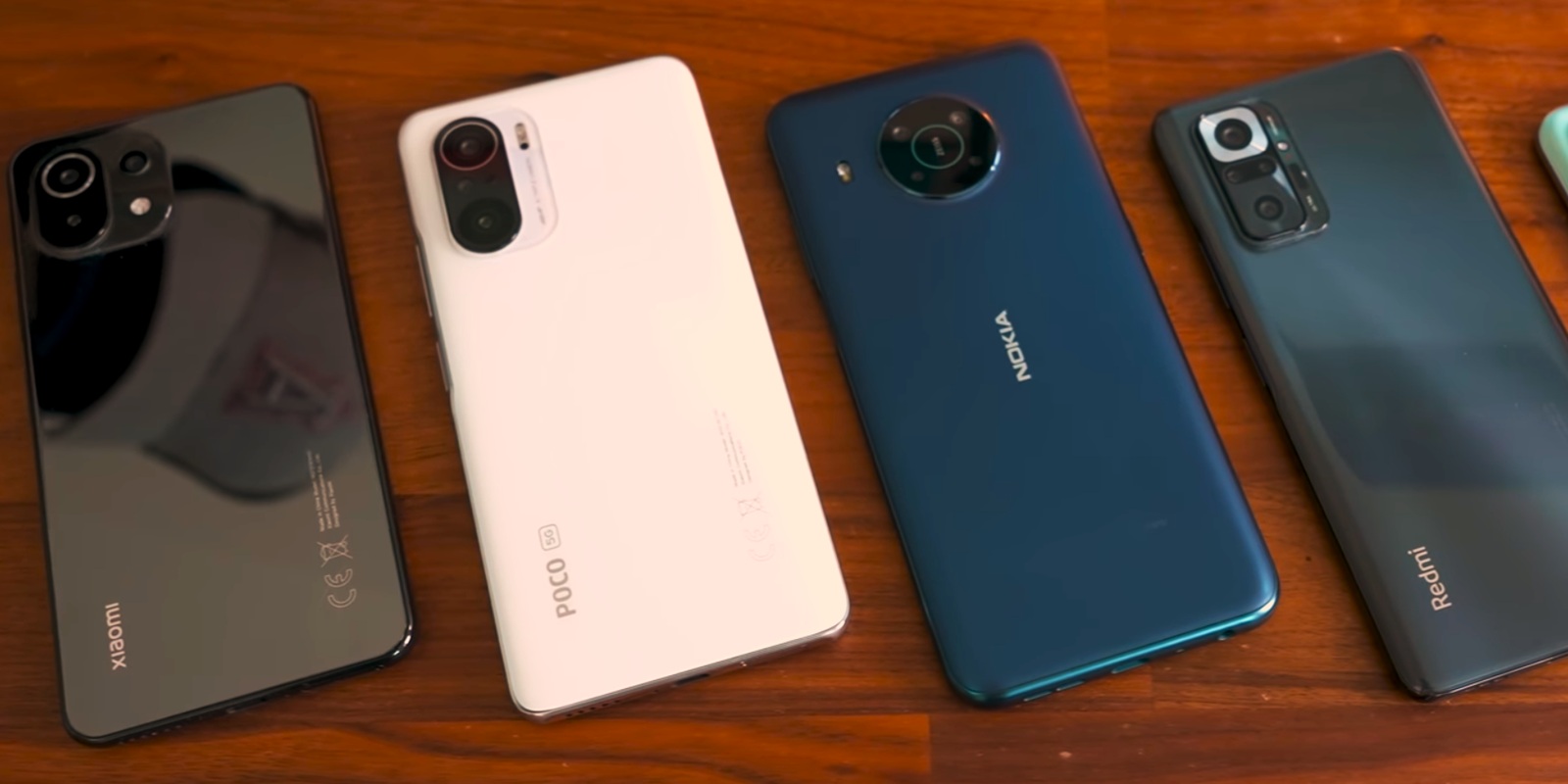

Refurbi, a Colombian startup, has raised US$4M to expand its refurbished smartphone marketplace across Latin America. Credit: The Tech Cheat (CC BY-SA 4.0).
Refurbi, a startup founded in Colombia to promote reuse and recycling of electronic devices, has closed a US$4 million seed‑extension round, combining equity and debt to consolidate operations and expand across Latin America. The move positions a Colombian‑born circular‑economy model as a regional contender in the refurbished‑technology market.
The round was led by venture fund Latin Leap and joined by impact and financial investors such as PSM Impact Ventures and Epic Angels, with additional support from the Inter‑American Development Bank and Banco Itaú. For Colombia’s startup ecosystem, the presence of multilaterals in a circular‑tech company underscores growing international confidence in local entrepreneurs.
CEO profile: Colombian founder betting on circular inclusion
At the center of Refurbi’s story is Colombian entrepreneur Sebastián Jiménez, CEO and founder, who set out to accelerate Latin Americans’ transition toward more sustainable mobile devices in an informal and mistrustful market. His thesis is simple but ambitious: if refurbishment reaches industrial standards and is backed by strong guarantees, it can become infrastructure for digital inclusion, not just a second‑hand alternative.
Jiménez emphasizes three pillars: trust, operational efficiency and technology developed in‑house. Refurbi’s devices undergo standardized refurbishment processes and ship with 14‑month warranties, 30‑day return windows and packaging that mirrors new products while reducing environmental impact, a combination designed to overcome skepticism that persists in Colombia and the wider region.
From Bogotá, the founder has built a team that now serves more than 80,000 users and has achieved profitability since 2024, unusual at this stage for a hardware‑linked startup. This trajectory, validated first in Colombia, is what investors now seek to replicate in other Latin American markets.
Business model: An integrated refurbished‑device ecosystem
Refurbi operates as an integrated ecosystem rather than a simple e‑commerce site. Its model includes a marketplace for refurbished phones, trade‑in programs, specialized software, and financing and insurance solutions that help retailers, manufacturers, telecom operators and insurers manage device lifecycles more efficiently.
According to company figures, Refurbi has already participated in about 0.5% of Colombia’s total mobile‑phone market, a share that has allowed it to industrialize processes and refine user experience before scaling abroad. For Colombian consumers, the offer of high‑end phones at lower prices, with long warranties and lower environmental impact, responds simultaneously to budget constraints and growing awareness about e‑waste.
Stefan Krautwald, managing partner at Latin Leap, notes that in Latin America device‑replacement cycles exceed 36 months and new‑device prices have risen more than 30% in recent years, factors that give refurbished products solid foundations and sustained growth potential. In this scenario, a Colombian‑founded platform that already operates at scale becomes a natural candidate to lead regional consolidation.
Funding and regional expansion: Mexico as the next test
The US$4 million seed‑extension will be used to deepen Refurbi’s commercial scale, strengthen operations and deploy its proprietary trade‑in technology in Mexico, one of the largest mobile‑device markets in Latin America. The company’s goal is to reach US$100 million in revenue by 2030, working with major retailers, manufacturers and telecom operators to make refurbished devices a mainstream category.
However, expanding from Colombia to Mexico will test how adaptable the model is to different regulatory frameworks, informal markets and consumer expectations. Investors remain optimistic, but they also point out that scale will require maintaining quality standards and trust metrics while managing credit, logistics and after‑sales risks across borders.
For Colombia, Refurbi’s new phase shows that local startups can build profitable circular‑economy businesses and then export them regionally. If its expansion succeeds, a Colombian‑founded company will not only have captured a slice of the refurbished‑device market, it will also have demonstrated that circular technology from Colombia can help close Latin America’s digital gap while reducing electronic waste.