Published on
January 30, 2026
Iceland, known for its surreal landscapes, unspoiled natural beauty, and unique charm, is one of the most exciting destinations for travelers today. From the magical Northern Lights to glistening glaciers, volcanic landscapes, and hot springs, Iceland offers a wealth of breathtaking natural attractions that draw tourists from around the world. Whether you’re an adventurer looking to explore rugged terrains or simply seeking to unwind in Iceland’s tranquil surroundings, the island offers experiences that can’t be found anywhere else.
As a Nordic island, Iceland is relatively untouched and provides a refreshing escape from crowded tourist hotspots. However, while Iceland may not have the same abundance of transportation options as other major countries, it remains surprisingly accessible and easy to navigate. Let’s dive into some key travel aspects that will help you make the most of your trip to this magical destination.
The Magic of the Northern Lights
One of the biggest draws for travelers heading to Iceland is the chance to witness the Northern Lights, a natural phenomenon that lights up the Icelandic skies with vibrant hues of green, purple, and pink. Iceland’s clear, dark nights, especially during the winter months, provide ideal conditions for observing this awe-inspiring spectacle. Some of the best places to see the Northern Lights in Iceland include Thingvellir National Park, Reykjavik, and the Jökulsárlón Glacier Lagoon. Don’t forget to check local forecasts, as the visibility of the Northern Lights depends on solar activity and clear skies.
While the Northern Lights are undoubtedly a major attraction, Iceland has much more to offer when it comes to natural wonders. From hot springs like the famous Blue Lagoon to the Gullfoss waterfall and Geysir, Iceland’s geological features are just as spectacular as its iconic light displays.
Travelling Around Iceland: Car Hire and Public Transport Options
Though Iceland is relatively small, it does not have as many transport options as larger countries, so planning your journey is key. One of the most popular ways to explore Iceland’s landscape is by renting a car. If you’re confident to drive abroad, renting a car offers freedom and flexibility, allowing you to explore the country at your own pace. The Ring Road (Route 1) is Iceland’s major highway, running through many of the island’s most famous attractions. This well-maintained route provides easy access to the Golden Circle, Vik, Jökulsárlón, and other must-see destinations, making it a popular choice for tourists traveling by car.
For those who prefer not to drive, shuttle buses and guided tours are available from Reykjavik, the capital of Iceland. These options are great for travelers who want to visit popular sights like the Blue Lagoon or Thingvellir National Park without worrying about navigating the roads themselves. Reykjavik itself has an easy-to-use public bus system, perfect for getting around the city and accessing key attractions.
Advertisement
Advertisement
Top Attractions in Iceland
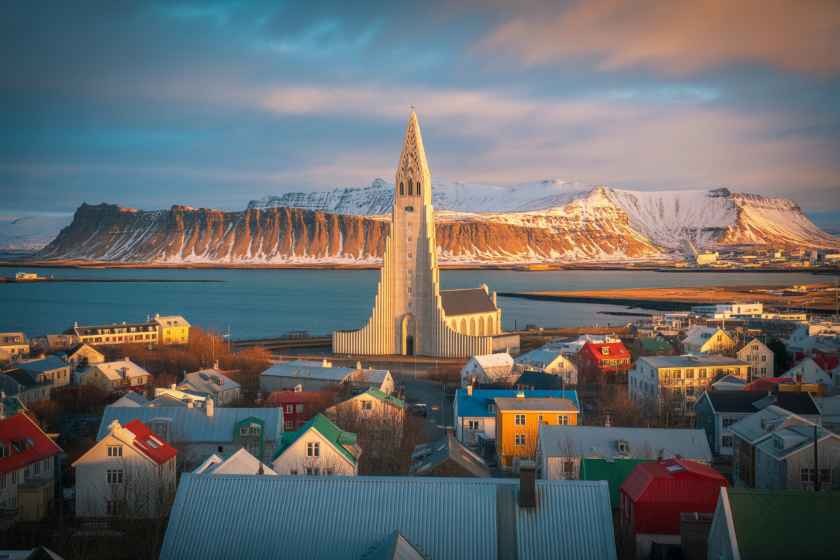
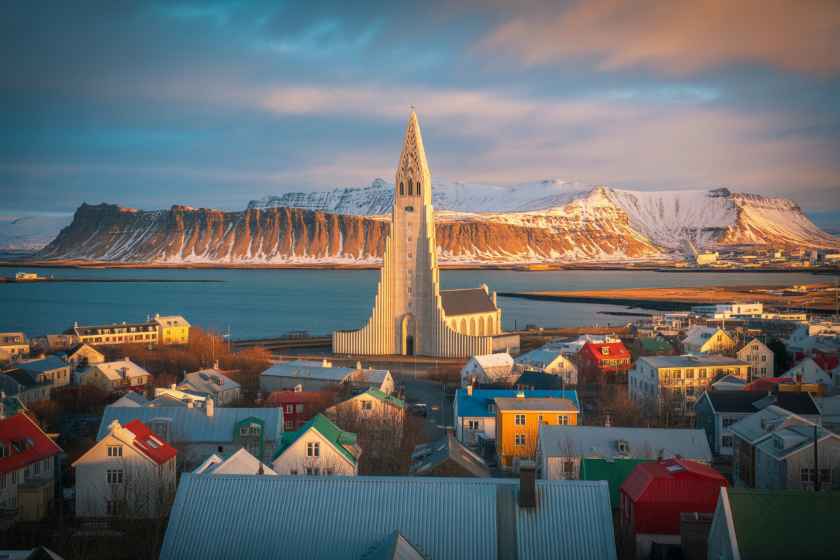
Iceland offers an array of tourist attractions that will make your trip truly unforgettable. If you’re visiting Reykjavik, you can explore landmarks such as the Hallgrímskirkja Church, Harpa Concert Hall, and the Sun Voyager sculpture along the waterfront. Reykjavik’s vibrant nightlife, restaurants, and cultural offerings also make it a must-visit spot for city lovers.
For nature lovers, Iceland is a paradise of stunning landscapes. Thingvellir National Park, a UNESCO World Heritage site, offers beautiful hiking trails, crystal-clear waters, and historical significance. Gullfoss, one of Iceland’s most famous waterfalls, is part of the Golden Circle route, along with the Geysir geothermal area. These destinations are all within easy reach of Reykjavik and offer visitors an authentic taste of Iceland’s natural beauty.
Further afield, Jökulsárlón Glacier Lagoon and Vatnajökull National Park provide awe-inspiring views of glaciers, icebergs, and volcanic landscapes. You can also explore Iceland’s black sand beaches, such as those at Reynisfjara, and hike mountains in areas like Landmannalaugar for a truly rugged and unique experience.
The Best Time to Visit Iceland
Iceland is an all-season destination, but the best time to visit depends on the experiences you want to enjoy. Summer (June to August) brings long days, mild temperatures, and the chance to explore Iceland’s remote corners. During this time, you can enjoy midnight sun and experience the island’s green valleys, wildlife, and waterfalls in full bloom. Winter (November to February) is ideal for those looking to chase the Northern Lights, experience snow-covered landscapes, and explore the Ice Caves of Vatnajökull.
Sustainable Tourism in Iceland
Iceland is dedicated to promoting sustainable tourism, encouraging travelers to respect its delicate ecosystems. From eco-friendly accommodations to low-impact travel options, there are many ways to explore the island responsibly. Many Icelandic companies, including those offering guided tours, are committed to minimizing their environmental footprint while offering unforgettable experiences.
Conclusion: The Ultimate Icelandic Adventure Awaits
Whether you’re coming for the Northern Lights, the geothermal wonders, or the chance to explore Iceland’s rugged landscapes, this Nordic island offers adventure, nature, and culture in abundance. With car hire options, a straightforward public transport system, and a range of guided tours, getting around is easy. Whether you’re visiting for a few days or planning an extended adventure, Iceland’s untouched beauty and wild charm will leave you with memories to last a lifetime. Don’t forget to check local transport and weather conditions, and plan your trip to experience the very best of this extraordinary destination.
