January the 31st, 2026 – The World Bank has approved a payment of 100 million euros to Croatia for its preparedness and response to natural disasters.
As Poslovni Dnevnik writes, in close cooperation with the World Bank, Croatia has managed to secure a new financial protection instrument for a faster and more effective response to natural disasters.
Finance Minister Marko Primorac and World Bank Director for the EU Anna Akhalkatsi recently signed a loan agreement worth 100 million euros, intended to strengthen the country’s preparedness and institutional, physical, financial and social resilience to extraordinary events such as natural disasters.
This generous sum is a loan intended for Croatia to roll out proper development policies for disaster preparedness and resilience with the option of delaying the withdrawal of funds, the first of its kind for Croatia. It enables rapid mobilisation of capital in the event of earthquakes, floods, fires and other disasters to which Croatia is unfortunately no stranger. It is intended as a supplement to budgetary reserves until other sources of financing are activated in such cases.
Finance Minister Marko Primorac stated that this massive loan represents an important step in strengthening the country’s resilience and provides tools for better management of the fiscal consequences of disasters and an effective response in crisis situations. The emphasis has been placed on strengthening institutional capacities, modernising infrastructure and developing financial protection measures, thus ensuring the continuity of development and human safety.
The project covers three key areas: improving infrastructure management and institutional capacity, reforms in the energy, tourism and housing sectors, and promoting insurance against catastrophic risks with additional support for vulnerable groups. The World Bank’s 100 million euro loan provided to Croatia has a duration of three years and is part of the World Bank’s broader package of crisis response instruments.
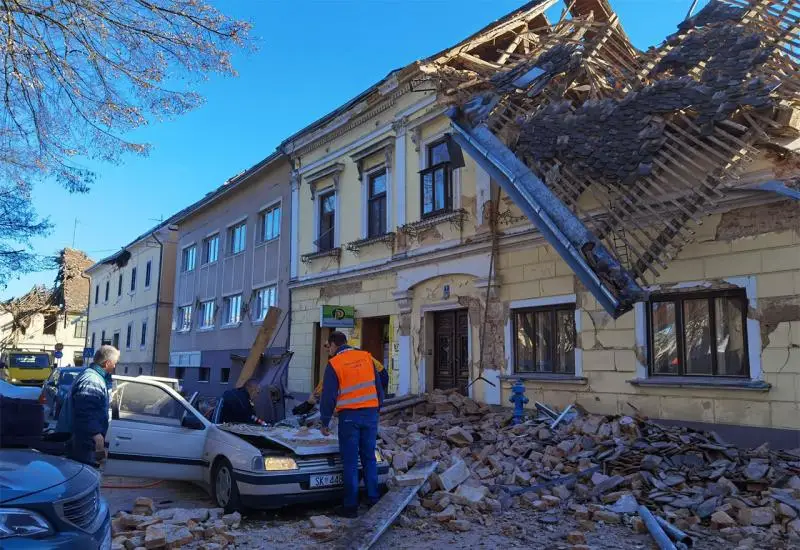
Due to its geographical position and the climate (particularly during summer as far as fires are concerned) Croatia is unfortunately exposed to significant natural risks. The country’s average annual losses to such natural disasters are estimated to stand at a cost of around 0.8 percent of GDP. The experience of the March 2020 earthquake and then the one that followed in Petrinja, with estimated damages of 16.1 billion euros, further highlights the need to strengthen the country’s financial and institutional resilience to such issues.
Subscribe to our newsletter
the fields marked with * are required