Facebook
Twitter
LinkedIn
Pinterest
Reddit
Email
Print
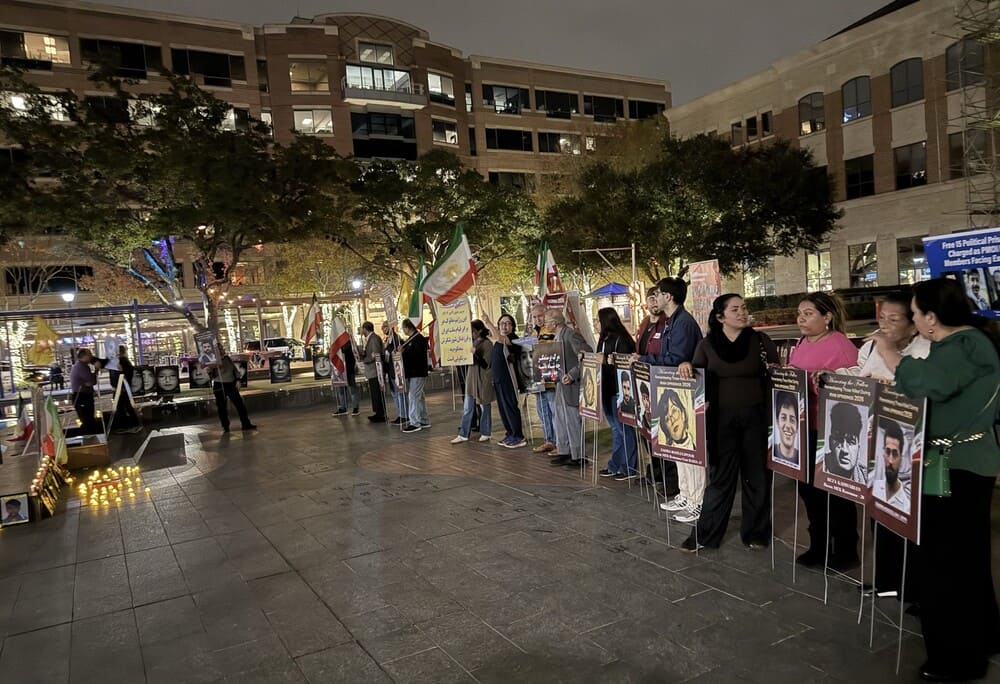 Houston, Texas — Iranian Community Honors Martyrs of Iran’s Uprising with Photo Exhibition and Candlelight Vigil
THIS PAGE WILL BE UPDATED WITH THE LATEST NEWS
UPDATE: 08:00 AM CET
Iran protests: 450 new martyrs identified, regime declares detaining students linked to PMOI
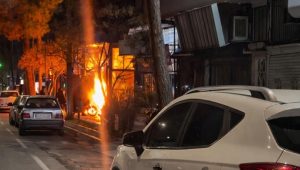
The nationwide uprising against the religious dictatorship in Iran continues to shake the regime’s foundations on Friday, January 30, 2026. While the regime’s Minister of Science has openly admitted to the continued detention of students accused of affiliation with the People’s Mojahedin Organization of Iran (PMOI/MEK), rebellious youth across the country are intensifying their campaign to dismantle the regime’s apparatus of suppression.
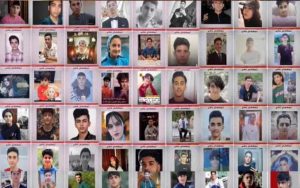
Meanwhile, the human cost of freedom continues to rise. The PMOI has released the names of 450 additional martyrs, revealing the brutal extent of the regime’s crackdown on women and children. Despite the repression, support for the resistance grows, with national athletes joining the call for a democratic republic.
Countdown to the Execution of the Uprising Generation
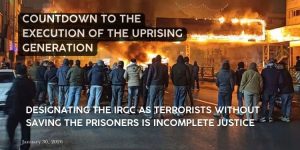
While it is widely recognized that the statistics provided by the clerical regime regarding the massacre of the January 2026 uprising represent only the “tip of the iceberg,” and while official state media reported 3,117 deaths, estimates suggest the true death toll across Iran could be much higher. Similarly, when the FARAJA Security Police officially claim only 327 arrests as of late January (Defa Press, January 29, 2026), one can only imagine the true scale of detainees whose arrests have not been officially recorded anywhere. While reliable reports indicate that certain hospitals under the supervision of regime-affiliated individuals—such as the Noor Eye Hospital on Valiasr Street, Tehran, owned by Hassan Ghazizadeh Hashemi (former Minister of Health under Hassan Rouhani)—have been transformed into intelligence outposts for the regime to identify and arrest wounded protesters, a grave violation of medical neutrality.
The Education Commission of the Iranian regime’s Majlis (Parliament), while acknowledging that a number of students under the age of 18 were arrested during the crackdown on the January protests, reported that its letter to the Law Enforcement Command regarding killed and detained students has gone unanswered. Alireza Monadi Sefidan, head of the Education Commission of the Iranian regime’s Majlis, told the state-run ILNA news agency on Friday, January 30, that in this letter, in addition to asking about detained students, questions were also raised about the number of students killed and injured, but said, “So far, we have not received any response to this letter.”
Empty-Handed Resistance Confronts Armed Repression Across Iran
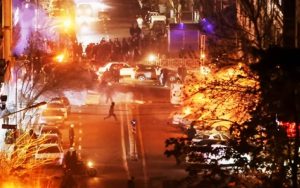
From January 8 to January 10, 2026, Iran witnessed a wave of coordinated urban resistance stretching from Tehran and Mashhad to Arak, Isfahan, Hamadan, Zanjan, and smaller cities. Field reports indicate that ordinary citizens—largely empty-handed and without military equipment—stood their ground against a regime that responded with live ammunition, mass arrests, and ruthless violence. The Iranian regime, relying on the IRGC, Basij, and Special Units, attempted to crush the uprising through overwhelming force. Yet across dozens of locations, protesters disrupted troop movements, dismantled surveillance infrastructure, and temporarily reclaimed streets from the regime’s security apparatus.
IRGC Economy: EU Labels IRGC Terrorist
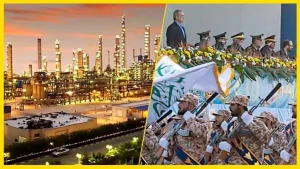
The IRGC economy sits at the heart of Iran’s modern power structure, and the European Union’s decision on January 29, 2026 could make that economic machine more costly to run abroad. EU foreign ministers designated the Islamic Revolutionary Guard Corps (IRGC) as a terrorist organization, a step that officials said goes beyond targeted sanctions and can criminalize financial or logistical support within the bloc. The decision was reported by the Financial Times and The Guardian as a consensus move among EU ministers. The listing opens the door to asset freezes and strict legal limits on any dealings with entities tied to the IRGC. For many European banks and companies, the practical result is often simpler: avoid the exposure entirely.