Published on
February 1, 2026
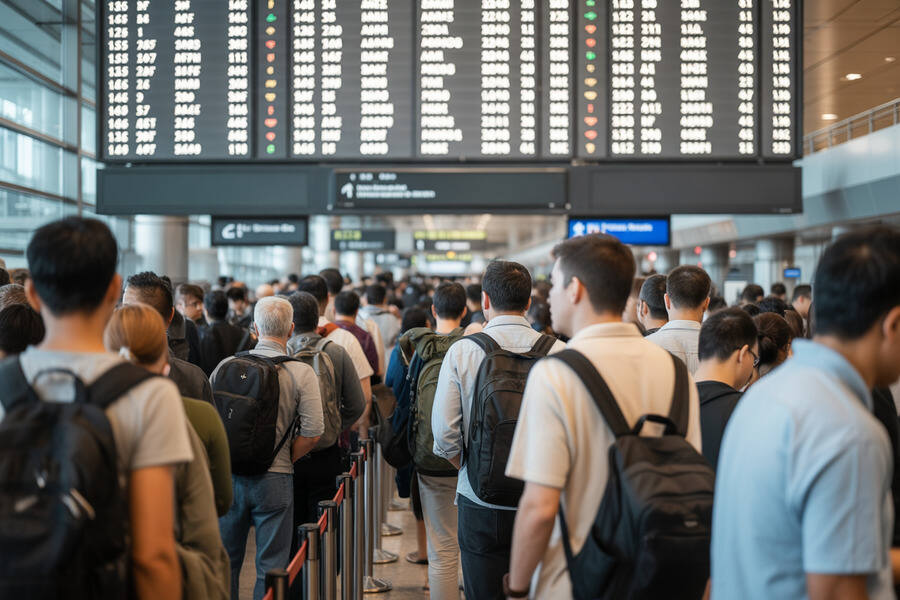
Passenger chaos across Europe occurred yesterday as 34 flights were canceled and 347 delayed, primarily due to weather conditions such as poor visibility and icy conditions. These disruptions affected key airports in the UK, Netherlands, Finland, and Greece, with airlines like Air France, Olympic Air, Icelandair, ITA Airways, and KLM struggling to keep up with the adverse weather. Passengers were left stranded or delayed for hours at major airports including London Heathrow, Amsterdam Schiphol, and Helsinki-Vantaa, all grappling with the operational challenges caused by the severe weather conditions.
Travel across Europe was thrown into turmoil yesterday as multiple airports in the UK, Netherlands, Finland, and Greece faced widespread cancellations and delays. In total, 34 flights were canceled, and 347 flights were delayed, leaving passengers stranded and frustrated. Weather conditions, including fog, snow, and poor visibility, led to these disruptions, with major airlines such as Air France, Olympic Air, Icelandair, ITA Airways, and KLM struggling to manage the situation.
With these weather challenges, airport authorities and airlines were forced to ground flights and delay departures, affecting both inbound and outbound travelers. Passengers found themselves facing uncertainty, scrambling for alternative routes and struggling with long waits at the airports.
Widespread Cancellations and Delays at Major European Airports
The weather issues that unfolded across Europe led to significant disruptions at key international airports. These airports, known for their heavy passenger traffic, found it increasingly difficult to keep up with the operational demands as the poor conditions persisted.
London Heathrow (LHR): A Disrupted Global Hub
London Heathrow, one of the busiest airports in the world, was significantly impacted. Yesterday, 6 flights were canceled, and 48 flights were delayed, accounting for 7% of the day’s operations. This caused considerable delays for passengers, with many left to find alternative flights or rebook their travel plans. The disruptions were exacerbated by poor visibility and low clouds, forcing airlines to reduce their operations for safety.
Advertisement
Advertisement
Amsterdam Schiphol (AMS): Struggles with Delays and Cancellations
At Amsterdam Schiphol Airport, conditions also proved challenging. While only 6 flights were canceled, 108 flights were delayed, representing 19% of all operations. Travelers flying in and out of Schiphol experienced extended waits, with ground staff working overtime to assist those affected. The low visibility and congested airspace made it difficult for flights to operate on time, further complicating the situation.
Helsinki-Vantaa (HEL): Flights Affected by Weather Conditions
Helsinki-Vantaa Airport in Finland saw the highest number of delays, with 66 flights delayed—nearly a third of the scheduled departures. Along with this, 7 flights were canceled. The weather in Helsinki included reduced visibility and icy conditions, which led to slower operations and more frequent delays. Passengers were left stranded for hours, with limited options for rebooking.
Later in the day, Helsinki-Vantaa faced another wave of disruptions, with 8 flights canceled and 63 flights delayed. As a result, many passengers missed connecting flights or were forced to stay overnight, further increasing the frustration.
Airlines Struggling to Manage Weather-Related Disruptions
The adverse weather not only affected airports but also created difficulties for airlines, causing widespread cancellations and delays. Many airlines struggled to maintain their schedules due to the challenging weather conditions.
Impacted Airlines: Cancellations and Delays Across the Board
Several major carriers were impacted, with a combination of canceled and delayed flights. Here’s a breakdown of how some of the major airlines were affected:
Olympic AirCancellations: 2 flights (2%)Delays: 18 flights (24%)German AirwaysCancellations: 2 flights (6%)Delays: 5 flights (15%)Air FranceCancellations: 2 flights (0%)Delays: 107 flights (17%)Wizz AirCancellations: 2 flights (0%)Delays: 102 flights (21%)IcelandairCancellations: 2 flights (2%)Delays: 12 flights (13%)ITA AirwaysCancellations: 2 flights (0%)Delays: 17 flights (6%)Wizz Air MaltaCancellations: 3 flights (0%)Delays: 99 flights (16%)KLMCancellations: 5 flights (0%)Delays: 81 flights (14%)Transavia AirlinesCancellations: 2 flights (1%)Delays: 20 flights (13%)British AirwaysCancellations: 6 flights (0%)Delays: 63 flights (10%)
Airlines such as Air France, Wizz Air, KLM, and British Airways faced substantial disruptions, with Air France experiencing the highest number of delays, totaling 107 delayed flights.
Weather: The Root Cause of the Havoc
The weather, characterized by low clouds, fog, and reduced visibility, was the primary factor behind these disruptions. These conditions made it difficult for airlines to maintain a smooth flow of air traffic, particularly at airports with high volumes of flights like London Heathrow, Amsterdam Schiphol, and Helsinki-Vantaa. To ensure safety, many airlines and airports were forced to delay or cancel flights, resulting in widespread chaos.
The combination of these conditions created a ripple effect that impacted not only travelers within Europe but also long-haul flights from these major airports. These weather-related disruptions forced many travelers to adjust their plans and find new routes to reach their destinations.
The Impact on Passengers: Delays, Cancellations, and Frustration
Passengers attempting to travel across the affected airports found themselves stuck for hours, unsure of when they would be able to board their flights. With over 347 delayed flights across Europe and 34 cancellations, the delays had a ripple effect on travelers’ connections, further complicating their journey.
For those affected, the experience was filled with frustration. Some passengers were provided with overnight accommodation, but many others had to make their own arrangements. This added a layer of stress, particularly for those on tight schedules or with onward connections.
What Travelers Can Do to Mitigate the Impact of Weather-Related Delays
For those traveling during the winter months, here are some helpful tips to navigate the potential disruptions caused by weather:
Track Flight Status: Stay updated on your flight’s status through the airline’s app or the airport’s website for any changes.Consider Travel Insurance: Having travel insurance can help mitigate costs if you face cancellations or unexpected delays.Prepare for Alternate Routes: If your flight is delayed, consider finding alternate routes to minimize disruptions to your overall travel schedule.Arrive Early: Arriving at the airport early gives you a buffer against unexpected delays and gives you more time to handle changes to your flight.Pack Essentials: Always have essentials like snacks, chargers, and medications on hand in case of long delays.
Looking Ahead: How Airlines and Airports Can Prepare for Future Weather Challenges
As extreme weather events continue to disrupt travel, airports and airlines are working to improve their ability to handle such events. From better forecasting systems to more resilient operational strategies, the aviation industry is evolving to minimize the impact of adverse weather.
Despite advancements, passengers must remain vigilant and flexible when traveling, especially during winter months when unpredictable weather conditions can strike without warning.
Passenger chaos across Europe unfolded yesterday as 34 flights were canceled and 347 delayed, primarily due to weather conditions like poor visibility and icy conditions. The disruptions hit major airports in the UK, Netherlands, Finland, and Greece, affecting airlines such as Air France, Olympic Air, and KLM.
Yesterday’s disruptions highlight the significant challenges that travelers face when adverse weather conditions take hold. With 34 flights canceled and 347 delayed, the ripple effect was felt across major airports in Europe. Airlines such as Air France, Wizz Air, and KLM struggled to manage their schedules, while passengers faced long waits and uncertainty. As weather conditions continue to pose challenges, both the aviation industry and travelers must work together to ensure smoother travel experiences, especially during the winter months.
