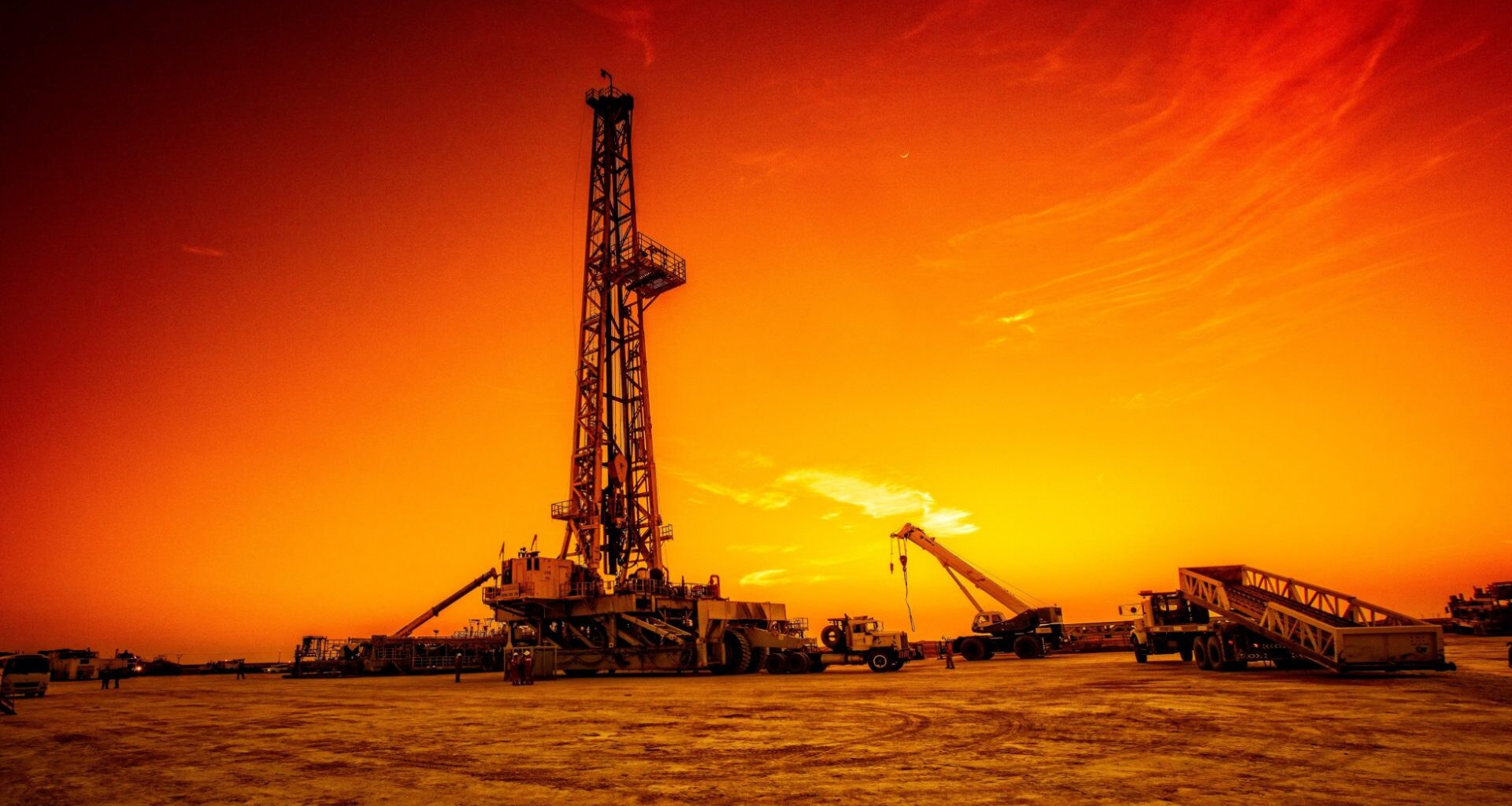
Having set clear goals to sustain oil production above one million barrels per day, Angola is engineering a strategic return to onshore exploration. Faced with natural decline across mature offshore assets and the need to diversify its production base, the country is refocusing attention on its onshore basins – long considered underexplored despite decades of petroleum history. At the center of this resurgence are independent oil and gas companies, which are increasingly driving exploration, appraisal and early-stage development across Angola’s onshore acreage.
As Angola Oil & Gas (AOG) 2026 approaches – taking place September 9–10 in Luanda, with a dedicated Pre-Conference Day on September 8 – independent operators are scaling up activity, advancing technical studies and accelerating work programs across onshore basins. This renewed momentum reflects a broader shift toward onshore exploration as a viable, capital-efficient growth pathway.
Kwanza: Reassessing a Proven Petroleum System
Angola’s Kwanza Basin sits at the heart of its onshore revival. Home to the country’s earliest oil discoveries, the basin offers a proven petroleum system that is now being re-evaluated using modern seismic and basin modeling techniques. At the forefront of this strategy is Corcel, operator of Block KON 16. The company kickstarted a 326-km line 2D seismic data acquisition program in 2025, with plans to complete interpretation in Q1, 2026 and drill an exploration well within the next 12 months. By integrating geological workflow using all available technical data, the company plans to identify new prospects.
Speaking at AOG 2025, Corcel COO Richard Lane explained that, “The plan is simple: we need to shoot seismic data. We aim to fill the gaps where we feel that we have interesting prospects.”
Exploration is also unfolding across other Kwanza Basin assets. In 2025, Nigeria’s Oando Energy Resources assumed operatorship of Block KON 13 – marking the company’s entrance into Angola. Block KON 13 offers significant potential, with two exploration wells previously drilled and estimated prospective resources of between 770 million and 1.1 billion barrels. Angola’s national oil company is leading exploration activities at Blocks KON 11, KON 12 and KON 15, while Canadian independent MTI Energy has been expanding its onshore acreage in recent years, assuming operatorship of Blocks KON 5, KON 17 and KON 20 in the country’s 2020 bid round.
Lower Congo: Advancing Near-Term Potential
The Lower Congo basin offers equally enticing opportunities and has emerged as a focal point for independents in recent months. Etu Energias is driving exploration at Blocks FS, FSST, CON 4 and CON 1, with seismic research underway. At AOG 2025, the company announced that it closed $1 billion in M&A transactions since 2022 as it strives to reach 80,000 bpd by 2030. As operator of the Cabinda Norte and Cabinda Sul blocks, ACREP is planning an exploration program. Up to 20 wells have been previously drilled at Cabinda Norte alone.
Meanwhile, in 2025, Walcot Energy signed a Risk Service Contract for three onshore blocks in Angola, granting the company operatorship of Blocks CON 3 and CON 7. The blocks hold a combined prospective resource base of over 2 billion barrels of oil. Together, these developments signal a clear shift in the Lower Congo Basin from prospective opportunity to active exploration.
Etosha-Okavango: Pursuing New Frontiers
Beyond established basins, Angola is positioning frontier onshore acreage as the next chapter in its exploration story. Notably, the Etosha-Okavango basin offers high-risk, high-reward opportunities where independents are uniquely positioned to operate. ReconAfrica is already making moves in the basin following an exploration agreement signed in 2025.
The company is planning to accelerate geochemical sampling and permitting for potential 2D seismic in the Damara Fold Belt, with field crews expected to mobilize in April 2026. The company also recently raised C$32 million to advance exploration efforts in Africa, including its Angolan program. ReconAfrica told Energy Capital & Power that “The capital raise reflects a strong investor demand, as well as a clear example of confidence from its investors in the geological potential of the frontier basins.”