Published on
February 2, 2026
 Beneath the Silent City Lies a Forgotten World
Hidden below the ancient stone streets of Mdina, the Mdina Dungeons reveal a lesser-known but deeply compelling chapter of Malta’s history. While Mdina is celebrated for its tranquil atmosphere, Baroque architecture, and noble palaces, the underground chambers beneath it tell a far darker story. The Mdina Dungeons provide an immersive portrayal of medieval justice, punishment, and social order, offering visitors an opportunity to explore how authority was enforced in earlier centuries. This subterranean attraction adds depth to Mdina’s historical narrative, making it an essential stop for travelers seeking a fuller understanding of Malta’s past.
Historical Background of Mdina Dungeons
Mdina served as Malta’s capital for centuries, functioning as the island’s administrative, religious, and judicial center. During the medieval period, justice systems across Europe were often harsh, and Malta was no exception. The underground chambers beneath Mdina were historically used as holding cells and detention spaces for prisoners awaiting trial or punishment.
The Mdina Dungeons reflect judicial practices during periods when crimes such as theft, blasphemy, heresy, and witchcraft were met with severe penalties. Under the rule of the Knights of St. John, punishments were intended not only to penalize offenders but also to serve as deterrents. Confinement in dark, cramped underground spaces was a common method of control.
Today’s Mdina Dungeons museum incorporates historical records, folklore, and interpretive reconstruction to illustrate these practices. Although theatrical elements are used, the exhibition is grounded in documented aspects of medieval Maltese justice and social hierarchy, offering visitors an educational perspective on life beneath the Silent City.
Geographical Location and Setting in Malta
The Mdina Dungeons are located at the entrance of Mdina, near the city’s main gate and adjacent to the fortified walls overlooking central Malta. Mdina itself is situated on a hilltop in the heart of the island, providing natural defense and strategic oversight of surrounding territories.
This elevated position contrasts sharply with the underground nature of the dungeons. While Mdina above ground is defined by sunlight, open squares, and elegant architecture, the dungeons below are enclosed, dimly lit, and austere. This physical contrast reinforces the historical divide between power and punishment, authority and confinement.
Advertisement
Advertisement
The dungeons’ location makes them easily accessible as part of a broader visit to Mdina, allowing tourists to transition seamlessly from the city’s noble past to its hidden, more somber realities.
Importance of Mdina Dungeons in Global Tourism
The Mdina Dungeons hold an important place in global tourism by offering an alternative lens through which to view Malta’s history. While the island is widely known for its coastal scenery, Baroque cathedrals, and ancient temples, the dungeons contribute a narrative centered on social history and everyday life in medieval times.
Advertisement
Advertisement
For international visitors, especially those interested in immersive and experiential tourism, the Mdina Dungeons provide a memorable contrast to traditional museums. The attraction enhances Malta’s cultural tourism portfolio by appealing to travelers interested in history, folklore, and the evolution of justice systems.
The dungeons also support educational tourism, drawing school groups, university programs, and cultural organizations seeking interactive ways to engage with historical material. By preserving and presenting this aspect of Malta’s heritage, the Mdina Dungeons strengthen the island’s reputation as a destination with layered and diverse historical experiences.
Exhibition Design and Visitor ExperienceUnderground Chambers and Layout
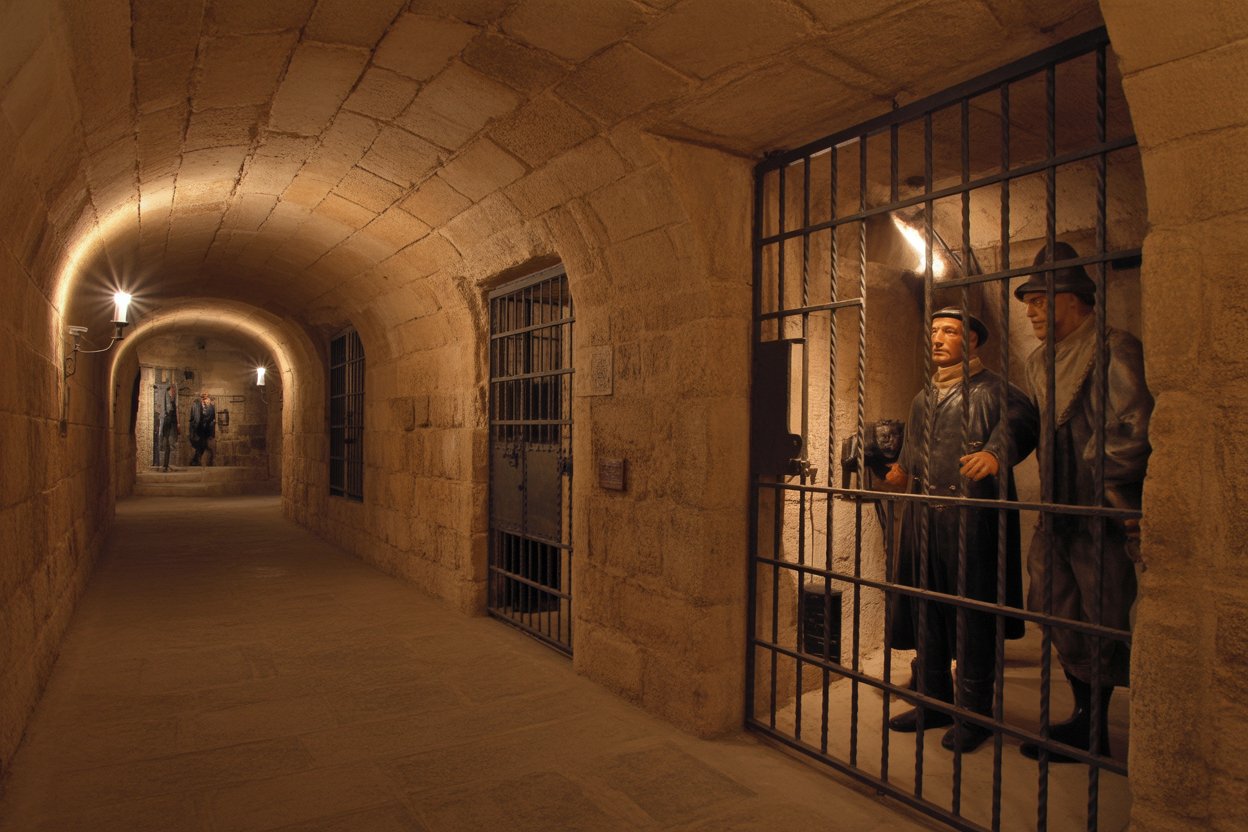
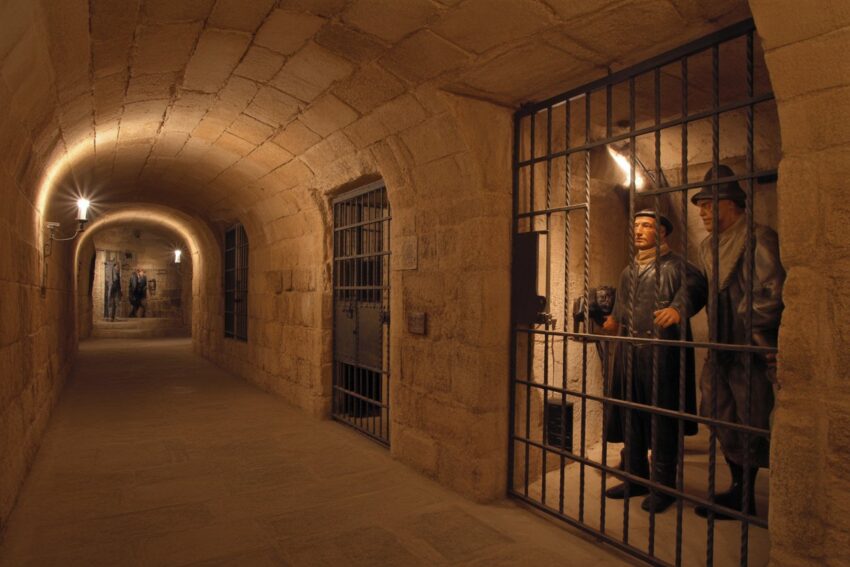
The Mdina Dungeons consist of a series of interconnected chambers carved into stone. Narrow passageways and uneven surfaces recreate the confined conditions faced by prisoners in earlier centuries. The layout encourages visitors to move through the space sequentially, following a narrative progression of medieval justice.
Reconstructed Scenes and Displays
Life-sized figures and staged scenes depict various aspects of imprisonment and punishment. These reconstructions illustrate methods of confinement, interrogation, and sentencing while emphasizing the social and legal context of the time.
Atmospheric Interpretation
Lighting, sound effects, and spatial design are used to create an immersive environment. While the presentation is dramatic, informational panels provide historical explanations that help visitors distinguish between documented practices and folklore.
How to Reach Mdina DungeonsBy Air
Malta International Airport is approximately 13 kilometers from Mdina. Visitors can reach Mdina by taxi or shuttle service in around 25 to 35 minutes, depending on traffic conditions.
By Public Transportation
Public buses connect Mdina and nearby Rabat with Valletta and other parts of Malta. The bus stop near Mdina’s main gate is within walking distance of the Mdina Dungeons.
By Private Vehicle
Visitors traveling by car can park in designated areas near Mdina and Rabat. From the parking zones, the city entrance and the dungeons are easily accessible on foot.
On Foot
Once inside Mdina, the compact layout of the city makes it easy to explore on foot. The dungeons are conveniently located near the main entrance, allowing visitors to include them early or late in their walking route.
Who Can Visit Mdina DungeonsHistory and Culture Enthusiasts
Visitors with an interest in medieval history, justice systems, and folklore will find the Mdina Dungeons particularly engaging.
Educational Groups and Students
Schools and academic institutions often include the dungeons as part of heritage-focused programs, using the attraction to illustrate historical social structures and legal systems.
Families with Older Children
Due to the visual and thematic content, the attraction is more suitable for families traveling with older children and teenagers.
General Tourists
Travelers seeking a unique and immersive experience beyond conventional sightseeing can appreciate the dungeons’ interpretive approach and storytelling style.
Best Time to Visit for TouristsSeasonal Considerations
The Mdina Dungeons can be visited throughout the year. Their underground environment remains cool and sheltered regardless of weather conditions, making them suitable during both summer and winter months. Spring and autumn are particularly ideal for combining the visit with outdoor exploration of Mdina and Rabat.
Time of Day
Morning and early afternoon visits are recommended for a quieter experience, especially during peak tourist seasons. Visiting earlier in the day also allows time to explore nearby attractions such as St. Paul’s Cathedral and Mdina’s city walls.
Peak Periods
Weekends and public holidays tend to attract higher visitor numbers. Travelers seeking a more relaxed experience may prefer weekdays outside school holiday periods.
Cultural Interpretation and Preservation
The Mdina Dungeons are designed as an interpretive attraction rather than a conventional museum. While theatrical elements enhance engagement, preservation remains a priority. The underground chambers are maintained to ensure structural safety and historical integrity.
Educational interpretation encourages visitors to reflect on how justice systems have evolved over time. By presenting the realities of medieval punishment, the dungeons promote awareness of historical human rights conditions and social change.
A Deeper Understanding of Malta’s Past
The Mdina Dungeons offer a compelling counterpoint to the elegance and serenity of the Silent City above. By descending into these underground chambers, visitors gain insight into the complexities of Malta’s medieval society, where power, law, and punishment shaped daily life. This experience enriches any visit to Mdina, providing historical depth and perspective that extends beyond architectural beauty. For travelers seeking a more complete understanding of Malta’s heritage, the Mdina Dungeons stand as a powerful and unforgettable destination.
