Published on
February 3, 2026
By: Rana Pratap
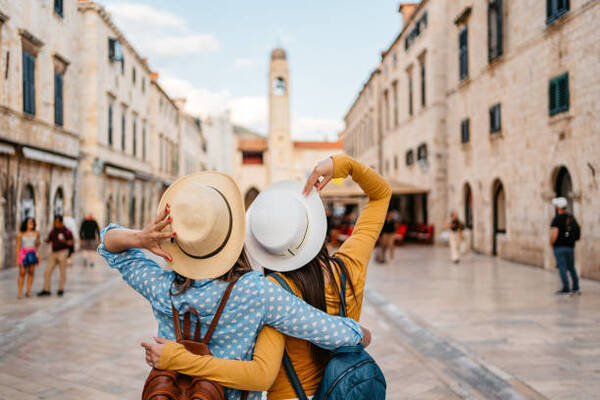
Italy will take a strong stance against overtourism in 2026, joining an increasing number of European travel destinations, including Iceland, Switzerland, France, Belgium, Norway, and more. In order to solve the environmental and infrastructure issues brought on by an excessive number of visitors, the nation is implementing a range of new tourist tariffs, admission fees, and visitor caps. In addition to encouraging more environmentally friendly travel habits, these actions seek to protect Italy’s rich cultural and ecological legacy. Together with its European peers, Italy is setting the standard for controlling the flow of tourists in order to guarantee that tourism continues to be a positive force that benefits both tourists and local populations. Here is all the information you require regarding the impending modifications and how they will alter the travel industry in 2026.
Italy: Introducing Entry Fees to Manage Crowds and Preserve Heritage
Italy is one of Europe’s most visited countries, but it also suffers from the pressures of overcrowding at some of its most famous sites. In 2026, Italy is introducing several measures to help manage the growing number of tourists while preserving its rich cultural heritage.
Trevi Fountain’s €2 Entry Fee
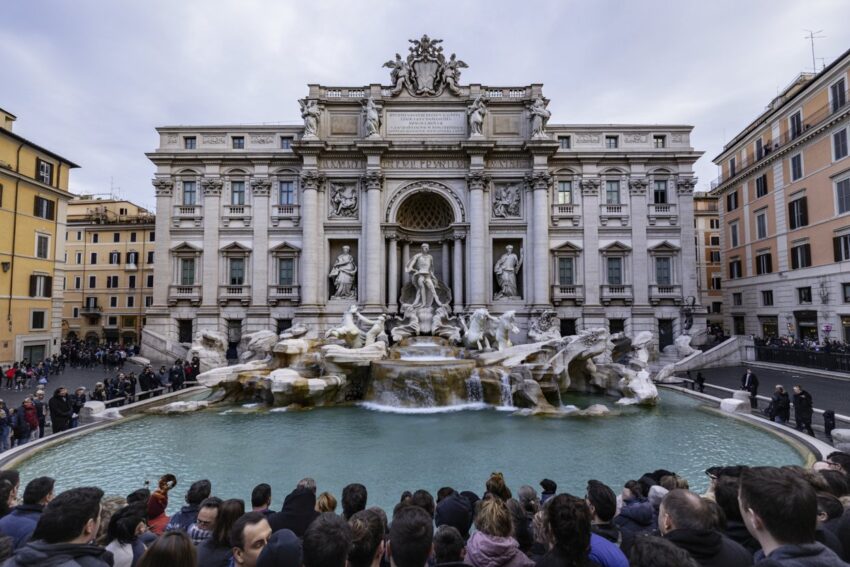
Starting on February 2, 2026, visitors to the Trevi Fountain in Rome will be required to pay a €2 fee to access the steps and view the fountain up close. This fee is designed to reduce overcrowding and create a more comfortable experience for tourists. Visitors can still view the fountain from the piazza above for free, but if they want to step closer to the water, they’ll need to pay.
€2 Entry Fee to access the steps and close view of the fountain.Exemptions: local residents, children under 6, people with disabilities, and their companions.Expected revenue: €6.5 million annually, which will be used for the preservation and maintenance of the fountain.
This initiative comes after a successful year-long experiment in 2025, where entry was managed through lines and designated pathways. Tourists have welcomed the change, noting that the fee ensures a more comfortable experience with fewer crowds.
Advertisement
Advertisement
Venice: The Return of the Day-Trip Fee
Venice has long struggled with overcrowding, especially from day-trippers who arrive early in the morning and leave by sunset. To tackle this, Venice has reintroduced its day-trip fee, which will range from €5 to €10 depending on the demand and time of year. This fee will apply to day visitors who do not stay overnight and will be part of an effort to better control the flow of tourists.
€5–€10 Day-Trip Fee for non-overnight visitors.The fee will depend on peak seasons and booking time (higher prices for last-minute bookings).The aim is to manage the flow of tourists and reduce the negative impacts of large groups arriving at once.
This fee is designed to reduce the number of people flooding the city for one-day visits while encouraging longer stays that benefit the local economy.
Advertisement
Advertisement
Pompeii: Introducing Visitor Caps
Pompeii, one of the most famous archaeological sites in the world, is also implementing daily visitor caps to preserve the ancient ruins. The city has introduced these caps to ensure that the site doesn’t become overcrowded, which can lead to wear and tear on the fragile structures.
Visitor Caps for daily entries to Pompeii to protect the site from overcrowding and deterioration.Italy: Preserving Heritage with New Tourist Fees and Visitor LimitsMeasureFee/DetailsApplicabilityNotesTrevi Fountain Access Fee€2Close-up access to the fountainExemptions: local residents, children under 6, people with disabilitiesVenice Day-Trip Fee€5–€10Non-overnight visitors during peak seasonsFee varies depending on demand and booking timePompeii Visitor CapN/ADaily visitor limitProtects the archaeological site from overcrowdingIceland: Visitor Taxes and Cruise Levies

Iceland’s breathtaking landscapes are among the most sought-after destinations in Europe, but tourism has begun to take a toll on the environment. In 2026, Iceland is introducing visitor taxes and cruise levies to help manage the growing number of tourists.
Visitor Taxes and Cruise Passenger FeesVisitor Tax: Iceland is introducing a 3% tax on overnight stays in popular regions like the Golden Circle and Reykjavik.Cruise Passenger Levy: Additional fees will be charged to cruise passengers docking at popular ports to limit overcrowding at key destinations.
These new taxes and fees will help fund sustainable tourism projects and contribute to the preservation of the country’s natural wonders. Iceland is committed to ensuring that the environment remains protected, and the local communities can continue to thrive alongside tourism.
Iceland: Sustainable Tourism in Nature’s ParadiseTourism MeasureFee/DetailsWho’s Affected?What You Need to KnowVisitor Tax3%Overnight stays in key regionsSupports sustainable tourism initiativesCruise Passenger LevyN/ACruise passengersHelps reduce overcrowding and environmental impactSwitzerland: Local Tourist Levies

Switzerland is well known for its stunning landscapes, from the Swiss Alps to serene lakes, but it faces the challenge of accommodating tourists without compromising the country’s beauty. In 2026, Switzerland is introducing local tourist taxes in high-demand areas.
Tourist Tax in the Swiss AlpsTourist Tax: A new tax will be levied on overnight stays in Alpine regions, starting at CHF 1.10 per night. The tax will increase in certain high-demand months.These taxes will be used to support local infrastructure, such as hiking trail maintenance, waste management, and other essential services.
The introduction of this tax reflects the country’s commitment to maintaining the beauty of its natural landscapes while managing the impact of tourism.
Switzerland: Preserving the Alps and Swiss CharmTourism MeasureFee/DetailsWho’s Affected?What You Need to KnowTourist TaxCHF 1.10 per nightOvernight stays in popular areasFunds local infrastructure and nature preservationLocal Access Fees~CHF 5Tourists in key hotspotsSupports hiking trail upkeep and environmental careFrance: Higher Fees and Stricter Regulations
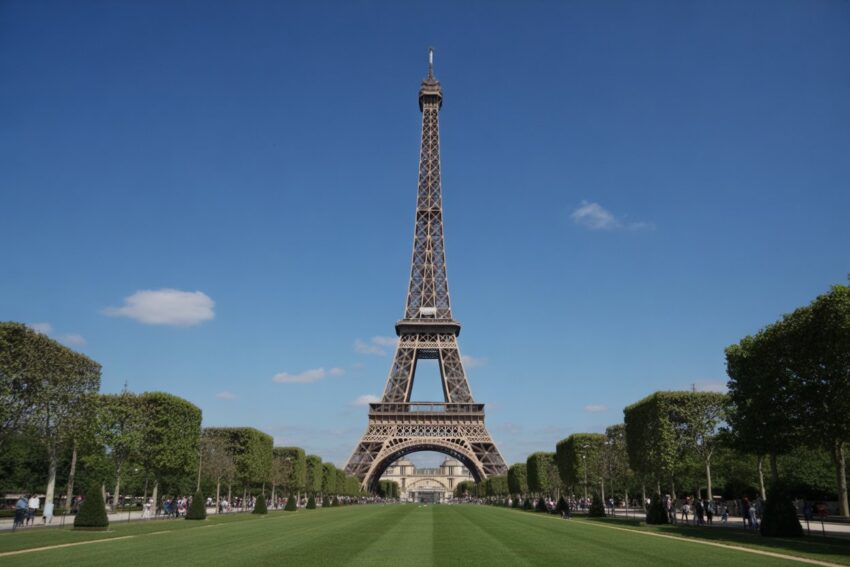
France is stepping up its efforts to manage tourism by increasing entry fees and imposing stricter regulations on tourist behavior in 2026. With the increasing number of visitors to Paris, Nice, and other famous French destinations, the country is making it clear that sustainable tourism is now a priority.
Louvre Museum Ticket Price IncreaseLouvre Museum: The ticket price for non-European visitors has increased from €22 to €32, a 45% increase.The revenue will be used for renovations, security upgrades, and preserving the museum’s invaluable art collections.Cruise Passenger Limits in CannesCruise Passenger Cap: Starting in 2026, Cannes will allow a maximum of 6,000 cruise passengers per day to disembark at the port. The city has placed strict limits on the number of passengers to reduce congestion during peak cruise seasons.France: Managing Visitor Impact at Iconic LandmarksTourism MeasureFee/DetailsWho’s Affected?What You Need to KnowLouvre Museum Price Hike€32 (non-EU visitors)Non-European visitors45% price increase to improve museum facilitiesCruise Passenger Caps6,000 per dayCruise tourists in CannesLimits cruise passengers to reduce congestionBelgium: Managing Cruise Ship Arrivals and Group Sizes
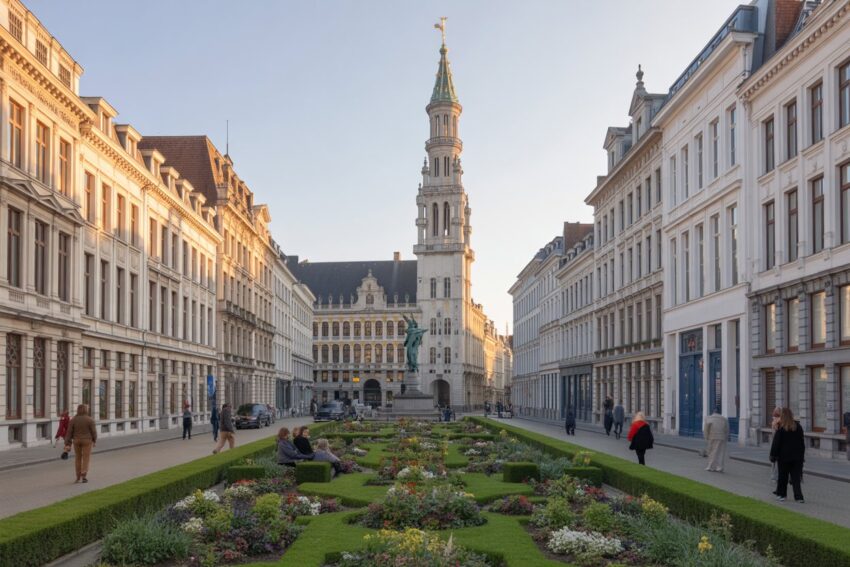
In Belgium, particularly in Bruges, authorities are taking a more calculated approach to tourism by limiting cruise ship arrivals and restricting group sizes. These actions are designed to preserve the historical charm of the city and ensure a better experience for everyone.
Cruise Ship and Group Tour Caps in BrugesCruise Ship Limit: Only two cruise ships per day will be allowed to dock in Bruges.Group Tour Cap: Guided tours in Bruges will be capped at 20 people to prevent overcrowding and reduce pressure on the narrow streets.Accommodation Tax in Brussels and BrugesAccommodation Tax: Cities like Brussels and Bruges charge €3–€5 per night for overnight stays, with the money going towards improving local infrastructure and supporting the maintenance of historical sites.Belgium: Keeping Bruges Charming and LivableTourism MeasureFee/DetailsWho’s Affected?What You Need to KnowCruise Ship Limits2 per dayCruise tourists in BrugesPrevents overcrowding in historic areasGroup Tour Size Cap20 peopleAll guided tour groupsHelps reduce congestion in narrow streetsAccommodation Tax€3–€5 per nightTourists staying in Brussels or BrugesFunds city services and heritage preservationNorway: New Overnight Tourist Tax
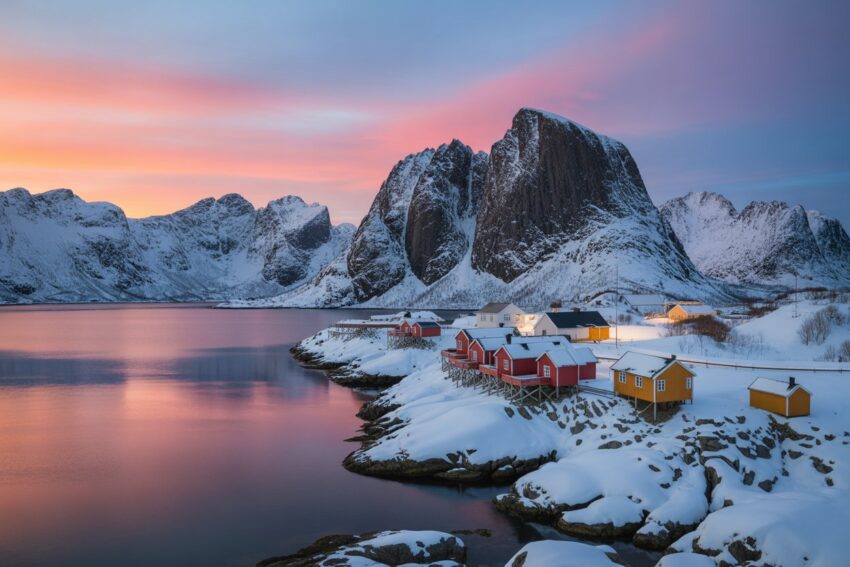
Norway is introducing a tourist tax to help fund the upkeep of its incredible natural resources and reduce the environmental impact of mass tourism.
Norwegian Overnight Tourist TaxTourist Tax: Starting in 2026, a 3% tax will be applied to overnight stays in popular Norwegian destinations such as the Lofoten Islands and the Norwegian Fjords.The tax revenue will help maintain public facilities, trails, and local infrastructure that are increasingly strained by tourism.
This is part of Norway’s ongoing commitment to ensuring that its natural beauty is preserved for future generations while still welcoming visitors.
Norway: Protecting Fjords and Nature with Tourism FeesTourism MeasureFee/DetailsWho’s Affected?What You Need to KnowOvernight Tourist Tax3%Overnight visitors in key tourist regionsFunds nature preservation and infrastructure upkeepCruise Passenger LevyN/ACruise passengersHelps mitigate environmental impacts in sensitive areasWhat This Means for Travelers in 2026
If you’re planning a trip to Europe in 2026, be prepared for a new reality of fees, taxes, and visitor caps. These changes are designed to ensure that tourism remains sustainable and that Europe’s iconic sites are protected for future generations. Here’s what you should expect:
Entry fees for famous sites like the Trevi Fountain and Louvre Museum.Overnight taxes in places like Iceland, Norway, and Switzerland.Cruise passenger limits in France and Belgium to reduce congestion at ports.Pre-booking requirements for popular sites like the Pantheon in Rome.
These changes reflect a growing movement across Europe to manage tourism in a way that is sustainable, fair, and beneficial to both residents and visitors. While these new policies might seem like an inconvenience at first, they are essential for maintaining the balance between tourism and preservation. Travelers are encouraged to plan ahead, book tickets in advance, and factor in these new fees into their budgets.
In 2026, Europe is not turning its back on tourism. Instead, it is taking steps to ensure that tourism remains a positive force for both visitors and locals. By embracing sustainable travel, you are helping to protect the destinations you love for future generations.
In 2026, Italy joins Iceland, Switzerland, France, Belgium, Norway, and more in tackling overtourism. Italy is introducing tourist taxes, visitor caps, and entry fees like the €2 charge at the Trevi Fountain to foster sustainable travel and preserve cultural heritage.
In conclusion, Italy’s decision to implement new tourist taxes, entry fees, and visitor caps in an effort to counteract overtourism, along with Iceland, Switzerland, France, Belgium, Norway, and others, represents a major step toward more environmentally friendly travel. These steps are intended to protect Italy’s cultural legacy for coming generations in addition to lessening crowding. It is evident that striking a balance between tourism and social and environmental responsibility is crucial as nations throughout Europe adopt comparable regulations. By making these adjustments, Italy protects its natural beauty and famous sites from the negative impacts of excessive tourism.
