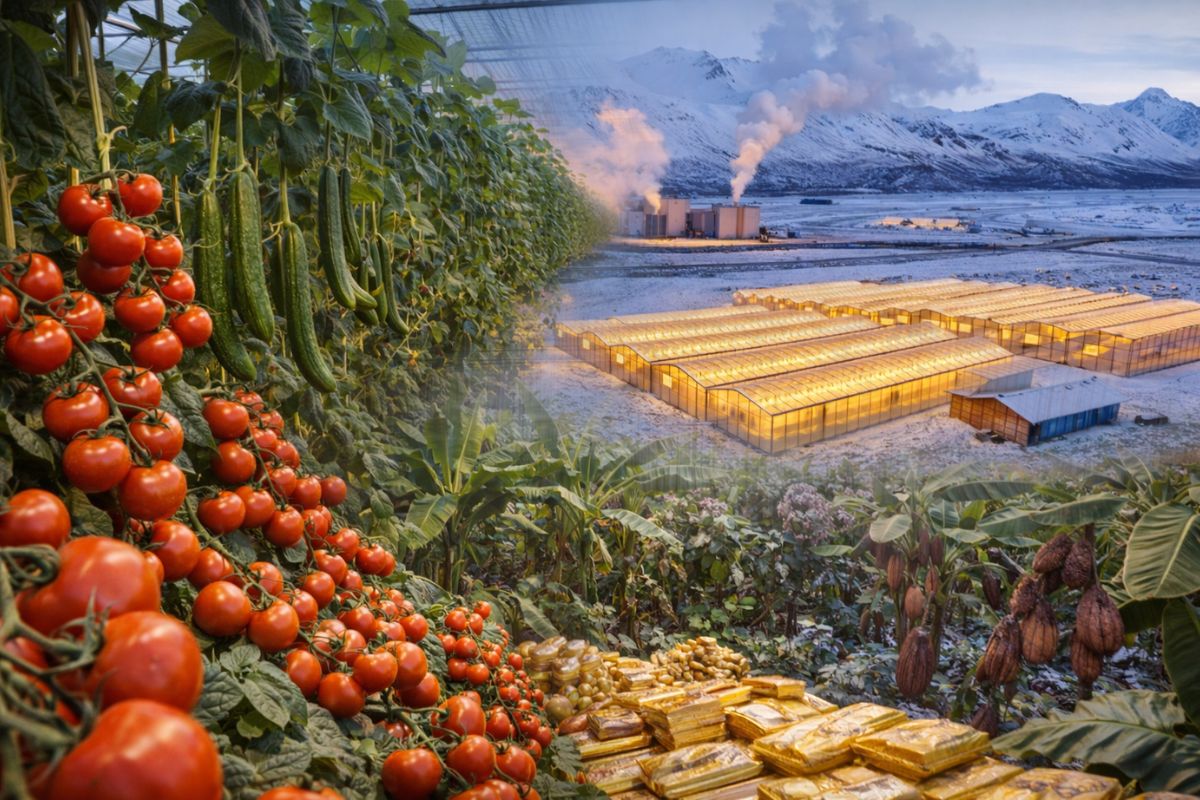
By relying on greenhouses heated by geothermal energy, Iceland already produces 70% of the tomatoes and almost 100% of the cucumbers it consumes, cuts imports from Europe, and is even testing bananas and cocoa as a showcase of sustainable agriculture in extreme climates.
What seems impossible on climate maps is becoming routine in the Atlantic Arctic. With greenhouses heated by geothermal energy, a country with cold summers and dark winters is showing that vegetables, fruits, and even tropical crops can thrive inside glass structures heated by boiling water that comes from underground. Today, a large portion of the tomatoes, cucumbers, and fresh leafy greens that reach Icelandic tables are grown locally, reducing trucks, ships, and dependence on imported vegetables from Spain and the Netherlands.
At the same time, families, small producers, and researchers are experimenting with different approaches, using or dispensing with greenhouses heated by geothermal energy. On one hand, there are farms that channel volcanic heat to produce year-round. On the other, there are projects like Hildur’s, in the icy fjords, which prove that it’s possible to harvest roots, leaves, and even acidic fruits in cold greenhouses, simply by fine-tuning management and respecting the rhythm of the seasons.
A country where the heat comes from the ground, not the sky.
Growing vegetables outdoors in Iceland is nearly impossible. Even in August, the temperature barely rises above 12 degrees Celsius and the weather changes rapidly.
See also other features
By cutting all agricultural subsidies in just one year, New Zealand destroyed farms, forced painful changes, reduced herds, and ultimately transformed a rural crisis into a global showcase of efficiency, competitiveness, and market discipline without backing down or retreating.
After purchasing an abandoned 65-acre farm, a cleanup reveals documents, a rustic house, forgotten vehicles, hidden tracks, and clear signs that the site was used as a Russian survival training camp.
Robots that uproot weeds with lasers and learn on their own: US company creates super-brain trained with 150 million plants to revolutionize agriculture in the field.
John Deere inaugurates a new factory in Canoas to produce the 1025E sprayer and expand its presence in Brazilian agribusiness.
But Beneath your feet, the reality is quite different: the volcanic island sits atop a massive heat reservoir., which emerges from deep wells in the form of boiling water.
Today, around 90% of the country’s homes use district heating with geothermal water, and the same energy grid powers geothermal-heated greenhouses in the southwest of the island.
The logic is simple and powerful. Hot water pumped from underground circulates through pipes in the floor or walls of the greenhouses, maintaining a temperature of around 20 degrees and creating an “artificial summer” in the middle of cold, windy fields.
It is this constant warmth that allows Iceland produce about 70% of the tomatoes they consume and almost 100% of the cucumbers indoors., under glass, with greenhouses heated by geothermal energy.
Direct result: fewer containers of vegetables crossing the Atlantic, greater food security, and more income circulating within the territory itself.
Near Reykjavik, Thomas’s family transformed a 100-square-meter area into a small plant paradise. Outside, a cold wind blows and the temperature is 12 degrees Celsius.
Inside, Thanks to greenhouses heated by geothermal energy, the thermometer reads a comfortable 20 degrees. And tomato plants climb the ceiling, laden with colorful fruit.
Thomas, a software developer by profession, decided to return to his family’s old property to relive the flavors of his childhood.
First, he tried regular seeds, bought in Iceland. The taste wasn’t even close to what he remembered.
So began a hunt for ancient and native varieties around the world, until she found tomatoes that delivered acidity, sweetness, and aroma similar to those she had as a child.
Today, he grows more than 30 types of tomatoes and It takes advantage of greenhouses heated by geothermal energy to extend the season from May to November., picking cherry tomatoes, elongated, large, striped and of various colors.
The routine has become part of the family’s life. The wife and son help with the harvest, and their favorite dish is simple and flawless: pasta with fresh tomatoes straight from the greenhouse, garlic, basil, and herbs picked a few hours earlier.
For them, the impact is concrete. It’s very different to open a supermarket package and instead cook with something you saw grow, pruned, watered, and harvested.
In this case, greenhouses heated by geothermal energy are not just technology: they are a way to reconnect with flavor and memory.
From tomatoes to cocoa: when geothermal energy creates “tropics” in the Arctic.
The same logic behind greenhouses heated by geothermal energy that makes tomatoes and cucumbers viable has opened up space for even bolder experiments.
At the Icelandic Agricultural University, researchers have been testing for decades what geothermal energy can enable for planting so far north.
Inside an experimental winter chamber heated year-round by hot water pipes, Banana plantations are growing in the northernmost part of the planet., kept at around 20 degrees.
The plants bloom, form clusters, and produce fruit that feeds the university itself, but the verdict is harsh: with dark days, no artificial light, and a long ripening time, the crop is not profitable on a commercial scale.
Even so, the results are symbolic. The 50 banana plants show just how far the combination of greenhouses heated by geothermal energy and careful management can go.
Alongside them, another star draws attention. After more than ten years of trying, researchers harvested the second cocoa plantation entirely produced in Iceland.
The first capsule yielded only 13 seeds, enough for a single bar of Icelandic chocolate. The second capsule contained more than 20 seeds, a small leap for the laboratory, but a huge symbol of the possibilities opened up by geothermal energy.
There is no Icelandic cocoa in supermarkets, and researchers know this. The goal is not to become a chocolate exporter, but rather to show that, in a country with cold, wind and little light, the right technology allows testing limits, diversifying agricultural knowledge and inspiring solutions for cold regions on other continents.
While greenhouses heated by geothermal energy dominate the southwest, there are regions of Iceland where underground heat simply doesn’t reach.
In the more isolated and cold western fjords, Hildur decided to take the opposite approach. Instead of searching for hot water pipes, She chose to cultivate them in cool, unheated greenhouses, relying solely on weak sunlight, skill, and creativity.
A landscape architect by training, Hildur refuses to rely solely on supermarket vegetables. During the summer months, she moves with her family to a dome-shaped house that combines living space and a greenhouse.
There, she uses sheep’s wool to protect roots from the cold, applies permaculture principles, and takes advantage of every ray of sunshine to bring remolach, pumpkins, zucchini, and leafy greens to the kitchen.
On the slopes of the fjords, she also maintains a terraced garden where she grows cold-hardy cabbages and root vegetables, as well as strawberries that sometimes don’t quite turn red, but remain edible, tart, and surprising.
Hildur’s thesis is simple and powerful: it’s not impossible to grow vegetables outdoors in Iceland, it just requires more patience, observation, and respect for the rhythm of the seasons.
For her, greenhouses heated by geothermal energy are an important option for the country, but not the only answer.
Hildur prefers to reduce energy use, make his own compost, save seeds, avoid artificial fertilizers, and show that, even without heat underground, it is possible to move towards self-sufficiency.
Local food, shared knowledge, and the future of sustainability.
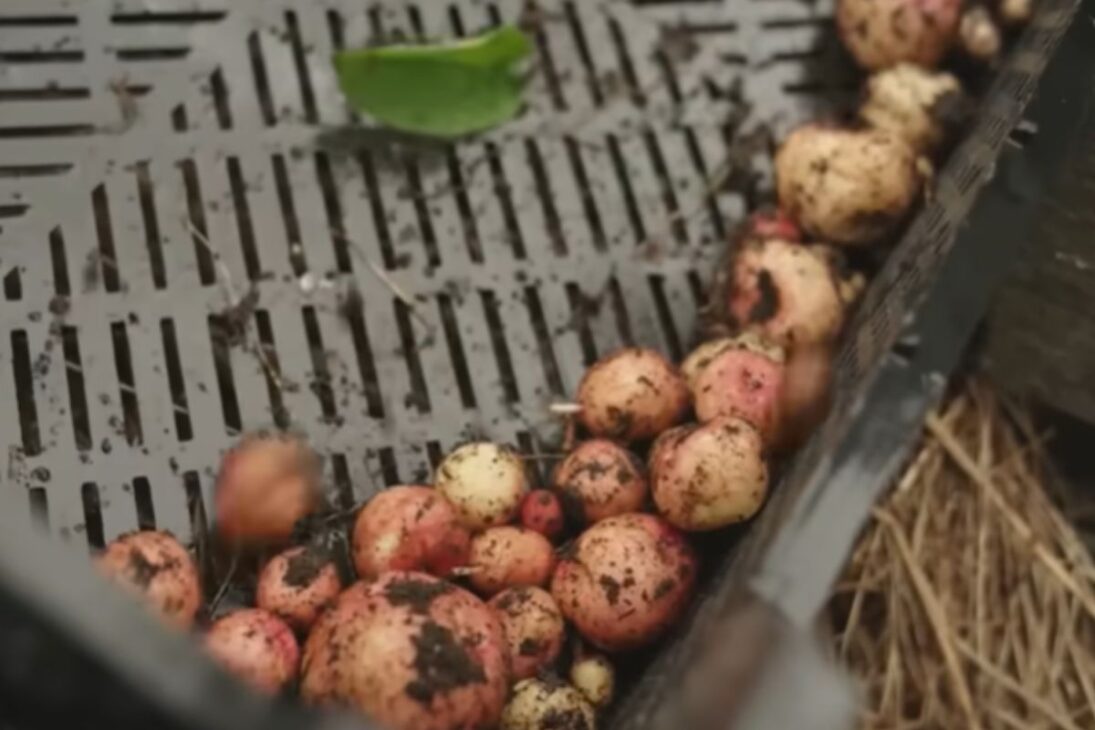
Across the entire country, the combination of greenhouses heated by geothermal energy, family projects and university experiments It is redrawing the food map.
Iceland, which for a long time depended almost entirely on fish, meat, and fermented foods, is now seeing vegetables, leafy greens, and fruits gaining prominence in dishes and culinary identity.
Chefs from Reykjavik crisscross the island to fetch Thomas’s tomatoes, harvested in the morning and served a few hours later in broths, salads, and elaborate dishes.
In the fjords, Hildur organizes workshops in her terraced garden and shares plots with neighbors, teaching them in practice how to plant, care for, and transform harvests into herb salt, sauerkraut, and preserves.
The common thread connecting these stories is the idea that access to quality food depends on both technology and culture.
Geothermal-heated greenhouses reduce imports, shorten distances, and help stabilize supply.but they alone don’t solve everything.
They work best when accompanied by attentive producers, more demanding consumers, and policies that respect environmental limits.
In a small, cold, and isolated country where the heat comes from the ground and not from the climate, Iceland is proving that sustainable agriculture in extreme cold is more than just marketing.
It is the result of an equation between clean energy, patient experimentation, and people willing to rethink their relationship with what they eat.
If every village has its own community garden and every region makes the most of its geothermal-heated greenhouses, the dream of an Iceland that is almost self-sufficient in vegetables ceases to be a utopia and becomes strategic planning.
Ultimately, the Icelandic “vegetable miracle” lies not only in greenhouses heated by geothermal energy, but also in the willingness to use this resource carefully and to recover knowledge that, as Hildur reminds us, already existed since the time of the Vikings.
And you, looking at the climate and reality of your region, Do you believe that greenhouses heated by geothermal energy or other local solutions could truly change the way your city produces and consumes fresh food?