Published on
February 4, 2026
Italy, alongside Poland, Spain, France, Austria, Finland, Romania, and other Schengen countries, has been granted the option to temporarily pause the Entry/Exit System (EES) by April 2026. This flexibility is being offered to manage potential travel disruptions during peak travel seasons, particularly in the summer when high passenger volumes could overwhelm the system. The EES, which requires biometric data collection for all non-EU travellers entering and exiting the Schengen Area, has faced operational challenges. To prevent long queues and ensure a smoother travel experience, these countries can now choose to suspend the system temporarily, providing relief for both travellers and border control authorities.
The European Union’s new Entry/Exit System (EES) is a groundbreaking initiative that aims to streamline border checks and improve security across Europe. However, as it begins rolling out, many countries are facing operational challenges. In response, several Schengen nations have been given the green light to temporarily suspend the system during peak travel seasons. This decision could impact millions of travellers, making it crucial to understand what this means for the future of European travel.
In this article, we’ll dive deep into the temporary suspension options available to Schengen Area countries. We’ll explore how this affects you as a traveller, which countries are currently implementing or planning to implement this change, and why this flexibility could make a big difference during busy travel periods.
What is the Entry/Exit System (EES)?
The Entry/Exit System (EES) is designed to replace the traditional stamping of passports at border control. It collects biometric data (like fingerprints and facial images) from travellers entering and exiting the Schengen Area, creating a digital record of each visit. This will help authorities track how long visitors are staying in the area and ensure they are not overstaying the permitted 90/180-day limit.
This system, which officially started operating on October 12th, 2025, aims to enhance security, simplify border control procedures, and reduce the chances of illegal immigration. The EES will be fully implemented by April 2026, but it’s already clear that the system’s roll-out has faced significant operational issues.
Challenges with EES Implementation
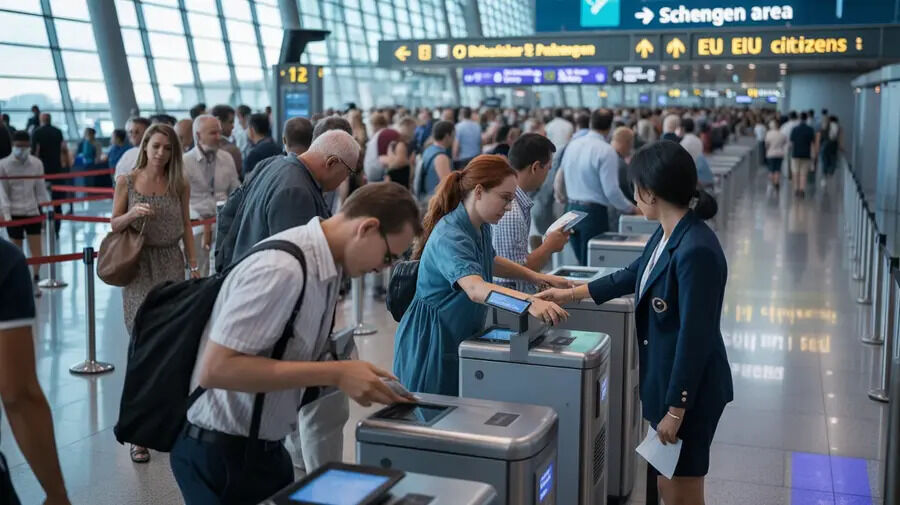
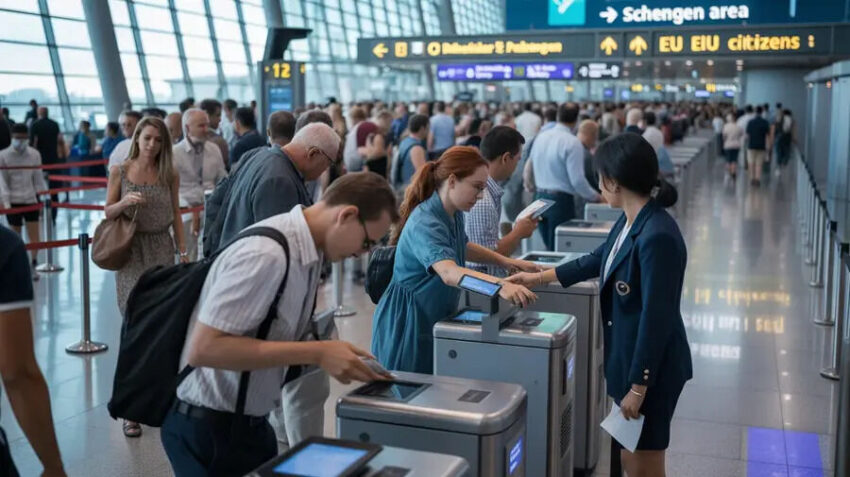
While the EES is a necessary step towards modernising Europe’s border management, the system has not been without its problems. Many airports and border crossings are facing long processing times as the new biometric data systems are being integrated. There have been queues and delays reported at several key airports, especially during busy travel periods.
Advertisement
Advertisement
As a result, some Schengen countries are now exploring options to suspend EES checks temporarily to avoid further disruption, particularly during the peak summer months when tourist traffic is at its highest. This would allow these countries to better manage travel congestion and ensure that visitors don’t face overwhelming delays.
The Green Light for Temporary Suspension
The European Commission has given Schengen countries the flexibility to temporarily suspend the Entry/Exit System if needed, particularly during the summer travel peak. This measure was introduced to reduce queues and improve passenger flow during high-traffic times. The suspension can last up to 90 days, with a possible 60-day extension if necessary.
Advertisement
Advertisement
But what does this mean for you as a traveller? Essentially, this means that border checks could become less stringent during these high-demand periods, as authorities focus on reducing wait times and ensuring smoother passage for travellers.
Countries with the Ability to Temporarily Suspend EES
The following Schengen Area countries now have the option to suspend EES checks during busy periods, such as the summer travel season:
ItalyPolandSpainFranceAustriaFinlandRomaniaBelgiumBulgariaCroatiaCzech RepublicDenmarkEstoniaLatviaLithuaniaLuxembourgMaltaNetherlandsSlovakiaSloveniaSweden
These countries are part of the Schengen Area, which includes 25 European Union member states, along with Iceland, Norway, Switzerland, and Liechtenstein. Together, these nations share a common travel area where border checks are generally not required between them. The EES system is being gradually rolled out across these 29 countries, but they are all permitted to suspend it temporarily if needed.
Italy Joins Other Schengen Countries in Temporary Suspension
Italy is among the countries that will have the green light to pause the Entry/Exit System if required. This follows the launch of the system in October 2025, which has seen some initial hiccups in implementation. Italy’s busy airports, like Rome’s Fiumicino and Milan’s Malpensa, have experienced long queues, and the government is now preparing to manage potential disruptions.
Italy joins other countries like Poland, Spain, France, and Austria that have also expressed concerns over the impact of the new system during the busy summer months. The ability to temporarily suspend the system will help reduce the frustration of travellers and ensure smoother operations at airports and land borders.
Which Countries Are Implementing or Could Implement Suspension?1. Poland
Poland is another country that has expressed interest in using the temporary suspension option. Warsaw’s Chopin Airport has already seen a surge in passenger numbers, and there are concerns about delays at key border points. The Polish government is prepared to temporarily pause EES checks if necessary, ensuring that passengers don’t face extended waiting times.
2. Spain
Spain, home to some of Europe’s busiest airports like Barcelona and Madrid, is likely to join the list of countries that may suspend EES checks during the summer. The Spanish tourism sector has been vocal about its concerns regarding the operational issues of the system. Many of the major airports have faced bottlenecks, and the tourism industry has asked for more police officers and functional passport control machines to help ease congestion.
3. France
As one of the largest tourist destinations in the world, France is another country where EES suspensions could be implemented. Airports like Paris Charles de Gaulle have reported significant queues since the launch of the EES, with many travellers facing longer-than-usual waiting times. France has already acknowledged the potential for disruption during peak seasons and is looking into how it can ease the burden on travellers.
4. Austria
Austria has also been included in the group of Schengen countries that have been given the flexibility to suspend the EES. Austrian airports, particularly Vienna International, have had challenges with the new system, and the government is considering the suspension of certain biometric checks to make border crossings more efficient.
5. Finland
Finland, a key part of the Schengen Area, is another country where EES checks may be paused if the system continues to cause delays. Finland’s Helsinki-Vantaa Airport has seen traffic increases and the government is prepared to suspend biometric registration temporarily to ensure that travellers can move through the border smoothly during busy travel periods.
6. Romania
Romania, which is still not a full member of the Schengen Area, is also included in the list of countries that will have the option to suspend EES checks. Romania’s position in the EU means it has a strong interest in ensuring smooth border operations, particularly during peak seasons.
Other Schengen Countries Have the Right to Suspend EES
In addition to the countries already listed, all Schengen Area countries have the right to temporarily suspend the Entry/Exit System (EES) if they face operational challenges, especially during peak travel periods. This includes both current Schengen members and non-EU Schengen associated states. These countries are empowered to use the flexibility provided by the European Commission to pause biometric checks when necessary, allowing for shorter queues and better management of border traffic. This ensures that if the system becomes overloaded or if long delays occur at certain border points, these nations have the tools to adapt and maintain smooth travel for their visitors. Therefore, all 29 Schengen Area countries, including Iceland, Liechtenstein, Norway, and Switzerland, have the potential to implement temporary suspensions of the EES if required, providing reassurance to travellers that disruptions will be managed effectively.
What Does This Mean for Travellers?
The ability to temporarily suspend the Entry/Exit System provides Schengen countries with a powerful tool to manage their border operations and reduce travel disruptions. For travellers, this could mean:
Shorter Wait Times: Passengers may experience faster processing at border points during peak periods.Smoother Travel Experience: The suspension option helps maintain efficiency and flexibility in handling high volumes of passengers.More Focused Border Control: Authorities will have the ability to prioritise passenger flow, ensuring that operational problems don’t become a barrier to smooth travel.
For those planning to travel to Europe in the coming years, this option offers reassurance that countries will be able to adapt to the changing demands of tourism and minimise disruptions. Whether you’re flying into Paris, Rome, or Warsaw, the ability to pause the system during the summer rush will help to ensure that your journey remains as seamless as possible.
Conclusion: Europe’s Border System Faces Challenges But Offers Flexibility
The Entry/Exit System (EES) promises to revolutionise border management across the Schengen Area. However, its implementation has faced significant challenges in terms of long wait times and operational disruptions. In response, countries like Italy, Poland, Spain, France, Austria, Finland, and Romania are now empowered to temporarily suspend the system to avoid major travel chaos during peak seasons.
As we move towards the full roll-out of the EES in April 2026, these nations are being given the flexibility to pause the system if necessary. This decision will allow them to manage high volumes of passengers efficiently while maintaining the safety and security of Europe’s borders.
Italy, along with Poland, Spain, France, Austria, Finland, Romania, and more Schengen countries, now has the option to temporarily pause the Entry/Exit System (EES) by April 2026 to ease potential travel disruptions during the busy summer months, ensuring smoother border control operations.
For travellers, this means that while the EES may cause some initial disruptions, authorities are ready to take action and ensure that the summer rush doesn’t turn into a travel nightmare. With this option in place, travellers across Europe can be confident that their journeys will be smoother, even in the face of technological challenges.
