As IMF projects 1.5% share by 2026
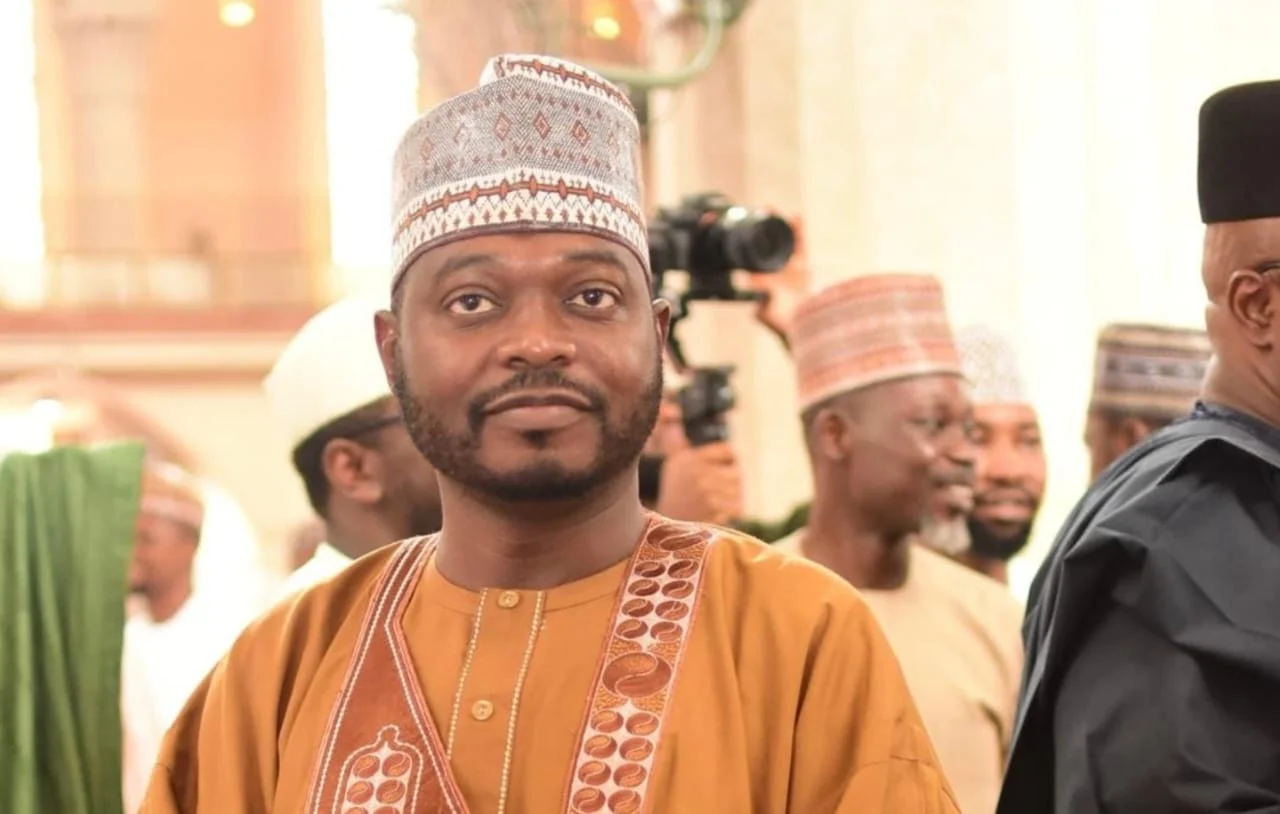
Harvard University alumnus and Chief Executive Officer of Cubical Vertex Solutions Limited, Abdullahi Hashim, has stated that the new tax regime is already reshaping global perceptions of the country’s economy, with the International Monetary Fund (IMF) projecting that Nigeria will contribute 1.5 per cent to global Gross Domestic Product (GDP) by 2026.
Hashim, who is also a member of the Nigerian Society of Engineers (NSE) and the Council for the Regulation of Engineering in Nigeria (COREN), said the IMF’s outlook reflected growing international confidence in Nigeria’s economic direction, provided that the reforms were properly implemented.
The Harvard University alumnus disclosed this during an interview with journalists in Abuja yesterday.
He further explained that the projection was directly linked to the new tax reforms, which had signalled to the international community that Nigeria was attempting to fix long-standing structural weaknesses.
Hashim said: “And the issue now is that the IMF also puts Nigeria as a real global GDP contributor of 1.5 per cent. Do you know the reason? It’s based on these particular new tax reform laws. It’s projected for 2026, Nigeria will contribute to the global GDP with 1.5 per cent.”
The former top official of Public Private Partnerships (PPP) under the late President Umaru Musa Yar’Adua and former President Goodluck Jonathan further disclosed that, beyond the global recognition, the potential domestic gains could be significant, especially in employment creation and foreign direct investment inflows.
When asked about the advantages and disadvantages of the new tax reforms, Hashim said, “Yeah, there are certain disadvantages. But the main advantage is that if truly implemented and the factors put in place are realistically adhered to, the system is supposed to provide the country with employment, which will boost foreign direct investment, because it is shown that Nigeria is doing well. So, that is what that means.”
But Hashim warned that Nigeria’s long-standing habit of copying foreign laws without adapting them to local realities could undermine the success of the tax reforms and other major policies.
He also argued that many Nigerian laws failed not because they were poorly drafted, but because they were rushed through the legislative process without proper contextualisation.