By Curtis Williams and Dagmarah Mackos
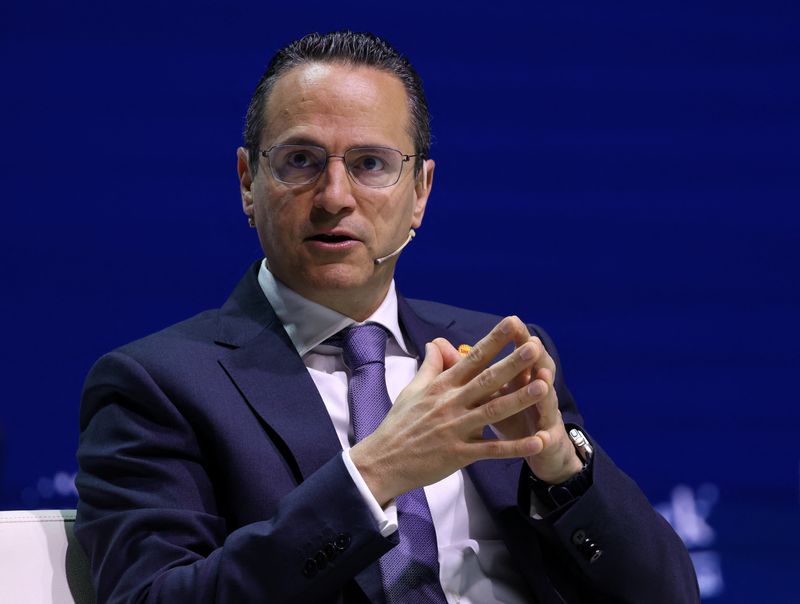
Feb 5 (Reuters) – Shell hopes to produce gas from Venezuela’s Dragon field in three years and have it processed in Trinidad and Tobago for export, CEO Wael Sawan told Bloomberg TV in an interview on Thursday.
Shell and Trinidad have been trying to increase the supply of natural gas to Trinidad’s Atlantic LNG export facility and broader petrochemical sector amid shortages due to dwindling supplies from the Caribbean island.
Shell and Trinidad National Gas Company were in 2024 jointly granted a 30-year license by Venezuela’s government to operate the 4.5 trillion cubic feet Dragon gas field, which is in Venezuela’s waters but only a few miles from existing energy infrastructure in Trinidad.
Shell would require a license from the U.S. Office of Foreign Assets Control to operate in Venezuela because of U.S. sanctions.
Trinidad and Tobago was granted its first OFAC license for the Dragon field in January 2023, and Shell and state gas firm NGC were named as licensees. That license was cancelled in May 2025, while a new one was issued in October allowing negotiations to take place regarding the development of the Dragon field.
“We are waiting at the moment for those OFAC licenses from the U.S. government, and within a relatively short time, we believe that we could potentially get to a final investment decision and production a couple of years after that,” Sawan said.
He told CNBC in a separate interview on Thursday that the Dragon gas opportunity could be “activated within months”.
With the removal of Venezuelan President Nicolas Maduro and the U.S. pushing for investment in Venezuela’s energy industry, Shell believes the development of the Dragon gas field is in line with the U.S. strategy.
“It will be good for the Venezuelan people. It’d be great for the Trinidadians, and I think it’s very much in line with the policy of what the U.S. is trying to do. So on balance, we think we can play an important role in that space,” Sawan said in the Bloomberg interview.
(Reporting by Curtis Williams and Dagmarah Mackos; Editing by Nathan Crooks and Nia Williams)