Western sanctions are exerting a “significant impact” on Russia’s economy, the European Union’s sanctions envoy has said, as the fourth anniversary of Moscow’s full-scale invasion of Ukraine approaches, according to reporting by The Guardian on February 5.
David O’Sullivan, a veteran Irish diplomat who serves as the EU’s special envoy for sanctions, acknowledged that restrictions are “not a silver bullet” and remain vulnerable to circumvention. Still, he said he is increasingly confident the measures are weakening Russia’s economic foundations.
We bring you stories from the ground. Your support keeps our team in the field.
“I am fairly bullish. I think that the sanctions have really had a significant impact on the Russian economy,” he said in an interview.
“We may be, in the course of 2026, coming to a point where the whole thing becomes unsustainable, because so much of the Russian economy has been distorted so much by the building up of the war economy at the expense of the civil economy. I think defying the laws of economic gravity can only go on for so long.”
Despite sustaining its military campaign, Russia’s broader economy is showing signs of strain. Oil revenues are falling sharply, inflation is hovering near 6%, and interest rates have climbed to about 16%, conditions analysts describe as the most severe since the early phase of the war.
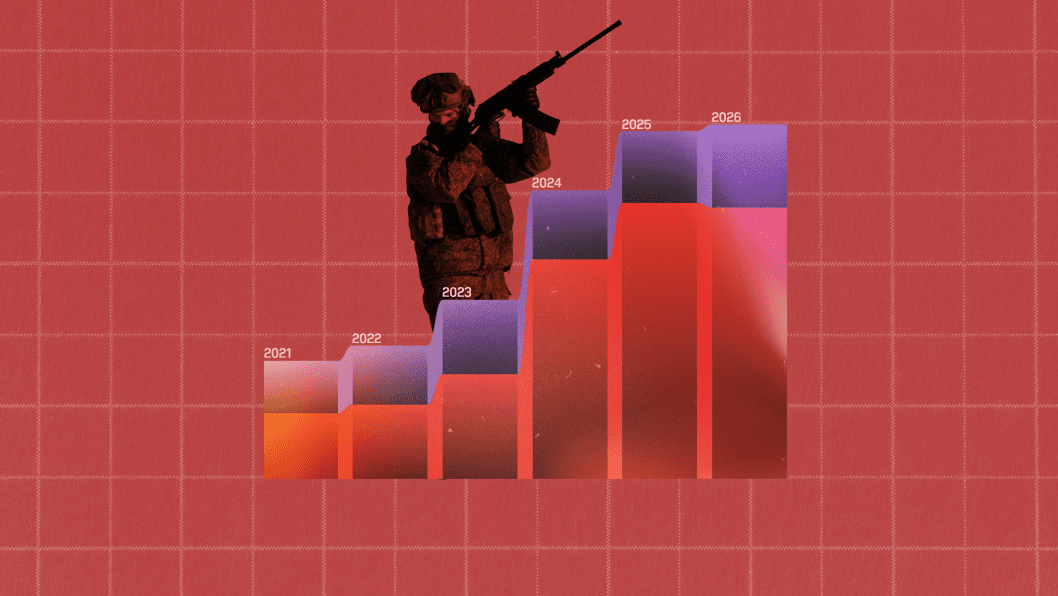
Since the full-scale invasion in 2022, the EU has enacted 19 rounds of sanctions targeting more than 2,700 individuals and entities while cutting trade across major sectors including energy, aviation, technology, luxury goods, diamonds, and gold.
O’Sullivan said most sanctions evasion stems from private commercial actors seeking profit rather than coordinated government policy. The EU has worked to curb the re-export of sensitive components through regions such as Central Asia, the Caucasus, Turkey, Serbia, the United Arab Emirates, and—more limitedly—Malaysia.
China remains a notable exception, he said, describing Beijing as effectively “backfilling and providing support” to Russia, though not through direct weapons transfers. European leaders have repeatedly raised the issue with Chinese officials, receiving consistent denials.
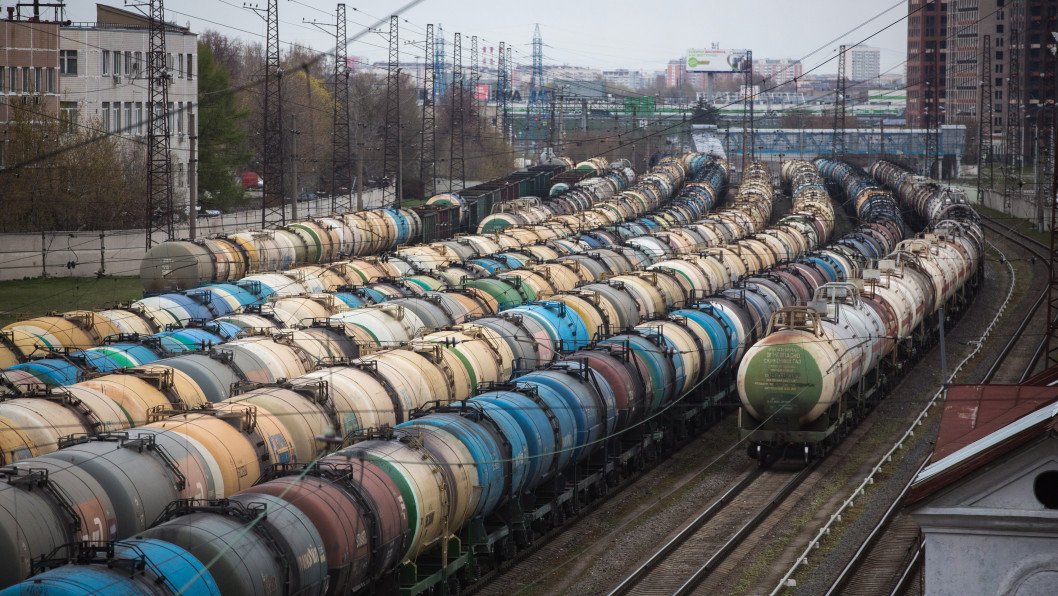
The EU has also targeted Russia’s so-called shadow fleet—aging oil tankers operating under opaque ownership structures. Nearly 600 vessels had been sanctioned by December.
-65865cf743e20f7e38aac5576d55e66c.jpg)
“We’ve been very successful in getting flag states to remove their flags from sanctioned vessels. I think we have tightened the screws on that particular form of circumvention, very considerably. I think the Russians are struggling to keep the oil flowing,” O’Sullivan said.
Russian federal budget income from oil and gas—long the backbone of the country’s finances—fell by half in January to its lowest level since July 2020, according to Russia’s finance ministry.
At the same time, the EU has faced criticism from Washington for not applying tougher pressure, particularly after signing a trade agreement with India that did not further restrict purchases of Russian oil. O’Sullivan defended engagement with New Delhi, calling India “a hugely important country” and arguing cooperation yields greater influence than isolation.
His team is closely monitoring roughly 300 high-priority products—items such as memory cards, optical readers, and circuit boards—that have been discovered inside Russian weapons systems despite not requiring export licenses.
“If you go to Kyiv, to the Forensic Science Institute, you can see, after they are deconstructed, where the components come from, and unfortunately they come mainly from western countries, whether the US, the EU, Switzerland or the UK. It’s embarrassing for us all,” he said.
Ukraine’s Foreign Ministry said separately that sanctions pressure has pushed Russia’s economy into a “critical state” and must be maintained to force Moscow to halt its aggression.
“The Russian economy is in a critical state right now, as a result of sanctions and other pressure put on it by Ukraine’s allies—pressure is currently colossal and must continue in order to force Russia to end its actions. They will use any methods they have—including nuclear blackmail—to manipulate peace talks and delay conversations about a real ceasefire agreement. Regardless, allies must maintain firm positions and keep up pressure to see this to its end,” the ministry said on February 4.
Earlier, Russian consumers became sharply more pessimistic about the economy in January, with the Bank of Russia’s survey-based expectations measures falling to their lowest levels in more than three years.
-457ad7ae19a951ebdca94e9b6bf6309d.png)

We report from the front lines to show the reality of war. Your support helps us stay there and tell the stories that matter.