
Source: Getty Images
(Bloomberg) — The European Union is bracing for a protracted energy price shock after Iran crippled a vital Qatar gas plant, raising the prospect of a years-long supply crunch.
During a summit in Brussels on Thursday, EU leaders expressed anxiety at the darkening economic situation and called for a “moratorium” on strikes against energy facilities in the US and Israeli war with Iran. Inside the room, Italian Prime Minister Giorgia Meloni warned that the energy situation is serious, according to people familiar with the matter.
Most Read from Bloomberg
“All countries will be negatively influenced if the situation continues,” Cypriot President Nikos Christodoulides said in an interview with Bloomberg Television Friday. “If we don’t deescalate, we don’t know how the situation will develop, and for sure, the repercussions are going to be serious in all aspects of the economy.”

WATCH: Cyprus wants a “frank, open discussion” with the UK government, Christodoulides says.Source: Bloomberg
Gas prices on Thursday surged to levels not seen in three years, while the European Central Bank said a prolonged disruption would push euro-zone inflation to 6.3% and trigger a brief recession. Already, the price hikes have added €7 billion ($8.1 billion) to Europe’s energy bills over the past two weeks, according to the European Commission, the EU’s executive arm.
The dire outlook is poorly timed, given the continent is just starting to address its low growth and problematic links to the US and China. These plans are all contingent on cutting Europe’s energy prices, which are several times above what competitors pay — not including the Iran war price shock.
Thursday’s events only offered a reminder of how exposed the continent remains to global markets, and how few tools the EU has to do something about it in the short-term.
“This is an absolutely worrisome situation,” Eurogroup President Kyriakos Pierrakakis told reporters before joining the EU leaders. “We’re absolutely discussing all scenarios, the better ones, or the worst ones.”
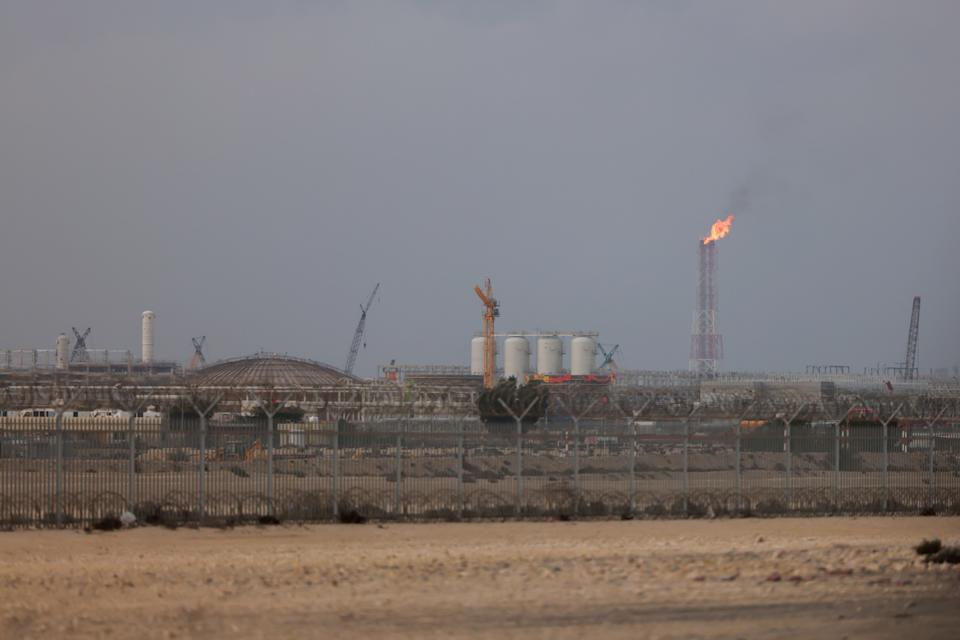
The latest energy price rally stemmed from an Iranian missile strike on the Ras Laffan complex in Qatar, which caused extensive damage to the world’s largest liquefied natural gas plant. Two facilities that produce 17% of the country’s LNG exports, or about 13 millions tons a year, were affected and it will take three to five years to repair them, QatarEnergy Chief Executive Officer Saad al-Kaabi told Reuters.
Story Continues