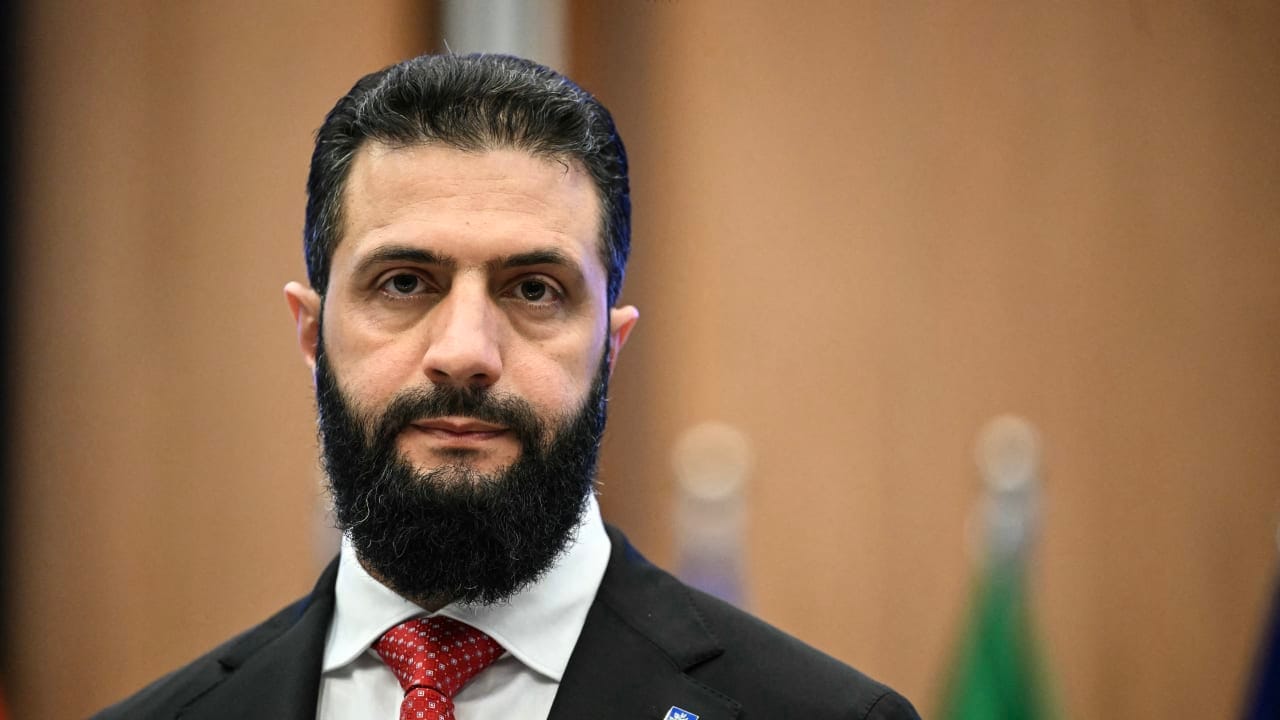
In a series of moves, the Syrian government of Ahmed al-Shara’a has reshuffled some of the country’s cabinet members. This is important because it is part of the government’s attempt to show transparency and also show that it is settling into power. The new government has been in power for roughly a year and a half since the fall of the Assad regime. During that period, Damascus faced many challenges.
The changes were announced by Syrian state media. There are questions about whether this means Damascus is being more inclusive or merely moving some appointments around. The government has provided some details on the appointments, but so far, there is not much in-depth coverage of the individuals.
The reshuffle also included the appointment of new governors for several key provinces. “President Ahmad al-Sharaa issued on Saturday four decrees appointing new governors for the provinces of Quneitra, Homs, Latakia, and Deir Ezzor as part of ongoing administrative changes,� SANA state media noted.
Ghassan Elias al-Sayyed Ahmad was appointed Governor of Quneitra. Quneitra is important because it borders the Golan and, therefore, is where Israeli forces are operating. Israel has established a buffer zone inside Syria, taking control of the 1974 ceasefire buffer zone and carrying out raids into Syria.
As such, the new governor will have to deal with local complaints by residents of this area who have complained about Israel’s actions. Some locals have been detained by Israel.
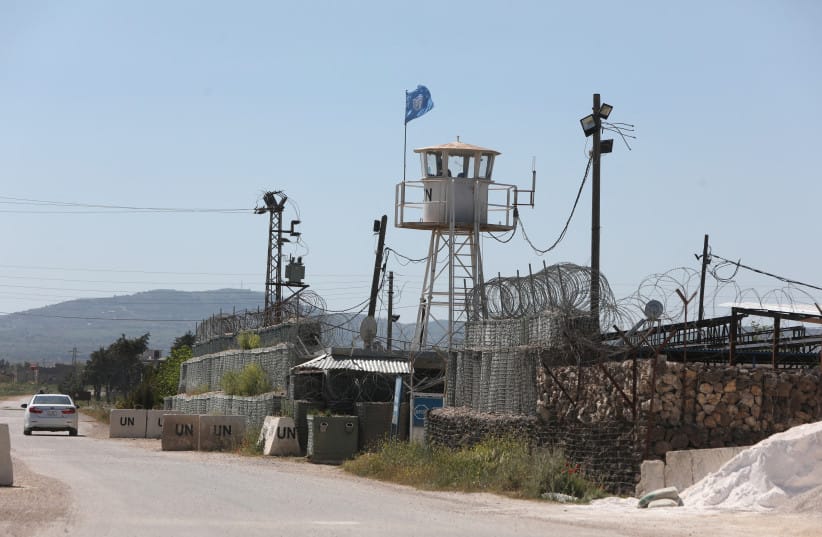 A car drives past an UN Disengagement Observer Force (UNDOF) outpost in the southern Syrian village of Khan Arnabah in the province of Quneitra on April 29, 2026. (credit: Bakr ALKASEM / AFP via Getty Images)
In addition to Quneitra, Murhaf Khaled al-Naasan as Governor of Homs. Homs is a large province in Syria. It stretches across the country from the city of Homs to the Iraqi border. The area near Iraq is restive, and this province requires significant work. This is because part of it is desert.
A former US base at Tanf used to border this province. Some of the former US-trained forces later joined Syria’s interior ministry and 70th Division. Keeping the area near the Iraqi border secure will be important.
Ahmad Ali Mustafa appointed governor of Latakia
The report also said that Ahmad Ali Mustafa was appointed governor of Latakia. Latakia is a province on the coast, home to many Alawites, the minority group that the former regime was from. The Assad family was Alawite, and many members of the minority served in the government. There have been attacks on Alawites and also kidnappings since the fall of the regime. The new governor will need to rein in any extremists.
In addition, Ziad Fawaz al-Ayesh has been appointed governor of Deir Ezzor. No information was given on the background of these men. Deir Ezzor is a province in central Syria along the Euphrates. It is a key area and has many Bedouin tribes. ISIS was once powerful along the Euphrates, and that means that the governor here will need to keep extremists in check and deal with complex tribal politics.
In addition to the new provincial leaders, the government has appointed Basel Hafez al-Suwaidan as Minister of Agriculture. He was born in 1984 and has a degree in agriculture from the University of Damascus. He later completed further engineering work in Idlib, where Shara’a led Hayat Tahrir al-Sham before coming to power.
He previously served as Deputy Minister of Agriculture and Assistant Minister for Administrative and Financial Affairs. Later, he led what was called the “Illicit Gains Committee.�
In addition, Shara’a has appointed Abdulrahman Badr al-Deen al-A’ma as Secretary-General of the Presidency of the Republic. He was previously the governor of Homs, which explains why that position has been replaced. Born in 1987, he is one of many young men in the new administration.
He has a Master’s Degree in Business Administration and received a “Diploma in Human Resources Management – The American Institute of Business and Development,� the government says. He has also served as Director of the Central Planning Authority.
In addition, Shara’a appointed Khaled Fawaz Zaarour as Minister of Information. Born in 1990, he was educated in Lebanon, where he received a PhD in Digital Media. This appointment appears to be a technocratic appointment to professionalize the ministry. “Held several academic and media positions, including: Dean of the Faculty of Media at Damascus University (2025) and Lecturer at Syrian and Lebanese universities (2015–2024),� Damascus says.
The appointments are important. It shows that Syria is being transparent and willing to replace people in various positions. This will be important for the government’s legitimacy. However, real legitimacy will come from elections, and Syria still needs to try to incorporate areas such as eastern Syria and find a way to work with the Druze in Suwayda. These appointments are cementing control in other areas.