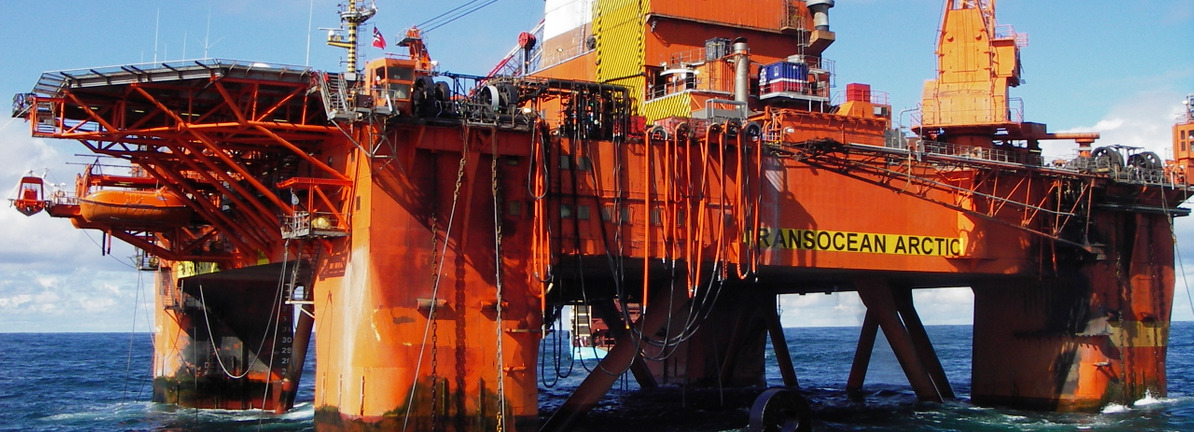
For investors watching offshore drilling, this update provides a fresh data point on how customers are using Transocean’s high specification fleet. NYSE:RIG focuses on deepwater and harsh environment drilling, and Equinor’s continued use of Transocean Encourage on the Åsgard field highlights ongoing activity on the Norwegian Continental Shelf.
This type of multi well extension can help smooth revenue visibility over the contract period and reduce idle time risk for the rig. It also illustrates how regulatory approvals and customer decisions intersect, which is worth tracking if you are assessing Transocean’s contract coverage and potential utilization patterns.
Stay updated on the most important news stories for Transocean by adding it to your watchlist or portfolio. Alternatively, explore our Community to discover new perspectives on Transocean.
 NYSE:RIG Earnings & Revenue Growth as at May 2026
2 things going right for Transocean that this headline doesn’t cover.
The new Equinor extension on the Norwegian Continental Shelf slots neatly into Transocean’s recent run of contract wins and backlog growth. With roughly US$7.1b of contracted backlog already in place and average dayrates above US$450,000, another multi well program on Transocean Encourage helps keep high specification capacity working in a harsh environment market where peers such as Valaris, Noble and Seadrill are also active. For you as an investor, this type of win ties directly to the company’s recent Q1 report, where management pointed to high rig uptime, record average daily revenue of US$476,000 and improving EBITDA margins as key drivers of revenue strength. Consent from Norwegian regulators for Åsgard production drilling lowers execution risk on this specific rig because it removes an important hurdle between the signed contract and actual cash generation. Set against Transocean’s history of earnings volatility and debt reduction efforts, incremental backlog tied to high dayrate harsh environment work is one of the clearer links between the contract headlines you read and the revenue guidance of US$3.8b to US$3.95b that management has set for 2026.
How This Fits Into The Transocean Narrative The Equinor extension aligns with the narrative focus on a tightening rig market and a strong contract pipeline, adding another long duration program that supports revenue visibility and cash flow stability. Execution on harsh environment campaigns like Åsgard also tests the narrative assumption that high utilization and pricing will flow smoothly into earnings, which could be challenged if costs or downtime do not track internal expectations. The specific regulatory consent and contract structure for Transocean Encourage are not fully captured in the broad narrative, which mainly discusses backlog size and market tightness at a higher level.
Knowing what a company is worth starts with understanding its story.
Check out one of the top narratives in the Simply Wall St Community for Transocean to help decide what it’s worth to you.
The Risks and Rewards Investors Should Consider ⚠️ Heavy debt and ongoing refinancing needs can limit flexibility if contract execution or dayrates on rigs like Transocean Encourage do not meet expectations. ⚠️ Exposure to customer concentration and potential rig oversupply could weigh on future contract renewals if offshore spending or pricing softens. 🎁 A contracted backlog of about US$7.1b with high dayrates provides line of sight on revenue and supports efforts to improve margins and reduce interest costs. 🎁 Continued multi year awards and extensions across regions, including Norway and Brazil, can support utilization and help convert backlog into cash for balance sheet repair. What To Watch Going Forward
After this Equinor extension, focus on how efficiently Transocean converts backlog into cash, including uptime and cost control on Transocean Encourage. Track any updates to 2026 revenue guidance and EBITDA margins to see how new contracts filter into reported results. It is also worth watching tender activity for harsh environment and ultra deepwater rigs, including how competitors such as Valaris and Noble are bidding, because pricing on the next round of fixtures will shape the quality of future backlog additions.
To ensure you’re always in the loop on how the latest news impacts the investment narrative for Transocean, head to the
community page for Transocean to never miss an update on the top community narratives.
This article by Simply Wall St is general in nature. We provide commentary based on historical data
and analyst forecasts only using an unbiased methodology and our articles are not intended to be financial advice. It does not constitute a recommendation to buy or sell any stock, and does not take account of your objectives, or your
financial situation. We aim to bring you long-term focused analysis driven by fundamental data.
Note that our analysis may not factor in the latest price-sensitive company announcements or qualitative material.
Simply Wall St has no position in any stocks mentioned.
Discover if Transocean might be undervalued or overvalued with our detailed analysis, featuring fair value estimates, potential risks, dividends, insider trades, and its financial condition.
Have feedback on this article? Concerned about the content? Get in touch with us directly. Alternatively, email editorial-team@simplywallst.com