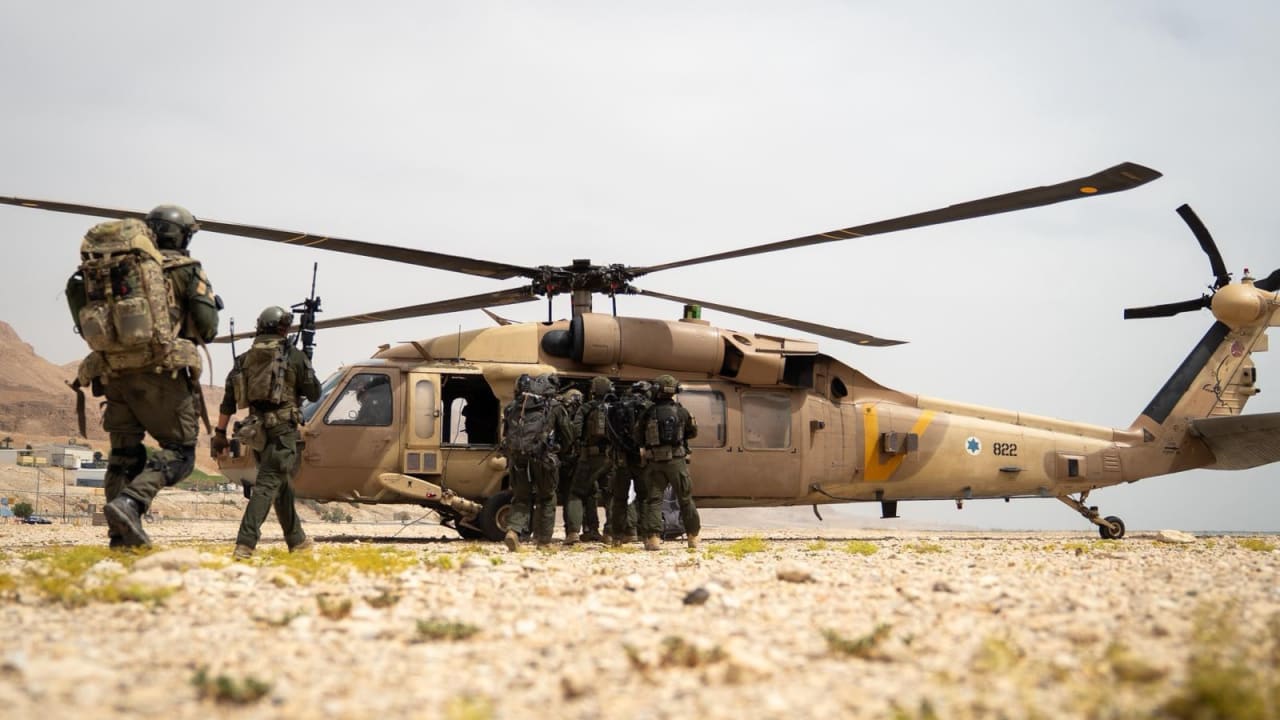
On Friday, May 15, the Israel Defense Forces conducted an exercise near the Dead Sea in the Jordan Valley. The IDF said, “The Chief of the General Staff exercise was held to assess the IDF’s readiness for a surprise attack scenario along the eastern border in the areas of the 96th and 80th Divisions.”
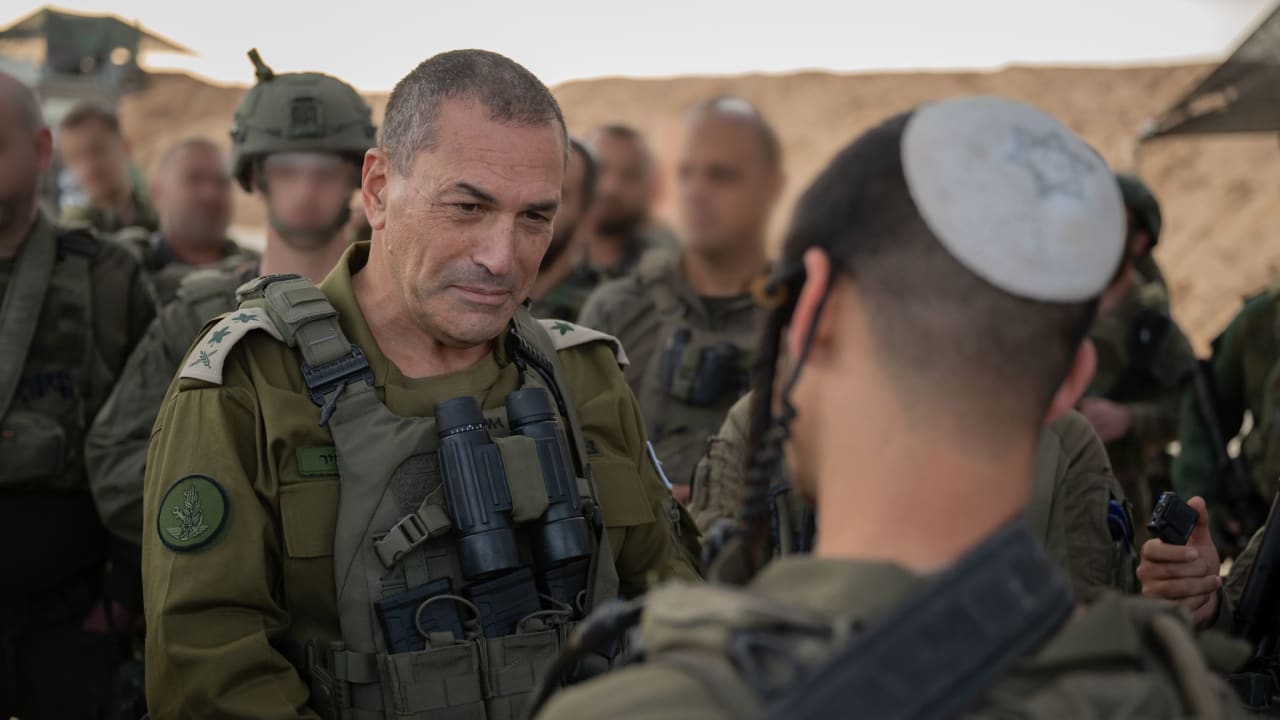
This is an important drill. Images the IDF circulated showed troops operating with helicopters and also crossing urban terrain near Ein Bokek, an area of hotels on the Dead Sea. Israel’s Chief of Staff Lt. Gen. Eyal Zamir, was shown meeting with officers and following the drill closely.
There are many lessons from this drill. Let’s consider the broader ramifications. First of all, the two units involved are important but also rarely get a lot of focus in the media. The 96th is a new division established in 2025. It was established as part of the lessons of October 7. It is supposed to provide a division-level element for the Jordan Valley, essentially meaning that units that had already been deployed there will now have a division to coordinate their operations. The Jordan Valley defenses had already been bolstered in 2016 with the establishment of the coed patrol battalion called Lions of the Jordan. This is one of several similar coed units for patrolling borders, along with the Caracal and Bardelas.
The IDF’s 80th Division dates from 1979 and today is a territorial division guarding the Egyptian border and the Eilat region, including the Arava. As such, if one combines the 80th and 96th areas of responsibility, this includes the whole Jordan Valley. Israel’s land border with the Kingdom of Jordan is around 300 miles long. This is a long border, and there are increasing threats here. One threat is similar to the one on the Egyptian border and includes increased weapons smuggling, such as through the use of drones to smuggle weapons.
The lesson of October 7 is that Israel had appeared to neglect some borders. Another issue is that smart “fences” don’t accomplish everything. Israel has been upgrading fences and other technology on all its borders over the years. This included completing a fence along the Egyptian border. This has been joined now with new improvements of fencing on the Lebanon and Syrian borders, as well as along the Jordan border. There’s even more to this improvement of Israel’s capabilities. Old forts that date from the 1960s have also been upgraded, Ynet noted earlier this year.
 IDF simulated Oct 7-like scenarios
What the IDF statement says about the recent drill is “during the exercise, various scenarios were simulated, including infiltrations into communities, responses to drone threats, and complex incidents near the Dead Sea.”
The IDF added that “the exercise included fighter jets and combat helicopters conducting dozens of aerial strikes within short timeframes, as well as the aerial deployment of special forces for immediate intervention in complex incidents within civilian areas. Israeli Air Force special forces also simulated a terrorist infiltration incident at a hotel in the area.” The concept is to design frameworks to deal with threats along the eastern border.
Lt. Gen. Zamir visited the site and spoke with the regional commanders, including Maj. Gen. Nadav Lotan, the head of the Ground Forces, and the head of Central Command Maj. Gen. Avi Bluth. The 80th Division commander, Brig. Gen. Israel Friedler and the 96th Division commander Brig. Gen. Oren Simcha were key to the drill. “During the visit, the Chief of the General Staff held a situational assessment, drilled the division’s troops who had been called up, and examined their preparedness for a variety of scenarios,” the IDF said.
Zamir added that “one of the main lessons taken from the October 7th massacre is the need for a high and constant level of readiness for a surprise attack on our borders, from the platoon level to the General Staff. This is what we are practicing here today – a General Staff exercise simulating defense against a wide-scale terrorist attack with complex scenarios in a challenging sector, with the mission of defending our borders and the residents of the area as our top priority.” He called this drill important and noted the lessons learned from the past. “A force capable of arriving quickly at a deadly scene can contain the incident in its initial stages and reduce its scope. We activated multi-domain reserve and standby troops, including aerial support and the deployment of special forces by air – all of this is what we are practicing today.”
He added, “This exercise includes forces from across the IDF’s units and branches, including many reservists who were called up in the middle of the night for a surprise exercise. I deeply appreciate your tremendous contribution and your repeated mobilization, time and again, in every sector.”
The message that Israel is sending is clear. It is operating on multiple fronts and is not neglecting any of its borders. In the north, the IDF is operating in Lebanon, and in Gaza, there are also operations. The same is true on the Syrian border. Israel has bolstered all these frontiers in recent years, such as establishing the new Mountains Brigade for the Hermon and Mount Dov. The brigade comes under 210th Division, which defends the Syrian border. This has improved Israel’s capabilities in the north.
As the Middle East changes, so is Israel adapting. With the conflict with Iran continuing to percolate, the eastern border with Jordan matters. Jordan is not a threat, but Iraqi militias, backed by Iran, have tried to threaten Israel in the past. As such, preparing all sorts of scenarios matters more than ever. The drill in the Jordan Valley illustrates how Israel is postured today in the Middle East.